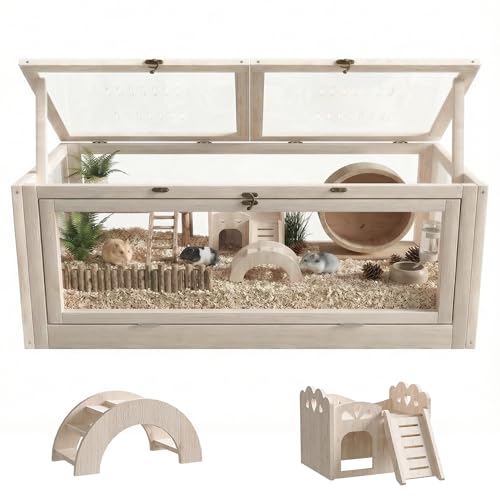
If you’ve ever watched your guinea pig freeze or hide when you pull out a spray bottle, you know the struggle. Many cleaning sprays, even natural ones, create airborne particles that can irritate a guinea pig’s delicate lungs. The good news is you can keep their cage spotless without a single squirt. Here’s exactly how to clean a guinea pig cage without spraying, using tools you likely already have at home.
Why Avoid Spraying in the First Place?
Guinea pigs have extremely sensitive respiratory systems. They can develop pneumonia or upper respiratory infections from strong fumes, aerosolized particles, or even just the sudden hiss of a spray bottle. This is especially true for long-haired breeds like Silkies, whose dense coats can trap moisture and bacteria. If you own a Silkie, you’ll want to pay extra attention to their temperature needs during cleaning, as dampness can quickly lead to chills. By ditching the spray, you eliminate airborne irritants and make cage cleaning a calmer, quieter experience for both of you.
Your No-Spray Cleaning Toolkit
Before you start, gather these items: a small bowl or cup for your cleaning solution, a microfiber cloth (two is better), a soft-bristled scrub brush (like a nail brush), a handheld vacuum or dustpan and brush, and a spray-free cleaning solution. The best DIY mix is one part white vinegar to three parts warm water in a bowl. No spray bottle needed. You’ll dip your cloth or brush into the bowl, wring it out well, and wipe surfaces directly. For stubborn spots, let the vinegar solution sit for a minute on a damp cloth before scrubbing.
Step-by-Step: Cage Cleaning Without a Spray
1. Remove Your Guinea Pig and Accessories
Place your piggy in a safe, enclosed playpen or a carrier with fresh hay and water. Take out all hideys, food bowls, water bottles, and bedding. If you have a Silkie, now is a great time to check their coat for debris or matting. You can learn more about how often to groom a Silkie guinea pig while they’re out of the cage. Set soiled fleece or paper bedding aside for washing or disposal.
2. Dry Vacuum or Sweep Debris
Use a handheld vacuum or a small dustpan to remove all loose hay, poop, and soiled bedding. This step is crucial because it prevents you from spreading mess around when you start wiping. Don’t use any liquid until the cage is completely free of dry debris.
3. Dip and Wipe All Hard Surfaces
Dip your microfiber cloth into the vinegar-water solution, wring it until it’s just damp (not dripping), and wipe down the cage base, bars, and any plastic or glass sides. For corners or crevices, use the soft brush dipped in the same solution. Rinse the cloth in plain water and do a final wipe to remove any vinegar residue. Because you’re not spraying, you have full control over how much moisture touches the cage.
4. Clean Accessories the Same Way
Wash hideys, tunnels, and food bowls using the same dip-and-wipe method. For wooden items, use a dry brush to remove debris, then a barely damp cloth. Never soak wood, as it can harbor mold. If your piggy uses a fabric bed or hammock, toss it in the laundry with unscented detergent. For plastic water bottles, use a bottle brush dipped in the vinegar solution, then rinse thoroughly.
5. Dry Everything Before Reassembling
This is the most important step. Use a dry microfiber cloth to wipe down every surface until it’s bone dry. Let the cage air out for 10 to 15 minutes. Guinea pigs can develop skin issues or respiratory problems if they sit on damp bedding or in a damp hidey. For Silkies, this is especially critical because their long fur can stay wet for hours. Check their cage size requirements to ensure they have enough dry space while the cleaned area airs out.
Place a small, dry microfiber cloth in one corner of the cage after cleaning. Guinea pigs often choose that spot as their new bathroom, making future spot-cleaning even easier.
Daily Spot Cleaning Without Spray
You don’t need a full cage clean every day. For daily maintenance, simply use a small handheld vacuum or a dustpan to scoop out wet spots and poop piles. Wipe down the water bottle spout and food bowl with a dry cloth or a damp paper towel. If you notice a sticky spot, dip a cloth in the vinegar solution, wring it out, and wipe just that area. This takes less than five minutes and keeps the cage fresh between deep cleans.
How Often Should You Deep Clean?
For most guinea pigs, a full no-spray deep clean once a week is enough. If you use fleece liners, you may need to wash them every three to four days. If you use paper bedding, a full change once a week is fine. Watch for signs that the cage needs more frequent cleaning, like a strong ammonia smell or your piggy sneezing. If you have a Silkie, pay extra attention to their health. Learn to recognize signs of illness in Silkie guinea pigs, as a dirty cage can worsen respiratory issues.
“A clean cage is the cheapest, most effective health insurance your guinea pig can have.”
What About Disinfecting?
If you need to disinfect (for example, after a sick piggy or a fungal outbreak), use a pet-safe disinfectant wipe or a diluted bleach solution applied with a cloth. Never spray. Mix one part bleach to ten parts water in a bowl, dip a cloth, wring it out, wipe the cage, then wipe again with plain water and dry thoroughly. Always let the cage air out for at least 30 minutes before putting your guinea pig back. If you’re unsure about any product, ask your vet for a safe alternative.
Final Thoughts on a Spray-Free Routine
Once you switch to the dip-and-wipe method, you’ll wonder why you ever used a spray bottle. It’s quieter, less stressful for your piggy, and actually more thorough because you’re physically wiping every surface. Your guinea pig will thank you with happy popcorning and a healthier life. Stick with this routine, and you’ll have a clean, fresh-smelling cage without a single squirt.