Fireworks might be fun for us, but for most dogs, they sound like the sky is falling. Your dog’s instinct is to flee, hide, or pace frantically, which can lead to injury or escape. That is where a crate becomes your best tool. When used correctly, a crate is not a cage, it is a safe, den-like refuge where your dog can wait out the chaos. Here is exactly how to crate your dog during fireworks so they feel secure, not trapped.
Start Long Before the First Boom: Condition the Crate as a Happy Place
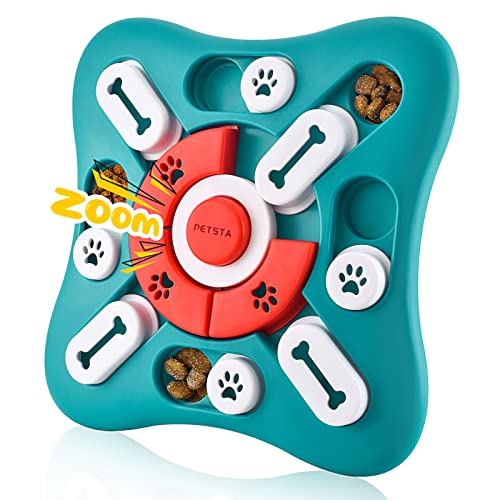
You cannot throw a dog into a crate when the fireworks start and expect them to be calm. The crate must already feel like a positive space. For weeks before any anticipated fireworks (like the Fourth of July or New Year’s Eve), feed your dog their meals inside the crate with the door open. Toss high-value treats in there randomly throughout the day. Make it the spot where good things happen. If you have a breed that thrives on mental stimulation, like an Australian Shepherd, you can even place a puzzle toy for Australian Shepherds inside the crate to keep their brain busy while they settle. The goal is that by the time the fireworks start, the crate is already your dog’s favorite room in the house.
Set Up the Crate for Maximum Comfort and Sound Dampening
Location matters. Do not put the crate in the middle of a room near windows. Move it to an interior room, like a bathroom, laundry room, or a quiet corner of your bedroom, away from outside noise. Drape a heavy blanket over the top and three sides of the crate, leaving the front open for airflow and visibility. This muffles sound and creates a cave-like feel. Inside, add a soft, washable bed or blanket that smells like you. If your dog tends to drool or pant heavily when stressed, consider using a raised or easy-to-clean surface. For larger breeds, like a Cane Corso, having the right gear matters, so check out tips on how to reduce neck strain with the best dog bowls for Cane Corsos for their post-fireworks water break, but for the crate itself, focus on comfort and sound absorption.
Create a Calming Soundtrack and Use White Noise
Even with a blanket over the crate, the low rumble of fireworks can still creep in. Counteract it with sound. Play a white noise machine, a fan, or a playlist of calming classical music or reggae (studies show dogs relax to reggae). You can also use a “Through a Dog’s Ear” album, which is specifically designed to reduce canine anxiety. Keep the volume at a level that masks the fireworks but is not so loud it startles your dog. Test this setup during a thunderstorm or a loud truck passing by to see how your dog responds.
Freeze a Kong or a sturdy chew toy filled with peanut butter (xylitol-free) or wet dog food the night before. When the fireworks start, give it to your dog inside the crate. The act of licking and chewing releases calming endorphins and keeps their focus on the treat, not the noise.
Introduce Your Dog to the Crate When the Fireworks Start
When the first boom hits, stay calm yourself. Dogs read your energy. Do not rush or act frantic. Open the crate door, toss a few treats inside, and let your dog choose to enter. If they refuse, do not force them. You can sit next to the open crate and lure them in gently with a high-value reward like chicken or cheese. Once they are inside, close the door quietly and sit beside the crate. Your presence is the most powerful calming tool. Talk in a low, happy voice or read aloud softly. If your dog is particularly noise-sensitive, you can also use a compression wrap like a ThunderShirt under their regular harness, but never leave a wrap on unsupervised for hours.
“A crate is not a punishment. It is a promise of safety when the world gets loud.”
Never Use the Crate as a Time-Out or Punishment
This rule is critical. If you ever use the crate to punish your dog for barking, chewing, or having an accident, they will associate it with negative feelings. During fireworks, they will then avoid the crate when they need it most. Keep the crate a strictly positive space. If your dog is anxious and you need to leave the house during fireworks (which is not ideal), do not crate them. Instead, leave them in a dog-proofed room. For families with multiple dogs, note that some dogs do better crated separately, while others prefer to be together. Know your dog’s personality. For example, if you have a breed that is known for being great with kids and other pets, like an Australian Shepherd, they may still need their own quiet crate away from the chaos. You can read more about their temperament in our guide on whether Australian Shepherds are good family dogs, but for fireworks, always prioritize individual comfort over group dynamics.
What to Do If Your Dog Still Panics in the Crate
Some dogs, especially those with severe noise phobia, may still try to escape the crate, injuring their teeth or paws on the bars. If you see signs of extreme panic, like excessive drooling, vomiting, or frantic clawing, let them out immediately. Do not scold them. Move to a different strategy: a windowless bathroom with a thick rug, or even a closet with pillows. You can also talk to your veterinarian about short-term anti-anxiety medication specifically for fireworks events. Never give your dog human medications like Benadryl without vet approval, as dosages and reactions vary wildly. For breeds prone to anxiety, like Cane Corsos, it is worth learning about their family compatibility in our article on whether Cane Corsos are good family dogs, but for immediate fireworks safety, a calm, quiet room with no crate may be the safer option.
The Morning After: Don’t Rush the Routine
After the fireworks end, your dog may still be on edge. Do not immediately open the crate and drag them out. Let them come out on their own. Offer water and a small meal, but do not be surprised if they skip breakfast. Give them a quiet walk in a familiar area, and avoid any loud noises like garbage trucks or construction. If they seem clingy or tired, that is normal. Let them rest. A few days of calm routine will reset their nervous system.