When your cat hisses, swats, or bites, it can feel personal, especially when it comes out of nowhere. But here’s the truth: cats don’t act out of spite. Aggression is a form of communication, and your cat is trying to tell you something important. Whether it’s fear, pain, overstimulation, or just a bad case of misdirected play energy, the fix starts with reading the signals. In this guide, you’ll learn the most common reasons cats lash out, how to respond in the moment, and how to prevent future flare-ups, all without resorting to punishment or fear.
First, Rule Out Pain and Health Issues
Before you assume your cat is just grumpy, take a hard look at their health. A cat in pain is a cat on edge. Dental disease, arthritis, urinary tract infections, and even skin allergies can make a normally sweet cat turn defensive. If your cat suddenly starts hissing when you touch a specific spot, or if they seem to be in a bad mood more often than not, a vet visit is the smart first move. Also, keep an eye on allergy-related discomfort, which can make cats irritable. For example, if your cat is constantly scratching or sneezing, check out our guides on signs of food allergies in cats and why your allergic cat might sneeze, because that kind of chronic irritation can absolutely lower their patience threshold. And remember, always ask your vet before trying any new treatment or diet change.
Understand the Different Types of Aggression
Not all aggression is the same, and treating every hiss like it’s the same problem will backfire. Here are the most common types you’ll run into:
- Fear aggression: This happens when your cat feels trapped or threatened. Ears flat, tail puffed, and a low growl are classic signs.
- Petting-induced aggression: Your cat loves a good chin scratch, but after a few minutes, they suddenly turn and bite. That’s overstimulation, not hatred.
- Play aggression: Common in kittens and young cats, this is when your cat treats your hands and feet like toys, especially if they were weaned early or never learned bite inhibition.
- Redirected aggression: Your cat is worked up by something they can’t reach, like a stray cat outside the window, and they take it out on you or another pet.
- Territorial aggression: This shows up when a new pet or person enters the home, and your cat feels their space is being invaded.
Once you know which type you’re dealing with, you can tailor your response. For example, a fearful cat needs space and time, while a play-aggressive cat needs more interactive toys and structured play sessions.
How to Respond in the Moment
When your cat is mid-hiss or about to strike, your reaction matters. The worst thing you can do is yell, hit, or physically punish them. That only confirms their fear and makes the aggression worse. Instead, try these steps:
- Stop moving. Freeze your hands and stay still. Movement can trigger their prey drive.
- Drop a distraction. Toss a toy or a pillow in the opposite direction to redirect their focus, then calmly walk away.
- Give them space. Leave the room and let them decompress. Don’t force interaction.
- Never corner them. If they’re scared, back away slowly and give them an escape route.
After the dust settles, don’t punish them later. Cats live in the moment, and a scolding after the fact does nothing but confuse them. Instead, focus on what triggered the outburst and how to avoid it next time.
If your cat gets aggressive during grooming or bathing, it might not be the bath itself, it’s the restraint. Cats hate feeling trapped. Try brushing them in short, positive sessions, and if allergies are part of the picture, check out our guide on how often to bathe a cat with allergies to find a routine that’s less stressful for both of you.
Prevent Play Aggression With Better Play
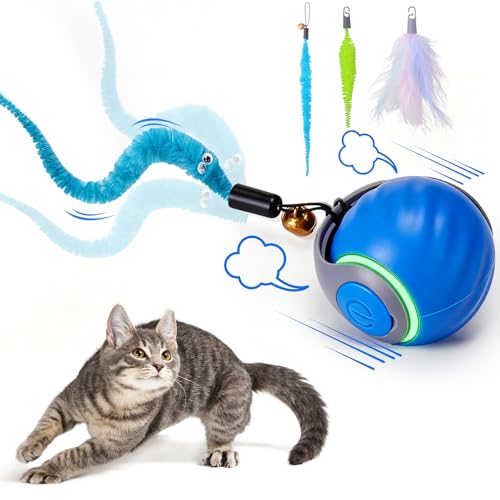
Most cats, especially indoor ones, have a ton of pent-up hunting energy. If you don’t give them an appropriate outlet, they’ll use your ankles as prey. The fix is simple: play with your cat like a predator, not a cuddly toy. Use wand toys, laser pointers, or feather teasers to mimic the hunt. Let them chase, pounce, and catch, then give them a treat or a meal right after. That completes the hunt cycle and leaves them satisfied. Aim for at least two 10 to 15 minute play sessions a day, ideally right before you want them to settle down for the night. And never use your hands or feet as toys, even when they’re kittens. That teaches them that human body parts are fair game.
Respect Their Boundaries During Petting
Petting-induced aggression is one of the most common complaints from cat owners. Your cat loves you, but they have a limit. Watch for the warning signs: tail twitching, ears flattening, skin rippling, or a sudden stiffening of the body. That’s your cue to stop. Instead of stroking them for long periods, try short, gentle pets on the head and chin, and always let them come to you. If they walk away, let them go. Respecting their boundaries builds trust, and trust is the antidote to aggression. Also, if your cat is sensitive to touch because of skin allergies or hairballs, that can make petting uncomfortable. Check out our guide on how often to brush a cat prone to hairballs to keep their coat healthy and reduce sensitivity.
Create a Safe, Stress-Free Home
Sometimes aggression is a symptom of an environment that’s too stressful. Cats thrive on routine and predictability. Make sure your cat has: a quiet hiding spot (like a cat tree or a box), multiple resources (food, water, litter boxes) spread out so they don’t feel competitive, and vertical space to climb and observe. If you have multiple cats, give them separate feeding stations and litter boxes to avoid territorial tension. And if you’ve recently moved or introduced a new pet, give your cat extra time to adjust. A calm environment is the foundation for a calm cat. If your cat’s allergies are adding to their discomfort, a stable diet can help, so check out our guide on hypoallergenic cat diet homemade food for ideas to discuss with your vet.
“A hiss is not a betrayal. It’s a boundary. Listen to it, and you’ll build a bond that lasts.”
When to Call in a Professional
If your cat’s aggression is severe, frequent, or escalating, don’t wait until someone gets hurt. Talk to your vet first to rule out medical causes, then consider working with a certified feline behaviorist or a force-free trainer. They can observe your cat’s behavior in person and create a tailored plan. Aggression is often fixable with patience and the right approach, but it’s okay to ask for help. You’re not failing your cat by seeking support, you’re being a responsible owner.