Living with a chatty cat can be endearing until the meowing becomes nonstop at 4 a.m. or during your Zoom calls. The instinct to shout back or squirt them with water is strong, but discipline in the traditional sense rarely works on cats. They do not connect punishment with their behavior the way a dog might. Instead, they learn that meowing gets a reaction from you, even if that reaction is negative. The real trick to quieting a noisy cat is to change what you do, not what they do. Here is how to discipline a cat from meowing too much while keeping your relationship strong and your home peaceful.
Rule Out a Medical Problem First
Before you try any behavioral changes, you need to make sure your cat is not in pain or distress. A sudden increase in meowing, especially in an older cat, can signal hyperthyroidism, kidney disease, or high blood pressure. If your cat is also pacing, hiding, or not eating, schedule a vet visit. For general digestive health that can affect mood and comfort, some owners find success with a daily supplement, which you can explore in our Cat Probiotic Supplement Guide: Top 5 Picks for 2026. Always ask your vet before adding anything new to their routine. Once you get the all-clear, you can move on to behavioral fixes.
Stop Rewarding the Meowing (Even With Attention)
Most excessive meowing is learned behavior. Your cat meows, you look at them, talk to them, feed them, or let them out of the bedroom. That is a reward. To discipline a cat from meowing too much, you have to break this cycle. The hardest part is the extinction burst: when you start ignoring them, they will meow louder and longer before they give up. You must hold strong. Do not make eye contact, do not talk, do not sigh dramatically. Wait for a moment of silence, even if it is just two seconds, then give them what they want (food, attention, or access). This teaches them that quiet gets results, not noise.
Meet Their Core Needs on a Schedule
Cats often meow because they are hungry, bored, or lonely. If you feed them at random times, they will learn to pester you for food. Set a strict feeding schedule and stick to it. If your cat eats from bowls on the floor and seems to meow right after eating, they might have whisker fatigue or neck strain. Switching to a raised option can make mealtime more comfortable. Check out our Need Elevated Cat Bowls? Our 5 Top Picks for ergonomic designs that reduce stress. Also make sure they have enough enrichment: puzzle feeders, window perches, and daily play sessions that mimic hunting can drain their energy and reduce the urge to vocalize.
Some cats open their mouths as if meowing but no sound comes out. This is often a sign of affection or a learned trick that gets a big reaction from humans. If your cat does this, they are not being quiet on purpose, they just know you respond better to the silent version.
Use Calming Aids as a Gentle Reset
If your cat is meowing out of anxiety or stress, discipline will not help. You need to lower their baseline stress first. Calming collars that release pheromones can take the edge off for some cats. They are not a cure-all, but they can make your cat more receptive to new routines. For a list of vet-recommended options, see our 5 Best Cat Calming Collars (2026): Top Picks Compared. Pair the collar with a consistent routine and plenty of hiding spots. A calm cat is far less likely to scream for attention.
Redirect With Play, Not Punishment
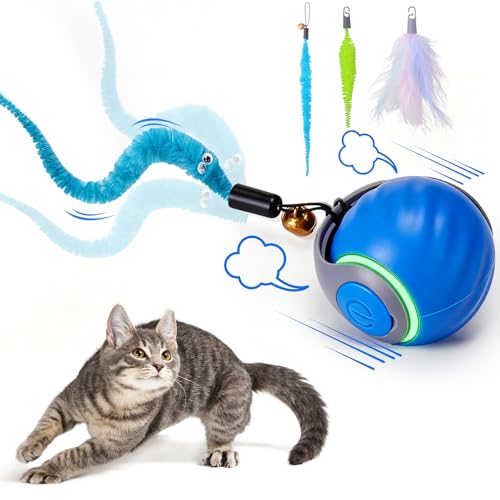
Never yell, hit, or spray your cat. Those actions damage trust and can increase anxiety, which often leads to even more meowing. Instead, redirect the energy. If your cat starts meowing at you while you are working, stand up and grab a wand toy. Play with them for five minutes until they are panting lightly. Then give them a small treat and return to your desk. Over time, they will learn that quiet play gets your attention, not loud meowing. This works especially well for cats that meow because they are bored or want to hunt.
Manage Nighttime Meowing Without Getting Out of Bed
Nighttime yowling is one of the most common complaints. The solution is to make the night boring for your cat. Have a big play session right before your bedtime, then feed them a meal. A full belly and tired muscles encourage sleep. If they still meow at 3 a.m., do not get up. Do not feed them, do not pet them, do not even shush them. Use earplugs if you have to. It can take a week or two, but they will eventually learn that night is for sleeping. If your cat is very persistent, a timed feeder that dispenses a small snack at 4 a.m. can break the association between you and the food reward.
“The quietest cats are the ones who have learned that silence is the only thing that gets them what they want.”
When to Consider a Professional
If you have tried ignoring the meowing, enriching their environment, and sticking to a schedule for several weeks with no improvement, it might be time to call in a certified cat behavior consultant. Some cats have deeply ingrained habits or underlying anxiety that requires a tailored plan. A professional can also help you rule out subtle health issues your vet might have missed. Remember, disciplining a cat from meowing too much is never about punishment, it is about changing the environment and your reactions to guide them toward quieter behaviors.