Seeing your cat’s ribs or feeling that bony spine under your hand can be genuinely worrying. You’re not alone, many owners face this. A skinny cat isn’t just about looks, it can signal an underlying issue or simply mean they need a different approach to mealtime. Before you start piling on the kibble, let’s get to the root of why they’re thin and, more importantly, how to help them gain weight safely and healthily. This guide is all about practical, gentle steps you can take at home, always with your vet as the first stop.
First, Rule Out Medical Causes
Your very first move is a vet visit. Weight loss in cats can be a symptom of hyperthyroidism, diabetes, kidney disease, or intestinal parasites. A simple checkup and blood work can give you peace of mind. If your cat has a clean bill of health, then you can focus on nutrition and environment. Remember, if your cat is also vomiting or has diarrhea, that’s a red flag. For instance, if hairballs are causing frequent vomiting, that can interfere with nutrient absorption. You can learn more about that connection in our guide on whether hairballs cause vomiting in cats, but a vet should always be your first call.
Switch To High Calorie, High Protein Food
Not all cat food is created equal. Look for a food that is specifically formulated for weight gain or for kittens, as these are dense in calories and protein. Check the label for a high protein percentage (over 40% on a dry matter basis is a good start) and a moderate fat content. Wet food is often better because it has more moisture and is more palatable, which can entice a picky eater. You can also mix a little warm water into their wet food to make it smell stronger and more appealing. If you’re considering a homemade diet, be careful, it’s easy to miss essential nutrients. If allergies are a concern, a hypoallergenic diet might be needed, and you can explore homemade hypoallergenic cat food options with your vet’s guidance to ensure it’s balanced.
Offer Small, Frequent Meals
Instead of two big meals, try offering four to six smaller meals throughout the day. Cats have small stomachs, and a large portion can be overwhelming. By offering small amounts, you’re more likely to get them to eat everything. Use a timer to feed them every few hours, or invest in an automatic feeder that dispenses small portions. This also mimics their natural hunting and grazing behavior, which can reduce stress and encourage eating. If your cat is a grazer, leave a small bowl of dry food out, but make sure you’re monitoring how much they actually eat in a day.
Enhance The Flavor And Texture
Sometimes it’s not about the food itself, but how it tastes and feels. Warm the food slightly to release the aroma. Add a spoonful of plain, unsalted chicken broth (no onions or garlic) or a little tuna juice to make it irresistible. You can also sprinkle a small amount of nutritional yeast or a commercial appetite stimulant (like FortiFlora) on top. These are safe and often work wonders. If your cat is on a special diet due to allergies, you might need to be more creative. Check out our guide on signs of food allergies in cats to see if that’s a factor, but always introduce new toppers gradually to avoid stomach upset.
Add Healthy Fats And Supplements
Fats are the most calorie-dense nutrient. Adding a small amount of salmon oil or fish oil to your cat’s food is a great way to boost calories and omega-3 fatty acids, which also help with skin and coat health. Start with a quarter teaspoon and work up to a teaspoon per day, depending on your cat’s size. You can also offer a tiny bit of coconut oil, but go slow as it can cause diarrhea. Another option is a high-calorie gel supplement, available at pet stores, which you can give directly or mix into food. Always check with your vet before adding supplements, especially if your cat has any health conditions.
Reduce Stress And Encourage Activity
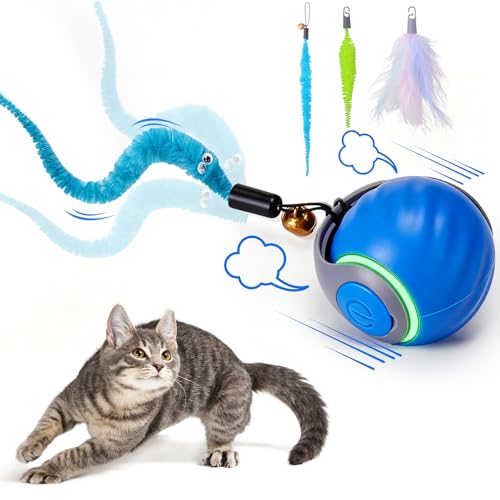
A stressed cat won’t eat well. Make sure they have a quiet, safe place to eat, away from loud noises, other pets, and heavy foot traffic. Provide multiple food and water stations around the house. Also, gentle play can stimulate their appetite. Use a wand toy or a laser pointer to get them moving for a few minutes before mealtime. This mimics the hunt, which is followed by eating. If your cat is a senior or has mobility issues, keep their food and water easily accessible. And don’t forget, a comfortable, warm bed can help them feel secure, which indirectly supports a healthy appetite.
Did you know that a cat’s sense of smell is about 14 times stronger than a human’s? That’s why warming up their food can make such a big difference, it intensifies the aroma and makes it far more appealing.
Track Progress And Be Patient
Weigh your cat weekly, at the same time of day, using a kitchen scale if they’re small. A healthy weight gain is about 0.5 to 1% of their body weight per week. For a 10-pound cat, that’s roughly 1 to 2 ounces. Keep a simple log to see trends. If you’re not seeing progress after two weeks, or if your cat is losing more weight, go back to your vet. Also, watch for any signs of digestive upset, like vomiting or diarrhea. If your cat is prone to hairballs, regular brushing can help prevent them from taking up space in the stomach. You can read more about how often to brush a cat prone to hairballs to keep their digestive tract clear.
You don’t need to see a chubby cat, you need to see a healthy cat. Slow and steady wins the race.
Remember, every cat is different. What works for one might not work for another. The key is to be observant, patient, and consistent. You’re doing a great job by seeking out this information. With a little time and the right approach, you’ll see your feline friend fill out and get back to their playful, healthy self. And if you’re ever in doubt, a quick call to your vet is always the best next step.