Bringing your cat home after surgery is a relief, but when they turn their nose up at food, worry sets in fast. You know they need energy to heal, but the anesthesia, pain meds, and stress can kill their appetite. The good news is that most cats will eat again within 24 to 48 hours. Your job is to make it as easy and tempting as possible. Here is a practical, gentle guide to help your cat start eating again after surgery, with tips that respect their recovery and your peace of mind.
1. Start With Strong Smells and Warm Food
Cats rely heavily on their sense of smell to trigger appetite. After surgery, their nose might be dulled by anesthesia or pain. The easiest trick is to warm their wet food slightly (to about body temperature, never hot) in the microwave for a few seconds. Stir it well to avoid hot spots. The warmth releases aroma. Try fish-based foods like tuna or salmon, or plain, unseasoned baby food (meat only, no onion or garlic). If your cat is on a prescription diet, ask your vet if you can mix in a tiny bit of something smelly to encourage the first few bites. For cats who need a more comfortable eating position, consider using elevated cat bowls to reduce neck strain, especially if they had abdominal or orthopedic surgery.
2. Reduce Stress and Create a Safe Eating Zone
After surgery, your cat is vulnerable. They might associate the vet visit, the carrier, and the car ride with fear. Place their food bowl in a quiet, low-traffic area away from other pets, children, and loud noises. Use a soft blanket or towel under the bowl to absorb sounds. If your cat is particularly anxious, a cat calming collar can release gentle pheromones that help them feel secure. Do not hover over them while they eat. Give them space. Sometimes, just sitting on the floor nearby and reading a book (ignoring them) can make them feel safe enough to approach the bowl.
“A cat that feels safe is a cat that will eat. Your calm presence is the best medicine you can offer.”
3. Offer Small, Frequent Meals by Hand
Your cat may feel too weak or nauseous to eat a full portion. Instead of leaving a big bowl out, offer a teaspoon-sized amount of food on your finger or a flat dish. Hand-feeding can be incredibly reassuring. It reminds them that food is safe and that you are there. If they lick a little, praise them softly. Wait 30 minutes and offer another small amount. This method also lets you monitor exactly how much they are eating. If they won’t take food from your hand, try dabbing a tiny bit of the juice on their lips or paw. They will often lick it off, which can trigger the appetite reflex.
4. Address Nausea and Pain (With Your Vet’s Guidance)
Nausea is a common side effect of anesthesia and some pain medications. If your cat is drooling, lip-smacking, or hiding, they might feel sick. Never give human anti-nausea drugs. Ask your vet about a safe anti-nausea medication or an appetite stimulant (like mirtazapine) that can be given at home. Also, ensure pain is managed. A cat in pain will not eat. If your cat seems hunched, tense, or avoids being touched, call your vet. Sometimes, adjusting the pain medication dose or timing can make all the difference. Gut health also plays a role. A cat probiotic supplement (with vet approval) can help settle their stomach and encourage regular digestion, which often helps appetite return.
Cats have fewer taste buds than dogs or humans (about 470 vs. 1,700). They cannot taste sweetness at all. That is why strong smells and texture matter more than flavor when tempting a picky eater after surgery.
5. When to Worry and What to Do Next
If your cat has not eaten anything for 24 hours after surgery, or if they are not drinking water, call your vet. Dehydration is a bigger immediate risk than starvation. You can check for dehydration by gently pinching the skin between their shoulder blades. If it does not snap back quickly, they need fluids. If they are eating a little but not enough, you can try syringing a small amount of water or broth (low sodium, no onion or garlic) into the side of their mouth, but go slowly to avoid aspiration. Always prioritize your vet’s advice over any online guide. Every surgery and every cat is different.
6. Keep Their Environment Comfortable and Familiar
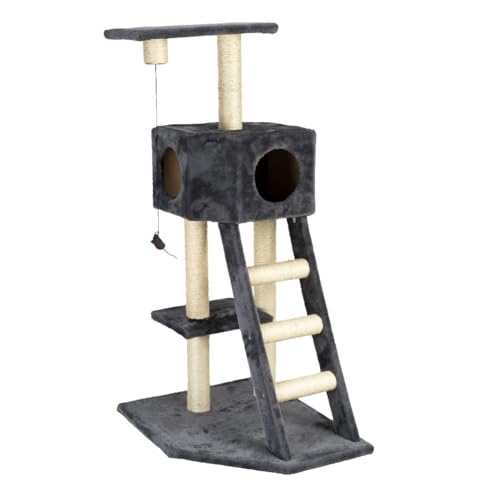
Recovery is not just about food. A comfortable, warm, and familiar space helps reduce stress hormones that suppress appetite. Make sure their bed is in a quiet corner, away from drafts. If your cat likes to be up high, provide a soft cat tree or a padded shelf they can access without jumping (use steps or ramps). Avoid forcing them to move too much. Gentle grooming with a soft brush can be soothing, but skip the cat nail grinder until they are fully healed. Focus on comfort, patience, and small victories. One lick, one bite, one purr. That is progress.