Hearing your dog growl can be unsettling, but it is important to understand that growling is a form of communication. Your dog is telling you they are uncomfortable, scared, or need space. Punishing a growl often makes things worse, because it removes the warning and can lead to a bite without notice. Instead, the goal is to listen, identify the root cause, and make changes so your dog feels safe enough to stop growling. Here is how to do that, step by step.
Why Do Dogs Growl? Understanding the Warning
Growling is almost always a response to a perceived threat or stress. Common triggers include resource guarding (protecting food, toys, or a bed), fear of people or other animals, pain from an injury, or feeling cornered. For example, a dog that growls when you approach their food bowl is not being dominant, they are anxious about losing their meal. Similarly, a dog that growls when a stranger reaches for their collar may be anticipating pain. Before you can stop the growling, you need to know the cause. If the growling is new or accompanied by other signs like limping, loss of appetite, or whimpering, schedule a vet visit to rule out pain. A dog that hurts will often growl to prevent being touched.
Do Not Punish the Growl: Why That Backfires
It is tempting to scold or correct a growling dog, but this is a mistake. When you punish a growl, you teach the dog that growling is dangerous, so next time they may skip the warning and go straight to a snap or bite. A growl is a gift: it tells you exactly what your dog is feeling. Instead of punishing, thank the growl for the information and then change the situation. For instance, if your dog growls when you reach for their bone, stop reaching. Toss a high-value treat nearby and let them relax. This builds trust and shows your dog that you respect their signals. Over time, they will learn they do not need to growl because you will listen.
Identify and Remove Triggers
Once you know what causes the growl, you can manage the environment to reduce stress. If your dog growls at other dogs on walks, cross the street or turn around to create distance. If they growl when children approach their crate, move the crate to a quiet room or teach kids to stay away. For dogs that guard high-value items, avoid taking things away. Instead, trade them for something better, like a piece of chicken or a favorite toy. For breeds with strong guarding instincts, like a Cane Corso, understanding their temperament is key. You can read more about whether Cane Corsos are good family dogs to see if their natural protectiveness fits your home. Similarly, an Australian Shepherd may growl out of herding frustration or overstimulation. Check out whether Australian Shepherds are good family dogs to better understand their needs. Managing triggers is the fastest way to reduce growling episodes.
If your dog growls when you approach their food bowl, try feeding them in a separate room or using a slow feeder bowl. This reduces anxiety around meals and makes eating a calmer experience. For fast eaters, slow feed dog bowls for Australian Shepherds can also help prevent gulping and discomfort.
Build Trust Through Counterconditioning
Counterconditioning means changing your dog’s emotional response to a trigger. For example, if your dog growls when you touch their paws, start by just looking at their paw and then giving a treat. Next, touch their paw briefly and treat. Gradually increase the touch as long as your dog stays relaxed. This process takes time, but it rewires the brain from “that thing is scary” to “that thing predicts treats.” Always move at your dog’s pace. If they growl again, you have moved too fast, so take a step back. This method works for almost any trigger, whether it is nail trims, strangers, or other dogs. Consistency is more important than speed.
“A growl is not a problem to fix, it is a message to hear. Listen, and your dog will trust you more.”
When to Seek Professional Help
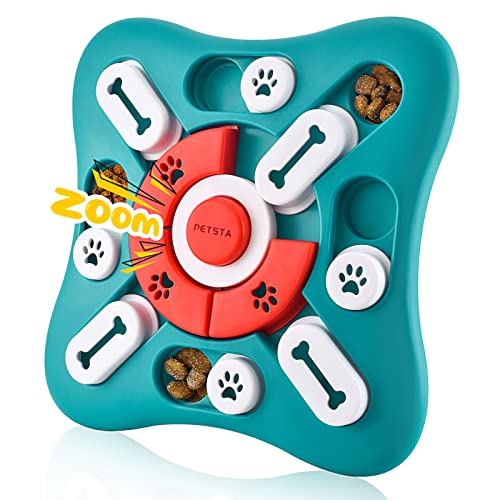
Some growling situations are too risky or complex to handle alone. If your dog growls at family members, especially children, or if the growling escalates to snapping or biting, work with a certified behavior consultant or a force-free trainer. Avoid trainers who use shock collars or prong collars for growling, as these increase fear and aggression. Also, if your dog is in pain, a veterinarian can help with medication or therapy. For dogs with high energy or intelligence, like Australian Shepherds, boredom can cause frustration growls. Providing mental stimulation, such as puzzle toys for Australian Shepherds, can channel that energy positively and reduce stress. Remember, growling is a symptom, not the root issue. Address the cause, and the growling will fade.
Prevent Growling with a Calm Routine
A tired and mentally satisfied dog is less likely to growl. Make sure your dog gets daily exercise, playtime, and rest. Create a predictable routine for meals, walks, and bedtime. Dogs feel safer when they know what to expect. Also, give your dog a safe space, like a crate or a quiet corner, where they can retreat without being bothered. Never force interaction when your dog is in their safe zone. Finally, use positive reinforcement for calm behavior. If your dog stays relaxed when a visitor arrives, reward them with treats and praise. Over time, your dog will learn that calmness pays off better than growling. If you are feeding a puppy or a high-energy breed, proper nutrition also supports mood stability. For Australian Shepherd puppies, choosing the right food matters, so consider best dog food for Australian Shepherd puppies to support their growth and temperament. Patience and consistency are your best tools.