You’re walking through the living room, and suddenly a tiny land shark has latched onto your pant leg. Your favorite jeans are getting stretched, your patience is wearing thin, and you’re wondering if this is just how life is now. It’s not. Puppy biting clothes is one of the most common complaints from new owners, and it’s also one of the most fixable. The good news is that your puppy isn’t being mean, they’re being a puppy. They explore with their mouths, they’re teething, and they’re learning how to interact with the world. Your job is to teach them that your clothes are not toys, and that there are much better things to chew on. Let’s get into exactly how to do that.
Why Do Puppies Bite Clothes in the First Place?
Before you can stop the behavior, it helps to understand why it’s happening. Puppies bite clothes for several reasons, and often a combination of them. First, your clothes move. That flapping pant leg or dangling sleeve looks like a toy or prey to a young dog. Second, puppies are teething between 12 and 24 weeks, and chewing on fabric can feel good on sore gums. Third, they might be seeking attention. Even negative attention (you yelling, pushing them away) is still attention to a puppy. Fourth, they could be overstimulated or overtired. A puppy who is past their awake window will often get mouthy and grabby with anything, including your clothes. Recognizing the trigger is the first step to solving it.
Stop Moving, Stop Reacting
One of the most effective techniques is to become a statue. When your puppy grabs your pant leg or sleeve, freeze. Do not move your feet, do not pull away, and do not yank your arm. Movement triggers their chase instinct, making them clamp down harder. Instead, stand completely still and look away. Say nothing. Wait for them to let go, even if it’s just for a second. The moment they release, calmly step away or redirect them to a toy. This teaches them that biting clothes makes the fun stop. If they keep coming back, you can use a leash indoors to create distance. A good dog leash can help you manage your puppy’s access to you during training sessions without having to physically pull them off your clothes.
Always Have a Legal Alternative in Hand
Your puppy needs to learn what they can bite, not just what they can’t. Keep a toy within arm’s reach at all times, especially when you’re walking around the house. As soon as you feel teeth on your clothes, offer the toy. If they take it, praise them. If they ignore it and go back for your jeans, go back to being a statue. The key is consistency. Over time, they’ll learn that clothes are boring and toys are rewarding. For persistent chewers, consider a tough, durable option like the KONG Extreme, which can be stuffed with treats or peanut butter to hold their attention longer. Rotate toys to keep them interesting, and don’t leave the same ones out all day.
Try this: When your puppy bites your clothes, freeze and say ‘uh oh’ in a calm voice. Then immediately present a high-value toy or chew. If they take it, give them lots of quiet praise. This teaches them that letting go of your clothes leads to something better, not punishment.
Use the Power of a Crate or Playpen for Breaks
Sometimes your puppy is just overtired, and no amount of redirecting will help. A puppy who is biting clothes aggressively, especially when they’re also zooming around, is likely overstimulated. This is your cue for a nap. Gently lead them to their crate or a playpen with a safe chew toy. Let them settle down. Most puppies need 18 to 20 hours of sleep a day, and a tired puppy is a bitey puppy. A quality dog crate can be a lifesaver here, giving your puppy a calm space to decompress and helping them learn to self-soothe. Never use the crate as punishment, but as a peaceful reset button.
Teach Bite Inhibition Through Gentle Feedback
Bite inhibition is the skill of controlling the force of a bite, and it’s something puppies learn from their littermates and mother. When a puppy bites too hard during play, the other puppy yelps and stops playing. You can mimic this. If your puppy’s teeth touch your skin through your clothes, let out a high-pitched ‘ow’ or ‘eep’ in a normal tone (not scary), then stop moving and ignore them for 10 to 15 seconds. This teaches them that hard bites end the fun. If they bite your clothes but not your skin, you can still use a gentler version of this. The goal is not to scare them, but to communicate that mouthiness has consequences. Over time, they learn to be gentle, and eventually to stop biting clothes altogether.
“Your puppy isn’t trying to ruin your favorite sweater, they’re trying to figure out how the world works. Be their teacher, not their opponent.”
Manage Your Environment to Set Them Up for Success
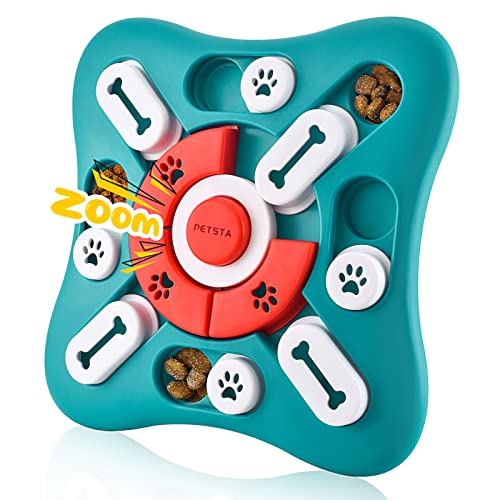
Prevention is just as important as training. While you’re working on this behavior, make it harder for your puppy to practice biting clothes. Avoid wearing loose, flowy pants or long dangling sleeves during training sessions. Keep your hands in your pockets or cross your arms when walking past them. If they’re particularly fixated on your pants, you can even wear a pair of cheap sweatpants over your regular pants as a training tool. Also, make sure your puppy is getting enough physical exercise and mental stimulation. A bored puppy will find trouble, and your clothes are an easy target. Puzzle toys, short training sessions, and appropriate chews can tire them out mentally, making them less likely to seek out your wardrobe.
When to Seek Help
Most puppies grow out of clothes-biting by around 5 to 6 months old with consistent training. But if your puppy is still biting clothes aggressively past 6 months, or if the biting is accompanied by growling, stiff body language, or hard bites that break skin, it’s a good idea to consult a professional positive-reinforcement trainer or your veterinarian. They can rule out any underlying pain or anxiety issues and give you a tailored plan. Remember, this is a normal phase, but it’s one you can absolutely get through with patience and consistency.