If your dog is scratching like crazy and you spot those tiny dark specks, you are dealing with fleas. It is stressful, but you can get rid of them fast if you act smartly. Fleas multiply quickly, so a wait-and-see approach will just make things worse. The key is to treat your dog, your home, and your yard all at once. Here is exactly what to do, step by step, to stop the itch and get your house back to normal.
Step 1: Give Your Dog a Flea Bath Immediately
A warm bath with a gentle, flea-killing shampoo is your first move. Use a shampoo made for dogs that contains natural oils like peppermint or tea tree oil, or one with a mild insecticide like pyrethrin (check with your vet first, especially for puppies or sensitive breeds). Lather your dog from neck to tail, avoiding the eyes and ears, and let it sit for the time listed on the bottle (usually 5 to 10 minutes). This kills adult fleas on contact. Rinse thoroughly and towel dry. For dogs that hate baths, you can also use a flea comb dipped in soapy water to manually remove fleas from the coat, but a bath is faster for heavy infestations.
Step 2: Use a Fast-Acting Topical or Oral Treatment
Baths only kill fleas that are on your dog right now. To stop new fleas from jumping on, you need a long-lasting treatment. Talk to your vet about oral medications like spinosad or afoxolaner, which start killing fleas within 30 minutes to a few hours. Topical spot-on treatments (like those with fipronil or selamectin) work within 24 hours and last a month. Apply the topical to the skin at the base of your dog’s neck so they cannot lick it. These treatments are safe for most dogs, but always follow the weight guidelines. If your dog has a sensitive stomach, ask your vet about chews that are gentle on digestion.
Step 3: Wash Everything Your Dog Touches
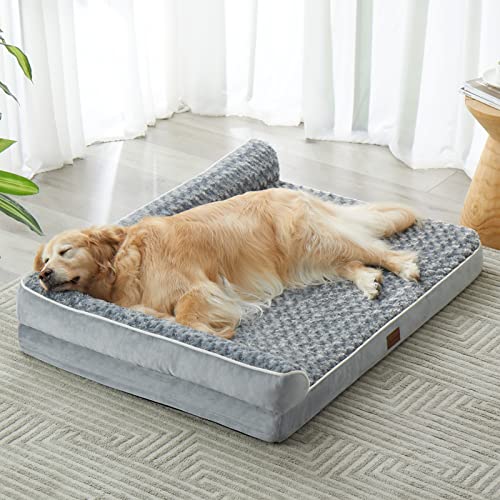
Fleas love to hide in fabrics. Strip all bedding, including your dog’s bed, your own sheets, blankets, and any throw rugs or couch covers. Wash them in hot water (at least 130 degrees Fahrenheit) with a regular detergent. The heat kills fleas, eggs, and larvae. If your dog has a favorite cooling mat or plush toy, wash it too or toss it in the dryer on high heat for 30 minutes. For items that cannot be washed, like a large dog bed frame, vacuum them thoroughly and then spray with a pet-safe flea spray. Repeat this step every few days for at least two weeks to catch newly hatched fleas.
Step 4: Vacuum Like Crazy (Then Vacuum Again)
Vacuuming is your secret weapon. Flea eggs and larvae fall off your dog into carpets, cracks, and under furniture. Vacuum every room your dog goes into, focusing on edges, under furniture, and along baseboards. Pay special attention to areas where your dog sleeps or rests. After each vacuuming session, immediately remove the vacuum bag or empty the canister into a sealed plastic bag and throw it in the outdoor trash. If you leave the bag inside, fleas can crawl back out. For hardwood or tile floors, use a microfiber mop to pick up eggs and then wash the mop head in hot water. Do this daily for at least a week, then every other day for two more weeks.
Fleas can survive in your vacuum cleaner for months if you do not empty it. Always take the bag or canister outside immediately after vacuuming. This simple habit can prevent a re-infestation.
Step 5: Treat Your Yard and Outdoor Spaces
If your dog goes outside, fleas are likely waiting there. Focus on shady, damp areas where fleas thrive, like under bushes, along fences, and near the doghouse. Use a pet-safe outdoor spray or granular treatment that contains an insect growth regulator (IGR) like pyriproxyfen. This stops flea eggs from hatching. Mow your lawn short and remove leaf litter to let sunlight dry out the soil, which fleas hate. If you have a dog run or a favorite potty spot, treat that area weekly during flea season. For dogs that spend a lot of time on a cooling mat on the patio, make sure the mat is washable and the area around it is treated.
Step 6: Use an Indoor Flea Spray or Fogger (Carefully)
For heavy infestations, you may need to treat your home with an indoor flea spray or fogger. Choose a product that contains an IGR and a mild adulticide, and that is labeled safe for pets once dry. Follow the instructions exactly: cover fish tanks, remove food bowls, and keep pets and people out of the room for the time specified. After the treatment, vacuum again to remove dead fleas and eggs. A fogger alone will not solve the problem if you skip washing and vacuuming first. Think of it as a boost, not a replacement for cleaning. If you have a breed that is sensitive to chemicals, like some herding dogs, ask your vet before using any fogger.
“The fastest way to win a flea war is to attack every stage of their life cycle at once, not just the adults you can see.”
Step 7: Prevent Future Infestations
Once the fleas are gone, keep them away. Continue using a monthly flea preventive year-round, even in winter, because fleas can survive indoors. Brush your dog daily with a flea comb to catch any stray fleas early. Keep your home clean and vacuum weekly. If you have multiple pets, treat all of them at the same time, even if only one shows signs of fleas. For dogs that love to explore outside, consider adding a flea collar as extra protection. If your dog is a breed prone to allergies, like an Australian Shepherd, watch for signs of flea allergy dermatitis (red, irritated skin) and ask your vet about antihistamines or medicated shampoos. A little prevention now saves you a lot of scratching later.
Remember, if your dog has a heavy infestation, is very young or old, or has a health condition, always consult your veterinarian before starting any treatment. They can recommend the safest and fastest option for your specific dog. With these steps, you can get rid of fleas fast and keep your home comfortable again.