You love your long haired cat’s luxurious coat, but the feeling is not mutual when the brush comes out. Maybe they hiss, swat, or simply vanish under the bed. It is frustrating, especially when you know that regular grooming is the only thing standing between your cat and a painful mat. The good news is that you can groom a long haired cat that hates brushing without turning your living room into a wrestling ring. It takes patience, the right tools, and a whole lot of bribery.
Start With the Right Brush and the Right Vibe
If your cat already hates brushing, the first mistake is grabbing a hard metal slicker brush. Instead, choose something that feels more like a gentle massage. A soft bristle brush or a rubber grooming mitt is far less intimidating. Let your cat sniff it first, then gently rub it along their cheeks and chin where they already enjoy being pet. Never chase them with the brush. Keep the brush in a spot they already love, like near their favorite bed, and just let them get used to its presence. When they finally rub against it on their own, give them a high value treat. This changes the association from “scary tool” to “treat dispenser.”
Short and Sweet Sessions Beat Long Battles
You do not need to brush your cat’s entire body in one go. In fact, that is a surefire way to make them hate grooming even more. Aim for two to five minute sessions, once or twice a day. Focus on one area, like the back or the chest, and stop while they are still calm. If they start to fidget or growl, stop immediately. You want them to learn that grooming ends on a good note, not when they are stressed. Over time, you can gradually extend the session. This approach is especially important for cats prone to hairballs that can cause vomiting, as regular short brushing removes loose fur before your cat swallows it.
“The secret to grooming a cat that hates it is to make every brush stroke feel like a compliment, not a chore.”
Use Distractions and Positive Reinforcement
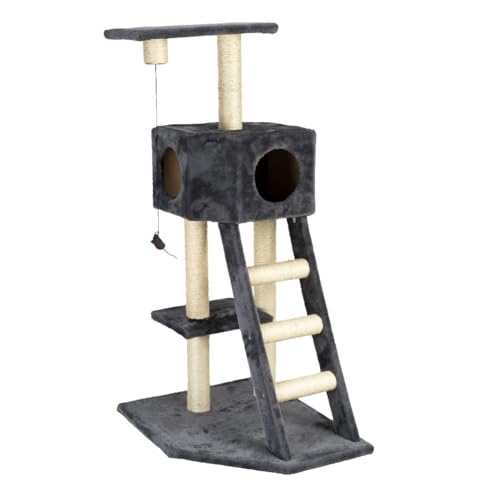
Sometimes the best way to brush a reluctant cat is to make them forget you are doing it. Spread a little wet food or a lickable treat on a plate or a mat. While they are busy licking, you can gently brush their back, sides, and tail. You can also try brushing them right after a meal when they are sleepy and relaxed. Another trick is to brush them while they are perched on a high window sill or cat tree, where they already feel safe. If your cat has signs of food allergies, be sure to use a treat that is safe for their diet. The goal is to pair brushing with something your cat already loves, so their brain starts to associate the brush with pleasure, not pain.
A cat’s fur can actually sense touch and pressure, which is why some cats are extra sensitive to brushing. Using a wide-toothed comb first can help desensitize their skin over time, making future grooming sessions much easier.
Prevent Mats Before They Start With a Strategic Routine
Mats are painful and make grooming even harder. The best way to avoid them is to focus on the high-friction areas: behind the ears, under the armpits, and along the belly. These spots mat first. Use your fingers to gently separate any tangles before they tighten. If you find a small mat, you can carefully work it apart with a dematting comb, but never yank. If a mat is too tight and close to the skin, it is safer to have a professional groomer or your vet remove it. For cats that absolutely will not tolerate brushing, consider a sanitary trim on the rear and belly to keep those areas clean and mat-free. And if you are wondering how often to brush a cat prone to hairballs, daily short sessions are ideal, but even a few times a week makes a big difference.
When Brushing Is Impossible, Try Alternative Methods
Some cats will never tolerate a brush, no matter how gentle you are. That is okay. You have other options. A rubber grooming glove can feel like petting, and many cats actually enjoy it. You can also use a damp paper towel or a soft microfiber cloth to wipe away loose fur. Another low-stress method is to let your cat rub against a corrugated cardboard brush that is mounted on a wall or corner. They groom themselves without even realizing it. For long haired cats with skin sensitivities or allergies, regular gentle grooming can also help you spot issues early. If your cat has allergies, you might also want to check this quick guide on life expectancy of a cat with allergies to understand how overall care affects their health. Remember, a clean coat is not just about looks, it is about comfort.
Know When to Call in the Pros or the Vet
If your cat is severely matted, aggressive during grooming, or has skin that is red, sore, or flaky, it is time to stop and ask for help. A professional groomer who specializes in cats can handle difficult cases safely, often with minimal stress. If your cat has underlying health issues like allergies or arthritis that make grooming painful, your vet can help. For example, if your cat is constantly itchy and overgrooming, it could be related to diet. You can read more about hypoallergenic cat diet homemade food options to discuss with your vet. The bottom line is that your cat’s comfort comes first. If brushing causes more stress than it prevents, find a gentler path. Your long haired cat may never love being brushed, but with patience and creativity, you can keep their coat healthy and your bond strong.