Finding a nest of baby rabbits in your yard can be startling. You might see tiny, motionless bunnies tucked into a shallow depression in the grass and immediately worry they have been abandoned. Your first instinct may be to scoop them up and rush them to a rescue, but in most cases, the best thing you can do is nothing at all. Mother rabbits are secretive by nature and only return to the nest a few times a day, usually around dusk and dawn, to avoid drawing the attention of predators. Unless a baby is clearly injured or in immediate danger, the kindest action is to leave the nest exactly where it is and give the mother space to do her job.
How To Confirm the Nest Is Active
The easiest way to check if a mother rabbit is still caring for her babies is to perform a simple string test. Place two pieces of string or small twigs in an X pattern loosely over the nest in the late afternoon. Check the nest the next morning. If the string has been moved or disturbed, the mother has visited. You can also gently touch the babies’ bellies; if they feel warm and full, they have been fed recently. A healthy nest will have babies that are plump, warm, and sleeping quietly. If the string is undisturbed for 24 hours and the babies look thin, cold, or have visible blue-gray skin (indicating dehydration), then you may need to contact a licensed wildlife rehabilitator.
When To Step In (And When Not To)
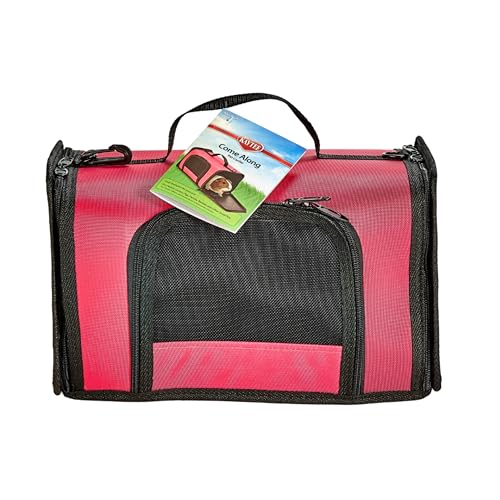
It is a common myth that a mother rabbit will reject her babies if a human has touched them. In reality, rabbits are not strong smellers and will not abandon their young over human scent. However, that does not mean you should handle them unnecessarily. Only intervene if you see obvious signs of distress: a baby that is bleeding, has a visible injury, is covered in ants or flies, or is crying out persistently. If you find a single baby outside the nest, you can gently place it back inside using gloved hands. If you have a pet dog or cat that has discovered the nest, you should cover the nest with a laundry basket or small wire cage during the day to keep predators out while still allowing the mother to slip through at night. For safe transport to a vet or rehabber, you will want a secure carrier; check our guide to Rabbit Carriers That Lower Vet Stress: 5 Top Picks for options that keep small wild rabbits calm and contained during an emergency trip.
Never feed a wild baby rabbit anything, especially cow’s milk or commercial rabbit pellets. Their digestive systems are extremely delicate and require specific gut flora that only their mother’s milk provides. Feeding the wrong formula can cause fatal bloat or diarrhea. If you suspect a baby needs food, leave that to a trained wildlife rehabilitator.
How To Protect the Nest From Lawn Mowers and Pets
If the nest is in an area you need to mow, mark a clear perimeter around it with flags or a ring of stones so you do not accidentally run over it. Keep your dog on a leash and your cat indoors for the three to four weeks it takes for the babies to leave the nest on their own. During this time, the babies will begin to venture out of the nest at around two to three weeks old, looking like tiny, fully-furred versions of adults. They are still dependent on their mother for another week or so but will start nibbling on grass and clover. If you have a domestic rabbit at home, you might be tempted to bring a wild baby inside, but wild rabbits carry different parasites and bacteria and can stress your pet. Instead, set up a safe outdoor enclosure for observation if needed, and consider looking at Rabbit exercise pens: 5 top reviewed picks 2026 for ideas on creating a temporary, secure zone away from lawn equipment.
What Baby Rabbits Look Like at Each Stage
Knowing what healthy development looks like can help you avoid unnecessary rescues. At birth, baby rabbits are hairless, blind, and about the size of a human thumb. By day seven, they develop a thin coat of fur and begin to look like tiny velvet potatoes. At two weeks, they have a full coat of fur and their eyes open, and they start to hop a little. By three weeks, they are the size of a tennis ball, fully furred, and eating solid food on their own. This is the stage where people often mistakenly think a baby is orphaned because it is hopping around alone. In reality, that rabbit is simply weaning and exploring. Unless it is injured, leave it be. If you want to provide a safe space for a weaning wild rabbit to hide from predators while it gains strength, a simple cardboard box with an entrance hole works well, but for a more durable option, check out the 5 Best Rabbit Hideouts Reviewed: Top Picks for 2026 for inspiration on sturdy, natural-looking shelters.
“A wild rabbit’s best chance at survival is a mother who knows exactly what she is doing, not a human who means well.”
How To Create a Safe Zone Without Over-Handling
If the nest is in a high-traffic area like a garden bed or near a busy walkway, you can build a simple barrier. Use a large cardboard box with a hole cut in the side that is just big enough for the mother to enter (about five inches in diameter). Place it over the nest and weigh it down with a rock. This keeps out cats, dogs, and curious children while still allowing the mother access. Do not use plastic bins or anything that traps heat. If temperatures are very hot, you can place a shallow dish of water nearby (not inside the nest) so the mother can drink, but do not put water directly with the babies as they can chill quickly. For hot summer days, you can also place a frozen water bottle wrapped in a towel near the nest to provide a cool spot, but never directly on the babies. If you are caring for domestic rabbits at home and want to learn more about keeping them comfortable in warm weather, our Buyer’s Guide: 5 Best Rabbit Cooling Mats (2026) offers great options for indoor pets, though wild nests should always be left as natural as possible.
When To Call a Wildlife Rehabilitator
You should contact a licensed rehabilitator if you find a baby that is clearly orphaned (string test shows no mother visit for 24 hours and babies are cold and thin), if the mother has been killed (you find her dead nearby), or if a baby is injured, covered in fly eggs, or being attacked by ants. Do not try to raise the babies yourself. Wild rabbits have very specific dietary and medical needs, and they are highly prone to stress-induced heart failure from handling. A rehabilitator has the right formula, incubators, and experience to give them a real chance. While you wait for help, keep the babies in a dark, quiet box lined with a soft cloth and place it on a heating pad set to low, with the box only half on the pad so they can move away from the heat if needed. Do not offer any food or water.