Bringing home a new parakeet is exciting, but it can also be stressful for your feathered friend. These intelligent little birds are prey animals, so their first instinct is to flee or hide when they feel threatened. If your parakeet is cowering in a corner, flapping frantically, or biting when you approach, don’t take it personally. It’s not being mean, it’s being scared. The good news is that with time, patience, and the right approach, you can help your parakeet feel safe and even enjoy your company. Here’s exactly how to handle a scared parakeet, step by step, from the first day home to the first time it steps onto your finger.
Understand Why Your Parakeet Is Scared
Before you can help your parakeet, you need to understand what it’s going through. Parakeets are naturally cautious. In the wild, they are constantly watching for predators, so sudden movements, loud noises, or a giant hand reaching into their cage triggers a panic response. Your parakeet isn’t scared of you personally, it’s scared of the size, speed, and unpredictability of a human. This is especially true if it was hand-fed but not handled regularly, or if it came from a pet store where it had little human interaction. Knowing this helps you approach every interaction with empathy instead of frustration. If you’re wondering about the general temperament of parakeets, you might find it helpful to read about whether ringneck parakeets are good pets, as many of the same principles apply to their smaller cousins.
Start With a Calm, Predictable Environment
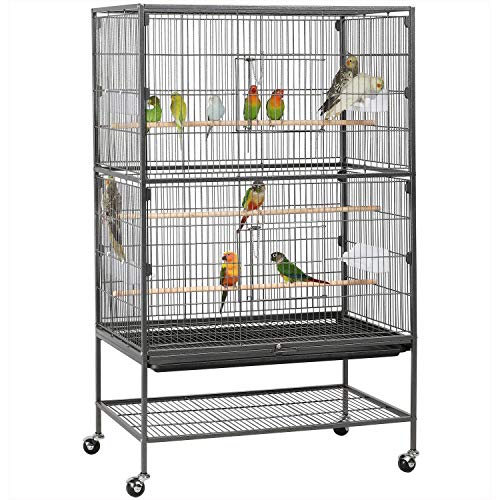
Your first job is to make your parakeet’s cage a safe haven. Place the cage in a corner of a room where there’s not too much foot traffic, but where the bird can still see you going about your day. Avoid putting it near loud appliances, televisions, or windows where outside movement might startle it. Cover the back and one side of the cage with a light cloth to give it a sense of security, but leave the front open so it can watch you. Speak to your parakeet in a soft, low voice every time you pass by. Say its name, or just say “hello, pretty bird” in a gentle tone. This helps your parakeet associate your voice with safety, not danger. Also, make sure the cage has a few toys and perches, but don’t overcrowd it. A scared bird needs clear flight paths and hiding spots. If you’re setting up a new cage, checking the ringneck parakeet cage size requirements can give you a good idea of what your bird needs to feel comfortable, even if you have a budgie.
Move Slowly and Respect Its Space
One of the biggest mistakes new owners make is moving too fast. When you approach the cage, do it slowly and deliberately. Don’t walk up quickly, don’t wave your hands, and don’t try to touch the bird right away. Instead, stand a few feet away and just talk to it for a few minutes. Over the next few days, gradually move closer. Watch your parakeet’s body language. If it fluffs up, backs away, or starts panting, you’re too close. Back off and give it more space. The goal is to let your parakeet get used to your presence without feeling threatened. You can also try offering a treat through the bars, like a small piece of millet or a tiny bit of apple. This teaches your bird that your hands bring good things, not just scary grabs.
Use Treats to Build Positive Associations
Food is the fastest way to a parakeet’s heart. Once your parakeet is comfortable with you standing near the cage, start offering treats from your hand. Hold a piece of millet or a sunflower seed through the cage bars, and just wait. Don’t push it toward the bird, just let it come to you. The first time it takes a treat from your fingers, that’s a huge win. Celebrate silently and keep doing it every day. After a week or so, open the cage door and offer the treat inside the doorway. Let your parakeet come to you, never reach in and grab it. This is the foundation of trust. If your parakeet is still very nervous, you might also want to learn about why parakeets bite, because biting is often a fear response, and understanding it can help you avoid triggering it.
Introduce Your Hand Inside the Cage Gently
Once your parakeet is happily taking treats from your hand at the cage door, you can start placing your hand inside the cage, but not to grab. Just rest your hand on a perch near the bird, with a treat in your palm. Let the parakeet step onto your hand if it wants to. If it doesn’t, that’s okay. Just hold still for a few minutes, then slowly remove your hand. Do this several times a day. The key is to make your hand a neutral, boring object that happens to bring treats. Never chase the bird with your hand, and never grab it, even if it tries to fly away. That will set you back weeks. If your parakeet is particularly flighty, you might want to work on training techniques that build trust, as the same methods of positive reinforcement apply.
Teach Your Parakeet to Step Up
When your parakeet is comfortable perching on your hand inside the cage, you can teach it the “step up” command. Place your index finger just below its chest, against its legs, and gently press upward. Say “step up” in a calm voice. Most parakeets will instinctively step onto your finger to balance. If it doesn’t, don’t push. Just try again later. Once it steps up, reward it with a treat and lots of praise. Keep sessions short, just a few minutes at a time, and always end on a positive note. If your parakeet ever bites, don’t pull away quickly, as that can make it worse. Instead, gently blow on its face or say “no” in a firm but calm voice, then put it back in the cage. Remember, biting is usually fear, not aggression. If you want to understand more about this behavior, check out this guide on why your parakeet bites.
Patience is not just a virtue when it comes to parakeets, it’s the only way to earn their trust.
Know When to Back Off and Give It a Break
There will be days when your parakeet seems more scared than usual. Maybe it’s molting, maybe it didn’t sleep well, or maybe it’s just having an off day. Respect that. If your parakeet is trembling, hiding, or screaming, stop the training session and give it space. Cover the cage partially and let it rest. Pushing a scared bird only makes it more scared. Also, be aware that a suddenly scared parakeet might be showing signs of illness. If your bird is lethargic, fluffed up all the time, or has changes in droppings, it’s worth reading up on signs of illness in parakeets and consulting your vet. It’s always better to be safe.
Parakeets have a natural fear of the color red, which is why many bird toys avoid it. If your parakeet seems extra scared of your red shirt or nail polish, that might be why. Try wearing softer colors during training sessions.
Handling a scared parakeet is a test of your patience, but the reward is a bird that trusts you completely. Remember, every parakeet is different. Some might take a few days, others a few months. The key is to move at your bird’s pace, not yours. With time, your parakeet will learn that you are its safe place, and that bond is worth every minute of waiting.