When you lose a pet, your home feels emptier, and your heart aches. But you are not the only one who misses them. Cats form deep bonds with their housemates, whether they are feline or human. If your cat is grieving, you might notice them searching rooms, crying at night, or losing interest in food. This is normal. Grief in cats is real, and your cat needs you now more than ever. Here is how to help a grieving cat, with patience, love, and a few practical steps.
Recognize the Signs of Grief in Cats
Cats don’t grieve in obvious ways. Some become clingy, others hide. Common signs include changes in appetite, excessive vocalization, lethargy, or even aggression. Your cat might sleep in the deceased pet’s favorite spot or stare at the door waiting for them. These behaviors are your cat’s way of processing loss. It’s important not to force them out of it. Instead, observe and offer comfort. If your cat stops eating for more than 24 hours, or shows signs of illness, ask your vet for advice. Grief can weaken the immune system, so keep an eye on their health.
Keep Routines as Normal as Possible
Cats thrive on predictability. When a companion dies, their world feels shaken. Keeping feeding times, play sessions, and bedtime rituals the same gives your cat a sense of security. If you usually feed them at 7 AM, do that. If you have a nightly play session with a feather toy, continue it. This consistency tells your cat that life is still safe. If your cat has allergies, you might notice they sneeze more when stressed. In that case, check our guide on why allergic cats sneeze to see if stress is a trigger. But don’t change their diet or routine without a vet’s input.
Offer Extra Comfort, But Let Them Set the Pace
Some cats want to be held all day after a loss. Others need space. Follow your cat’s lead. If they come to you, offer gentle pets and a soft voice. If they hide under the bed, let them be. You can sit near them and talk quietly, letting them know you’re there. A warm, cozy bed can be a safe haven. Place a soft blanket or a piece of your clothing in their favorite hiding spot. This gives them your scent, which is calming. If your cat is prone to hairballs and you’re brushing them more to comfort them, remember that how often to brush a cat prone to hairballs matters, so keep it gentle and regular.
Use a pheromone diffuser like Feliway in the room where your cat spends the most time. It releases calming synthetic pheromones that can ease anxiety. It’s not a cure, but it can help your cat feel more relaxed during this stressful time.
Maintain Their Appetite with Tempting Food
A grieving cat might lose interest in food. This can be dangerous, as cats can develop hepatic lipidosis if they don’t eat for a few days. If your cat is eating less, try warming their food slightly to enhance the aroma. Offer small, frequent meals. You can also try a different texture, like pate instead of chunks. If your cat has a history of food allergies, be careful when introducing new foods. Check our guide on signs of food allergies in cats so you know what to watch for. If your cat refuses food for more than 24 hours, call your vet immediately. They might recommend an appetite stimulant or a special diet.
Provide Extra Play and Mental Stimulation
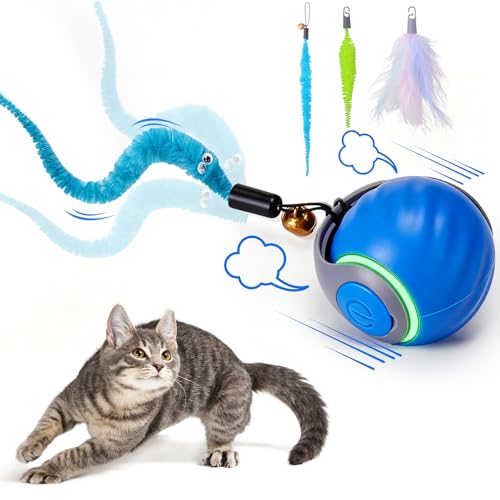
Grief can make a cat lethargic, but gentle play can lift their spirits. Try interactive toys that mimic prey, like a wand with a feather or a laser pointer. Even a few minutes a day can distract them from their sadness. You can also set up a bird feeder outside a window for entertainment. Puzzle feeders that dispense treats can engage their brain and encourage them to eat. If your cat is older or less active, a simple cardboard box with a blanket can be a fun hideout. Play also helps burn off stress hormones, which is good for their physical health. Just don’t force it. If your cat isn’t interested, try again later.
Consider a New Companion, But Only If You’re Ready
Many people wonder if getting another cat will help their grieving cat. Sometimes it does, but it can also add stress. Cats are territorial, and introducing a new cat too soon can cause more anxiety. Wait until your cat has adjusted to the loss, which may take weeks or months. If you decide to adopt, choose a cat with a compatible personality. A young, playful cat might annoy a senior cat who just lost their best friend. Instead, focus on giving your current cat all the love and attention they need. Your cat will let you know when they’re ready for a new friend, often by showing renewed interest in social interaction.
“Grief is love with nowhere to go. Your cat feels it too, but with your patience, they can heal.”
Take Care of Yourself, Too
You and your cat are grieving together. Your emotions affect them. If you’re crying or stressed, your cat may pick up on that and feel more anxious. It’s okay to grieve, but try to maintain calm moments for your cat. Talk to them, tell them you miss their friend too. Your cat understands your tone even if not your words. And don’t forget to take care of your own health. Eat well, sleep, and reach out to friends or a support group. When you feel stronger, your cat will too. If you notice your cat’s grief isn’t improving after a few months, or if they develop new behaviors like excessive grooming or litter box issues, consult your vet. They can rule out medical problems and may suggest a behaviorist.
Helping a grieving cat is about being present, patient, and gentle. There is no timeline for healing. Your cat will grieve in their own way, and with your love, they will find their way back to joy. Remember, you are their anchor. Just being there, every day, is the greatest gift you can give.