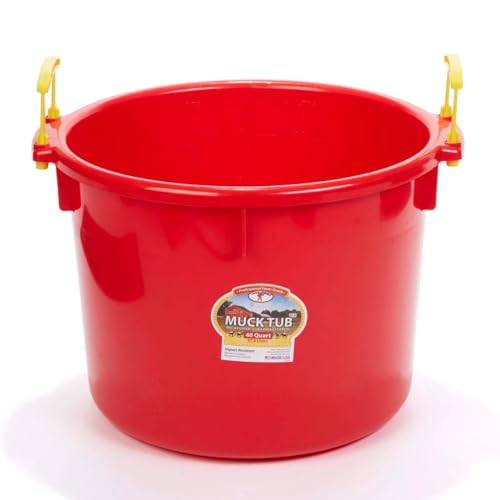
Feed forage first and add hard feed only if the horse needs more than forage provides. Introduce it slowly, keep meals small and frequent, choose a feed to suit the workload, and always provide plenty of fibre.
Forage first
Most horses meet most of their needs from good forage. Before adding hard feed, ask whether the horse genuinely needs it, based on its condition and workload. A good doer in light work often needs only a balancer for vitamins and minerals, not bagged feed.
Add slowly
When hard feed is needed, introduce it gradually over one to two weeks so the gut adjusts, exactly as with any feed change. Starting a large hard feed suddenly risks colic and digestive upset, so build up the amount step by step.
Small and frequent
A horse’s stomach is small, so split hard feed into several small meals rather than one big one. Small, frequent feeds are digested better and are safer, and they suit the horse’s natural trickle-feeding design far better than a single large bucket.
Choose the right feed
Match the feed to the workload and temperament, favouring fibre and controlled energy over high cereals for most horses. Keep sugar and starch low for good doers and those prone to laminitis or ulcers. A balancer or supplement covers vitamins and minerals when hard feed is light.
Keep fibre high
Whatever hard feed you use, forage and fibre should remain the foundation of the diet. Never let hard feed displace forage, and always feed with, or shortly after, plenty of fibre to keep the gut healthy and reduce the risk of ulcers and colic.