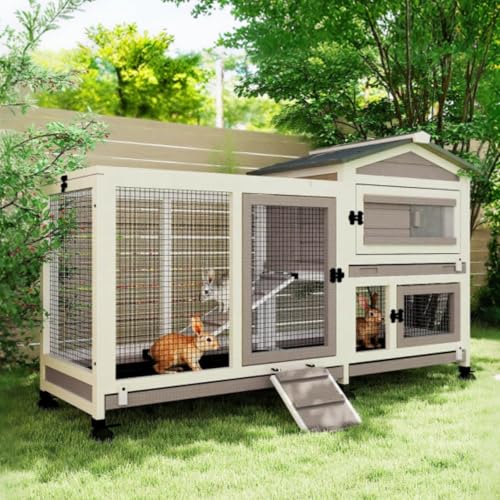
Bringing a second guinea pig home is exciting, but the first meeting can be nerve-wracking. Guinea pigs are social animals, but they are also territorial. Rushing the introduction often leads to fights, stress, and a rocky start. The key is to let them get used to each other’s scent and presence before they ever share a cage. This guide walks you through a safe, proven method so your two pigs can become best buddies without the drama.
Prepare The Right Environment Before The First Meeting
Before you even bring the new pig home, make sure you have a proper setup. You need two separate cages placed side by side so they can see, hear, and smell each other without any physical contact. This is called the “neighbor” phase and it should last at least 48 to 72 hours. Use a top 5 guinea pig cage setup for each pig so they each have enough space to retreat and feel secure. During this time, swap their bedding and hide houses daily so they get used to each other’s scent. A chew-proof hideout for your guinea pig is especially helpful here because it gives each pig a safe, private spot to observe the other from a distance.
Choose A Neutral Space For The First Face-To-Face
Never introduce two guinea pigs in a cage that one of them already considers home. That is a recipe for a fight. Instead, pick a neutral area like a playpen in the middle of the living room, a bathtub with a towel on the bottom, or a freshly cleaned section of floor. Make sure there are no lingering smells from either pig. Place two separate piles of hay, two water bottles, and a couple of 2026 guinea pig forage boxes and toys expert picks to distract them. The toys give them something positive to focus on instead of each other.
Watch Their Body Language Closely
During the first meeting, sit quietly nearby and observe. Some rumbling, nose sniffing, and even a little chasing is normal. You might hear teeth chattering or see one pig raise its head high , that is a dominance display, not a fight. A little rumble strutting (a slow, waddling walk with a low rumble) is also typical. However, if you see a full-on fight with biting, tumbling, or if blood is drawn, separate them immediately with a towel or a dustpan, never your bare hands. Most pigs will work out their hierarchy within 15 to 30 minutes. If they settle down and start eating or exploring near each other, that is a great sign.
Guinea pigs have a “popcorn” jump they do when they are happy. If you see one or both pigs popcorning during or after the introduction, it is a clear sign they are feeling comfortable and playful with each other.
Gradually Move To Shared Cage Time
After a few successful floor dates (usually 3 to 5 sessions over a week), you can try moving them into a shared cage. But do not just toss them in. Clean the entire cage thoroughly so it smells neutral. Use fresh bedding, and set up two of everything: two guinea pig feeding bowls, two water bottles, and two hide houses. This prevents resource guarding. Place the hide houses at opposite ends so each pig can have its own escape route. If they start fighting again, go back to the neighbor phase for another few days. Patience here is everything.
“A slow introduction is the difference between a bonded pair and a stressed pair. Let them set the pace.”
What To Do If They Do Not Get Along
Sometimes, despite your best efforts, two guinea pigs just do not click. This is more common with two sows (females) than with a boar and a sow, but it can happen with any pairing. If you see persistent chasing, biting, or one pig constantly hiding and not eating, separate them permanently. You can try again after a week of side-by-side living, but if it still fails, accept that they need to be housed separately. In that case, make sure each has its own spacious cage and plenty of enrichment. You can still let them have supervised floor time together if they tolerate each other without fighting.
Long-Term Bonding Tips For A Happy Pair
Once your guinea pigs are living together peacefully, reinforce their bond with shared positive experiences. Give them floor time together every day, offer a pile of fresh veggies in a single spot so they eat side by side, and keep their environment clean and spacious. A cramped cage is one of the biggest causes of conflict. Also, make sure you have a guinea pig grooming comb and kit on hand to keep their coats healthy, because grooming each other is a bonding behavior. If you ever need to separate them for a vet visit or a bath, reintroduce them using the same neutral space method. A bonded pair can live happily together for years with the right care.