If you’re seeing your fish act a little off, or your test kit keeps showing a pH that’s higher than your species prefer, you’re probably wondering how to lower pH in aquarium naturally without reaching for harsh chemical drops. You’re not alone. Many hobbyists face the same frustration when tap water comes out at 8.0 or higher, while their tetras, angelfish, or discus want something closer to 6.5. The good news is that you have several safe, natural options that work steadily and gently. Let’s walk through them together, so you can create a stable, comfortable environment for your underwater family.
Why pH Drops Naturally (and Why You Shouldn’t Rush It)
Fish are far more tolerant of a stable pH than a fluctuating one. A sudden swing from 7.8 to 6.8 can send fish into shock, even if the new number is closer to their ideal. That’s why any natural method you choose should be introduced gradually, over a week or more. The goal is to mimic what happens in the wild: leaves fall, wood rots, and organic matter breaks down, releasing tannic and humic acids that gently lower pH. You’re essentially recreating a blackwater biotope, just on a smaller scale.
1. Add Indian Almond Leaves or Other Tannin-Rich Botanicals
Indian almond leaves (also called Catappa leaves) are a classic choice for lowering pH naturally. As they decompose, they release tannins that tint your water a light tea color and slowly drop the pH. They also have mild antibacterial properties, which many keepers appreciate. You can add one leaf per 10 gallons, and replace it every two to three weeks as it breaks down. Alder cones, oak leaves, and beech leaves work similarly. Just make sure any leaves you collect yourself are free of pesticides and fully dried before adding them.
2. Use Driftwood as a Natural Acidifier
Driftwood, especially pieces like Malaysian driftwood or bogwood, does double duty: it looks great and leaches tannins that lower pH. The effect is gradual, which is perfect for avoiding stress. But not all driftwood is equal. Some pieces release tannins for months, others for only a few weeks. If you want a more controlled approach, you can boil the wood first to speed up the initial tannin release and also sterilize it. Just be aware that driftwood can also lower your hardness, which is fine for soft-water fish but not ideal for rift lake cichlids. If you’re also managing nitrate levels, pairing driftwood with a good aquarium nitrate remover can keep your water quality in check while you adjust pH.
3. Peat Moss: The Old-School Powerhouse
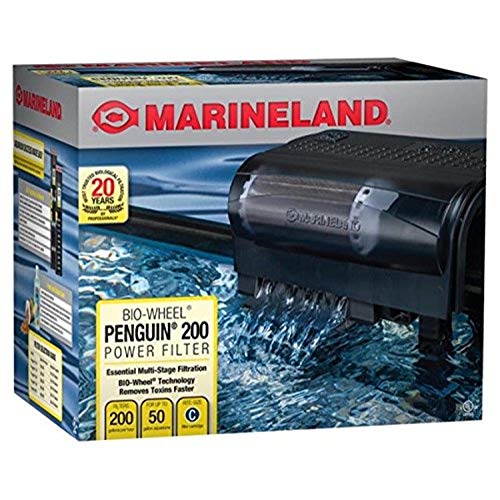
Peat moss is one of the most effective natural pH reducers available. You can place it in a mesh bag and put it in your filter, or let it float in the tank. As it breaks down, it releases humic acids that lower both pH and hardness. The effect can be strong, so start with a small handful for a 20-gallon tank and monitor daily. Peat can also slightly darken your water, which many fish love. Just make sure you buy aquarium-safe peat, not garden peat that may contain fertilizers or additives. If you’re worried about keeping your filter media clean while using peat, check out the best aquarium filter sponges and media to keep your biological filtration efficient.
4. Reverse Osmosis Water: The Precision Method
If your tap water is very hard and alkaline, natural additives may not be enough. In that case, mixing in reverse osmosis (RO) water is the most reliable natural method. RO water has almost no minerals, so it has a neutral pH around 7.0. By blending RO water with your tap water, you can gradually lower both pH and hardness to your target. For example, a 50/50 mix might bring your pH from 8.2 down to 7.4. Always remineralize with a product designed for aquariums, because pure RO water lacks essential electrolytes. This method requires a bit of equipment, but it’s worth it for serious keepers. And if you’re already using a controller to monitor your tank, you can automate the process with a top rated aquarium controller to keep pH stable around the clock.
5. Increase CO2 Naturally (Yes, Your Plants Help)
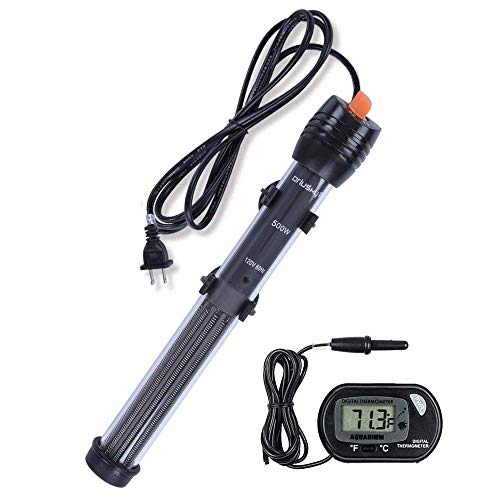
Live plants consume CO2 during the day and release it at night, which can lower pH slightly. But for a more noticeable effect, you can add a DIY yeast CO2 reactor. The CO2 dissolves into the water and forms carbonic acid, which gently lowers pH. This is a favorite method for planted tank enthusiasts because it also boosts plant growth. Just be careful not to drop pH too fast. A drop of 0.2 to 0.3 per day is safe. If you’re new to CO2, start with a simple yeast bottle setup and test daily. You’ll also want to keep your water temperature stable, because warmer water holds less CO2. A reliable aquarium heater can help maintain a consistent temperature, which in turn helps your CO2 levels stay predictable.
Did you know that peat moss can lower pH by up to 1.0 point over a few weeks? That’s why it’s a favorite for breeding soft-water fish like tetras and apistos. Just remember to soak it first to release the initial burst of tannins.
6. Test, Adjust, and Be Patient
No matter which method you choose, testing is non-negotiable. Get a reliable pH test kit and check daily during the adjustment period. Also test your general hardness (GH) and carbonate hardness (KH), because they buffer pH. If your KH is high, your pH will resist change. In that case, you may need to combine methods, like using both driftwood and RO water. The key is to move slowly. A drop of 0.2 to 0.3 per day is safe for most fish. If you see your fish gasping at the surface, acting lethargic, or flashing against decorations, stop adjusting and do a small water change with your regular water to stabilize things.
“The fastest way to kill a fish is a sudden change. The fastest way to keep a fish happy is a slow, steady drift toward its natural water.”
What About Chemical pH Reducers?
You might be tempted to use a commercial pH down product, but these often cause spikes and crashes. They work by adding acids that can be neutralized quickly, leading to a rebound effect. Natural methods are safer because they release acids slowly and continuously. That said, if you’re in a bind and need a quick fix, use a chemical reducer only as a temporary measure, and always follow the instructions to the letter. But for long-term health, stick with nature.
When to Ask Your Vet
If your fish are showing signs of stress like clamped fins, rapid breathing, or loss of appetite, and you can’t figure out why, it’s always a good idea to consult an aquatic veterinarian. They can help you rule out diseases or parasites that might be mistaken for pH issues. Your local fish store can also test your water and offer advice, but a vet is the best source for health concerns.