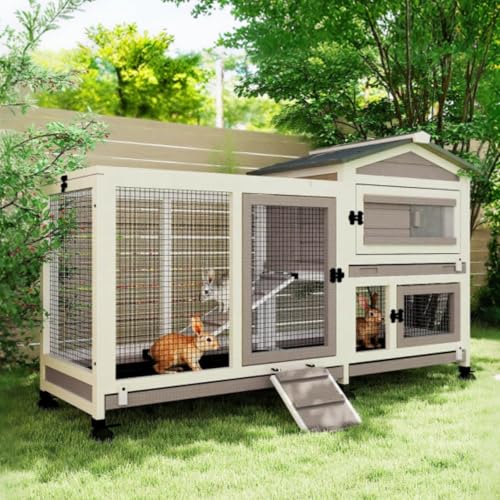
Ferrets are curious, energetic, and surprisingly good at squeezing into tiny spaces. If you’ve ever turned your back for two minutes and found your little explorer inside the couch, you know why a playpen is a must. But store-bought playpens can be pricey, and many aren’t even safe for ferrets because they can climb or chew through them. The good news? You can make a cheap ferret playpen at home with a few simple materials. It’s easier than you think, and your ferret will love having a dedicated space to run, play, and nap.
Why a DIY Playpen Beats Store-Bought Options
Ferrets have specific needs when it comes to their play area. They need room to run, something to climb, and a space that’s escape-proof. Many commercial playpens are designed for puppies or rabbits, with bars that ferrets can squeeze through or flimsy walls they can tip over. A DIY playpen lets you customize the size and shape to fit your home and your ferret’s personality. Plus, you can make it for under $30, which is a fraction of what you’d pay for a decent store-bought pen. And if you’re already thinking about ferret cage size requirements, you’ll appreciate having a playpen that gives them even more room to stretch their legs.
What You’ll Need to Build It
The secret to a cheap, effective ferret playpen is using modular storage cubes, often called cube grids or wire cube shelves. These are the same cubes people use for closet organizers, and they’re perfect for ferrets because the holes are small enough that ferrets can’t squeeze through, but large enough to see through. Here’s your shopping list:
- Modular storage cube panels (at least 12 panels, but more if you want a bigger pen)
- Zip ties (the small ones work best, and you’ll need about 50)
- Cardboard or a cheap rug for the floor
- Fleece blankets or old towels for comfort and to cover any sharp edges
- Ferrets’ favorite toys (you probably already have some)
- A litter box (optional, but helps with cleanup)
You can find cube panels online or at big-box stores for around $20 for a set of 12. Zip ties are a few dollars. That’s it. No power tools, no special skills, just a little time and creativity.
Step-by-Step Assembly
First, decide where you want the playpen. It should be in a low-traffic area, away from direct sunlight and drafts. Then, lay out the panels on the floor to figure out the shape. A square or rectangle is easiest, but you can also make an L-shape if you have a corner space. Once you’re happy with the layout, start connecting the panels using zip ties. Thread a zip tie through the holes where two panels meet, pull it tight, and snip off the excess. Do this at every corner and along the edges for stability. You’ll want the walls to be at least two panels high, because ferrets are surprisingly good climbers. If you have a particularly determined escape artist, make it three panels high.
Next, lay down a floor. Cardboard is cheap and easy to replace, but a washable rug or a piece of linoleum is even better. Ferrets will inevitably have accidents, so something you can wipe down is a lifesaver. Then, add a few fleece blankets in the corners for napping, and scatter some toys in the middle. If you have a cleaning routine for the cage, you’ll want to think about how to clean the playpen floor too, so choose materials that are easy to wipe or toss in the wash.
Making It Escape-Proof and Safe
Ferrets are masters of escape. They’ll test every seam and corner, so you need to be thorough. After you’ve zip-tied the panels, check for any gaps where a ferret could squeeze through. If you see a gap, add another zip tie or use a piece of cardboard to block it. Also, cover any sharp edges of the wire with fleece strips or duct tape. Ferrets have delicate skin, and a sharp edge can cause a cut. If you have a ferret that loves to chew, avoid using duct tape that they could ingest. Instead, use fleece strips tied tightly around the edges.
Another safety tip: never leave your ferret in the playpen unsupervised for long periods. Even the best playpen can be tipped over if your ferret climbs the walls. You can secure the playpen to a wall or heavy furniture using a bungee cord or a zip tie. And always make sure there’s fresh water available inside the pen, especially if it’s warm. If you’re worried about health issues, it’s always a good idea to know the signs of illness in ferrets so you can spot any problems early.
Fun Additions to Keep Them Busy
A plain playpen is fine, but adding a few extras will make it a ferret paradise. Ferrets love tunnels, and you can make one cheaply using a piece of flexible dryer vent hose or a children’s play tunnel. Just make sure the tunnel is wide enough for your ferret to turn around in. You can also hang a hammock from the top of the playpen using zip ties. Ferrets love to sleep in hammocks, and it gives them a high perch to observe their kingdom. Add a few cardboard boxes with holes cut in them for hide-and-seek, and you’ll have a playpen your ferret will never want to leave.
If you’re thinking about getting a ferret for your family, you might wonder are ferrets good pets for kids. They can be, but they need supervision and gentle handling. A playpen is a great way to let kids interact with the ferret in a controlled space, but always supervise playtime to prevent accidental bites or injuries.
Ferrets can sleep up to 18 hours a day, but when they’re awake, they need at least 1 to 2 hours of active playtime. A playpen gives them a safe space to burn off that energy without getting into trouble.
Maintenance and Cleaning Tips
Your DIY playpen is easy to clean. The zip ties can be cut and replaced if they get gross, but usually, you can just wipe down the panels with a pet-safe cleaner. The floor should be cleaned regularly, especially if your ferret has accidents. You can use a litter box inside the playpen to minimize mess, but be prepared for misses. Wash the fleece blankets weekly in hot water with fragrance-free detergent. If you’re wondering about how often to clean a ferret cage, the playpen follows a similar rule: spot-clean daily and deep-clean weekly. This keeps odors down and your ferret healthy.
“A happy ferret is a busy ferret, and a busy ferret needs a safe space to explore.”
When to Upgrade or Retire the Playpen
As your ferret grows or if you get more than one, you might need to expand the playpen. The beauty of modular cubes is that you can add more panels to make it bigger. Just buy another set and zip-tie them on. If you notice your ferret chewing on the wire or trying to bite through the zip ties, it’s time to replace them or reinforce the pen. Also, if you have a ferret that’s particularly determined to escape, consider using a top on the playpen. You can create a roof by attaching panels flat across the top, but make sure there’s enough ventilation. And if you ever have concerns about your ferret’s health, like if they seem lethargic or lose their appetite, check the signs of illness in ferrets and talk to your vet.
Building a cheap ferret playpen is a fun weekend project that pays off in peace of mind and happy ferret zoomies. With a little effort, you’ll have a custom play area that’s safe, affordable, and perfect for your little furry tornado. Just remember to always supervise playtime and keep the pen clean, and your ferret will thank you with endless entertainment.