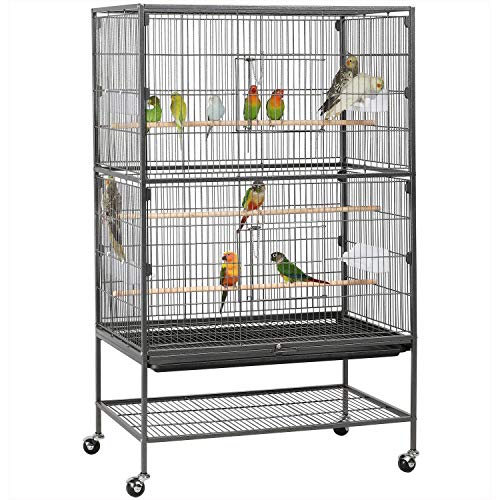
Your parakeet spends most of its day on its perches, so making them cozy is one of the best things you can do for its happiness. A comfortable perch setup can reduce stress, prevent foot problems, and encourage natural behaviors like chewing and climbing. Whether you have a single budgie or a chatty ringneck, these simple steps will transform a plain stick into a bird-friendly haven.
Choose Natural Wood Perches for Foot Health
Plastic or dowel perches are too uniform and can cause pressure sores on your parakeet’s feet. Instead, use natural wood branches from safe trees like manzanita, apple, or willow. The varying diameters exercise your bird’s feet and help prevent arthritis. Make sure the bark is clean and untreated. If you have a ringneck parakeet, understanding their cage size requirements will help you decide how many perches to add without crowding the space.
Add Soft Rope Perches for Warmth and Grip
Cotton rope perches are a cozy addition because they are soft on feet and provide a gentle grip. They also add a bit of warmth, which parakeets love. Choose 100% cotton or hemp ropes with no loose loops that could catch a toe. Place one near a favorite resting spot, but avoid putting it directly over food bowls, as droppings can contaminate the food. A rope perch is also a great place to hang a small toy or a bell for extra fun.
Position Perches Away From Food and Water
Birds naturally perch above their food and water sources in the wild, so mimicking this in the cage keeps things clean. Place perches at different heights, with the highest one being a favorite sleeping spot. Avoid placing a perch directly over a water dish, as droppings will quickly foul the water. This simple change can prevent bacterial growth and keep your parakeet healthier. If you notice your bird acting off, check signs of illness in ringneck parakeets to catch any problems early.
Parakeets love a perch with a slight texture. You can gently sand a natural branch to remove sharp splinters, but leave some bark for chewing. This mimics their wild environment and keeps their beak trimmed naturally.
Include Safe Chewing Toys on Perches
Parakeets are natural chewers. Adding a small toy made of untreated wood, leather, or palm leaf to a perch gives them something to destroy, which is mentally stimulating. Avoid toys with small metal parts or loose strings that could cause injury. A simple wooden block or a slice of apple wood attached near a perch can provide hours of entertainment. If your bird is prone to biting, understanding why can help you adjust the setup. Read more about why your ringneck parakeet bites to see if the perch placement might be causing territorial behavior.
Keep Perches Clean and Dry
A cozy perch is a clean perch. Wipe down perches weekly with a bird-safe cleaner or a vinegar and water solution. Replace rope perches every few months or if they become frayed or soiled. Natural wood perches can be scrubbed and baked in a low oven (200°F for 30 minutes) to sanitize them. A dry perch prevents bacterial and fungal growth, which is especially important for birds with sensitive respiratory systems. If you are considering a ringneck, check if ringneck parakeets are good pets for more on their care needs.
A cozy perch is more than a spot to stand, it is a place where your bird feels safe enough to preen, nap, and sing.
Vary Perch Diameters and Textures
Offer perches of different thicknesses, from thin (about the width of a pencil) to thick (about the width of your thumb). This variety exercises different parts of the foot and prevents stiffness. You can also include a flat platform perch for a different resting position. Avoid sandpaper covers entirely, they are abrasive and can cause sores. Instead, use a rough natural branch or a textured concrete perch (only for nail trimming, not for constant sitting).
By following these steps, you will create a cozy, safe, and engaging perch setup that your parakeet will love. A happy bird is a healthy bird, and a little effort in perch design goes a long way in building trust and comfort.