If you have a cat, you know the sound: that wet, hacking cough that ends with a slimy hairball on your rug. It is not just gross, it is a sign that your cat is swallowing too much loose fur during grooming. While occasional hairballs are normal, frequent vomiting is not. The good news is you can take real, practical steps to cut down on hairballs and save your floors (and your cat’s stomach). This guide walks you through exactly what works, from grooming tools to diet tweaks, so you can both breathe easier.
Brush More, Vomit Less: The Power of Deshedding
The single most effective way to stop hairballs is to remove loose fur before your cat swallows it. A daily brushing session can cut hairball frequency by more than half. You want a tool that reaches the undercoat, not just the top layer. The 7 Best Cat Deshedding Brushes, Tested on Real Felines are specifically designed to pull out that loose, shed-ready fur without hurting your cat’s skin. Aim for 5 to 10 minutes a day, especially during shedding seasons like spring and fall. Many cats learn to love this as a bonding ritual, so use treats and praise to make it a positive routine.
Change Their Diet to Reduce Fur Intake
What goes in affects what comes out. A diet rich in fiber helps move swallowed fur through the digestive tract instead of letting it ball up in the stomach. Look for cat foods labeled for hairball control, which often contain added fiber sources like psyllium husk or beet pulp. You can also add a teaspoon of plain canned pumpkin (not pie filling) to their wet food a few times a week. For cats with sensitive stomachs, a probiotic can make a real difference. Boost Your Cat’s Digestion with FortiFlora Probiotics is a popular choice that many owners report helps with both regularity and hairball reduction. Always transition any new food slowly over a week to avoid upsetting their stomach.
Longhaired cats like Persians and Maine Coons are more prone to hairballs, but shorthaired cats can get them too. The average cat swallows a surprising amount of fur just from normal grooming, enough to fill a small ball every few days.
Hydration Is Key: Help Fur Move Through
Dehydration is a major contributor to hairballs. When a cat does not drink enough water, their digestive system slows down, and fur gets trapped more easily. Many cats are picky about drinking from a bowl, especially if it is near their food. A moving water source often entices them to drink more. The Top 5 Cat Water Fountains provide a constant flow that mimics a natural stream, which can double or triple your cat’s daily water intake. Place the fountain away from their food bowl and clean it weekly to keep the water fresh. You can also add a little low-sodium chicken broth to their wet food to boost moisture.
Add a Little Lubricant: Hairball Remedies That Work
Sometimes, even with good brushing and diet, a cat needs a little help. Over-the-counter hairball remedies are usually petroleum-based or malt-flavored gels that you give a few times a week. They coat the fur in the stomach, helping it slide through the intestines. Most cats will lick these off your finger or a plate. Start with a pea-sized amount once or twice a week, and increase if needed. If your cat vomits after taking the gel, stop and talk to your vet. These products are not a substitute for brushing, but they are a helpful backup for heavy shedders.
“A hairball now and then is normal, but if your cat is vomiting every week, it is time to change something. Your cat is telling you their system is overloaded.”
Reduce Stress and Increase Activity
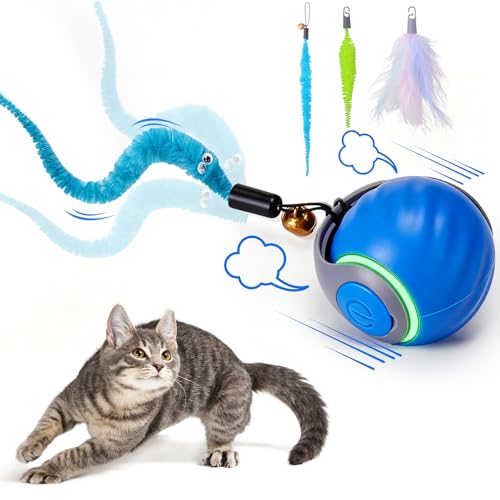
Stress can cause a cat to overgroom, which means more fur in the stomach. Bored or anxious cats often lick themselves as a coping mechanism. The solution is environmental enrichment. Give your cat places to climb, hide, and play. A sturdy Top 5 Cat Trees provides vertical territory that helps a cat feel secure and confident. Interactive toys, puzzle feeders, and even a few minutes of wand-play each day can reduce stress-related grooming. If you notice bald patches or obsessive licking, that is a sign of deeper stress, and you should consult your vet.
Another often-overlooked stressor is a dirty or uncomfortable carrier. If your cat dreads vet visits, that anxiety can spill over into their daily behavior. A comfortable, secure Top 5 Cat Carriers can make trips less traumatic and help keep your cat’s stress levels lower overall. A calm cat is less likely to overgroom.
If your cat is vomiting frequently (more than once a month), has no appetite, seems lethargic, or is straining to vomit without producing anything, these could be signs of a blockage or other health issue. Do not rely on home remedies alone. A vet visit is the safest course of action.
Grooming Beyond Brushing: Nails and Mats
Matted fur is a hairball factory. When fur mats, it pulls on the skin and causes discomfort, leading to more licking and more swallowed hair. Keep your cat’s coat free of tangles by using a wide-tooth comb on longhaired cats. Also, keep their nails trimmed so they do not snag and pull out clumps of fur during scratching. The 2026 Best Cat Nail Trimmers: Pet Republique Top Pick makes the job quick and safe, reducing the chance of accidental pulls that lead to extra grooming. Regular nail trims also prevent your cat from damaging furniture, which is a nice bonus.
By combining daily brushing, a fiber-rich diet, plenty of water, and a low-stress environment, you can dramatically reduce hairballs. Your cat will be more comfortable, and you will spend less time cleaning up messes. Start with one change today, and build from there. Your cat will thank you with a purr instead of a hack.