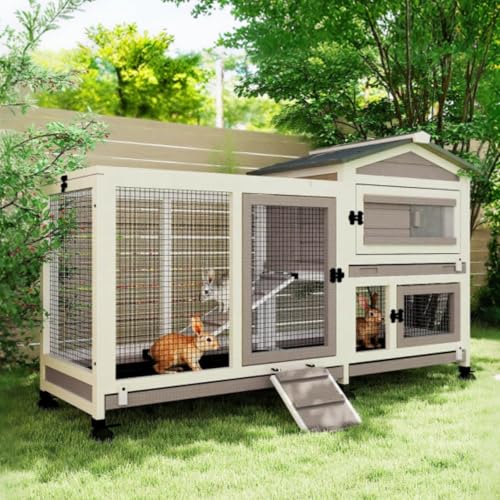
Ferrets are smart, stubborn, and surprisingly tidy by nature, but they also have a habit of backing into corners whenever the urge strikes. If you have ever watched a ferret scuttle backward into a corner you just cleaned, you know the struggle is real. The good news is that with a solid plan and a little patience, you can have your ferret reliably using the litter box within three weeks. This guide walks you through exactly what to do, day by day, so you can spend less time scrubbing and more time playing.
Set Up the Right Litter Boxes and Litter
Ferrets are creatures of habit, and they prefer to potty in corners. Place a low-sided litter box in every corner of the cage, and at least one box in the corner of the play area where your ferret already tends to go. Use a paper-based pellet litter, never clumping clay litter, which can cause respiratory issues if inhaled. Avoid corner guards or hoods at first, as some ferrets are spooked by them. If your ferret is a digger, try a heavier box or attach it to the cage bars. A clean, accessible setup is half the battle won. For more on keeping the whole cage fresh, read our guide on how often to clean ferret cage.
Confine and Supervise During the First Week
During week one, keep your ferret in a smaller, controlled space like the cage or a ferret-proofed room. Let them out only for supervised play sessions lasting 15 to 20 minutes. Watch closely: the moment your ferret wakes from a nap (they usually need to go within minutes), gently place them in a litter box. If they start backing into a corner, scoop them up and put them in the box. Reward them immediately with a tiny bit of meat or a lick of salmon oil. Do not scold accidents, just clean them up with an enzymatic cleaner to remove the scent. If your ferret bites during handling, check out our article on why does my ferret bite me for tips on gentle redirection.
Ferrets have a very short digestive tract, meaning they usually need to potty every 3 to 4 hours, and almost always right after waking up. Use this to your advantage by timing your training sessions around their sleep schedule.
Use Positive Reinforcement, Not Punishment
Ferrets respond best to rewards, not reprimands. Every time you see your ferret use the litter box, give a treat and a happy word like “good potty.” Keep treats small and high-value, such as freeze-dried chicken or a dab of ferret-safe oil. If your ferret has an accident, do not yell or rub their nose in it. That only teaches fear. Instead, clean the spot thoroughly and consider why it happened: was the box too far? Was it dirty? Did you miss the wake-up window? Adjust your setup accordingly. A ferret that feels safe and praised learns much faster than one that feels threatened.
Gradually Expand Their Territory in Week Two
By the second week, your ferret should be using the litter box in the cage reliably. Now you can start giving them more freedom. Open the cage door and let them explore a larger ferret-proofed room, but only for short, supervised sessions. Place extra litter boxes in the corners they naturally gravitate toward. If they have an accident, that corner becomes a permanent litter box spot. If they use it correctly, reward heavily. Keep the cage as their safe base with familiar boxes. At this stage, consistency is everything. If you have kids in the house, it helps to know are ferrets good pets for kids so everyone can participate in training calmly.
“A ferret that knows where to potty is a ferret that gets more freedom. Be patient, be consistent, and they will figure it out.”
Watch for Signs of Illness That Can Disrupt Training
If your ferret suddenly starts having accidents after a period of good litter box use, it might not be a training failure. Health issues like intestinal parasites, urinary tract infections, or digestive upset can cause loss of control. Check for changes in stool consistency, appetite, or energy levels. If your ferret seems lethargic or is straining to go, consult a veterinarian. Our guide on signs of illness in ferrets can help you spot red flags early. Always rule out medical causes before assuming your ferret is being stubborn.
Fine-Tune and Troubleshoot in Week Three
By week three, most ferrets will reliably use the litter box in their cage and main play area. But expect a few backslides. If your ferret starts missing the box, check if the litter is too deep, the box is too small, or if you have moved furniture around. Ferrets are creatures of routine. Keep the setup exactly where they expect it. If you have multiple ferrets, you may need extra boxes because they can be territorial about potty spots. Also, never punish a missed box, just clean and reset. If you are planning to add a new ferret to the household, you may also want to read about how long do ferrets live to prepare for the long-term commitment.
If your ferret keeps backing into the same wrong corner, put a litter box there, even if it looks odd. You can always move it an inch per day toward your preferred spot after they are used to using it. Ferrets are stubborn, but they are also lazy, they will use the closest box.