Bringing home a new puppy is wonderful, but the first week can feel like a non-stop game of “watch and rush.” You want to get outside before the squat, but it feels impossible. The good news? With a tight schedule and total consistency, you can lay a rock-solid foundation for potty training in just seven days. This isn’t about magic, it’s about management, timing, and praise. Let’s get your puppy on the fast track to being house trained.
Day 1-2: Set Up for Success with Total Supervision
The first two days are all about preventing accidents before they happen. Your puppy should never be out of your sight. Use a leash attached to you inside the house, or keep them in a small, puppy-proofed room. The goal is to catch every single signal. When they start sniffing the floor or circling, scoop them up immediately and head outside. After every meal, every nap, and every play session, go to the same potty spot. Reward with a high-value treat and quiet praise the second they finish. This builds a direct link between going outside and getting a reward.
During this phase, you will be exhausted. That is normal. Accept that your own schedule will revolve around the puppy’s bladder for a few days. If you need to step away for a moment, use a crate or an exercise pen. Puppies naturally avoid soiling their sleeping area, so a properly sized crate is a powerful training tool. Just make sure it is not so big that they can use one corner as a bathroom.
Day 3-4: Build a Predictable Routine
By day three, your puppy should start to understand that outside equals potty time. Now you tighten the schedule. Take them out first thing in the morning, immediately after waking from a nap, 10-15 minutes after eating or drinking, and right before bed. Stick to these times like clockwork. A predictable routine helps their body learn when to go. Keep a log if it helps: note when they eat, sleep, and potty. Patterns will emerge quickly.
If you have a breed known for being stubborn or large, like a Cane Corso, you might wonder if their temperament affects training. For specific insights on that breed’s personality, check out our guide on are Cane Corsos good family dogs, which covers their trainability and needs. For any puppy, the key is to never let them practice the wrong behavior. If you catch them starting to squat inside, clap once to interrupt (do not yell), then rush them outside. If they finish inside, just clean it up silently with an enzymatic cleaner. Punishment after the fact only confuses them.
Puppy bladders are tiny. A general rule is that a puppy can hold it for one hour per month of age, plus one. So a two-month-old puppy can hold it for about three hours max, but only while sleeping. During awake play, that window shrinks to 20-30 minutes. Plan accordingly.
Day 5-6: Introduce the Cue Word and Expand Freedom
Now that the routine is solid, start using a cue word like “Go potty” or “Get busy” right as they start to go. Say it in a calm, encouraging tone. Over time, they will learn to go on command, which is incredibly handy before car rides or bedtime. On these days, you can also start giving them a little more freedom in one room of the house, but only under direct supervision. If they have an accident, go back to the tether or crate for a few hours. Freedom is earned, not given.
Accidents will still happen, and that is okay. The most common mistake is giving too much freedom too soon. If your puppy has a good day, do not assume they are fully trained. Stick to the schedule for the full week. Also, make sure their food and water schedule is consistent. Pick up the water bowl about an hour before bedtime to help them sleep through the night. If you are feeding a large breed puppy like a Cane Corso, proper nutrition plays a role in overall health and digestion, which can affect potty schedules. You can find more on that in our guide on recommended dog food for Cane Corso puppies to support their growing system.
Day 7: Celebrate Progress, But Stay Vigilant
By day seven, you should see a clear pattern: your puppy heads for the door, sits by it, or at least pauses and looks at you when they need to go. Celebrate this! But do not drop your guard. True potty training takes weeks or months to become a reliable habit. Continue the schedule for at least another two weeks before slowly extending the time between trips. Always reward outdoor potties. And if you hit a setback, just go back to the basics of total supervision and frequent trips.
“Every accident is a missed signal, not a bad dog. Watch closer, go out more often, and you will both get there.”
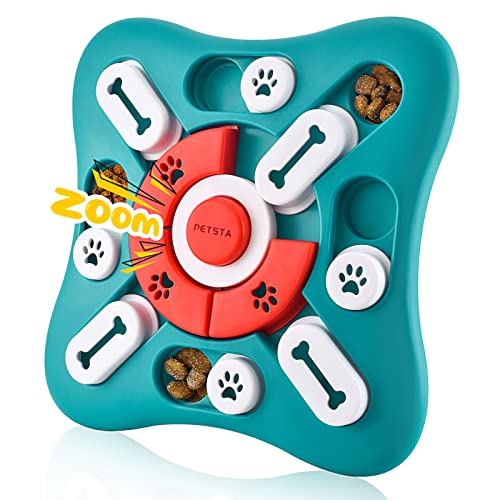
If you have an active, intelligent breed like an Australian Shepherd, you might find they pick up the routine quickly but also get bored easily. Bored puppies sometimes have accidents out of distraction. Keeping their mind engaged can help them stay focused on the training. For ideas, check out our picks for puzzle toys for Australian Shepherds: top picks for smart dogs. A tired, engaged puppy is more likely to settle and hold their bladder until the next potty break.
Remember, the goal of this week is not perfection, it is progress. You are teaching your puppy a new language. Be patient, be consistent, and keep the treats handy. You have got this.