If you’ve ever watched your bearded dragon shed in patches or noticed their skin looking a little dull, you might be wondering if the air in their tank is too dry. You’re not alone. Many owners focus so much on heat that humidity gets forgotten, but it’s just as important for their health and comfort. The goal is a gentle 30 to 40 percent relative humidity, which mimics their natural Australian habitat. Too low and they can struggle with shedding and hydration; too high and you risk respiratory issues. Let’s walk through exactly how to raise humidity safely, without turning their home into a swamp.
Why Humidity Matters for Bearded Dragons
Bearded dragons come from arid regions, but even deserts have humid spells, especially during the wet season. Their bodies are adapted to handle that range. When the air in your tank is too dry, typically below 20 percent, your dragon’s skin can become brittle, making shedding painful and incomplete. It can also lead to dehydration, because they lose moisture through respiration. On the flip side, if humidity stays above 40 percent consistently, you’re inviting mold growth and potential respiratory infections. That’s why finding the balance is key. A simple digital hygrometer is your best friend here, since analog ones are often inaccurate.
Place your hygrometer in the middle of the tank, not right next to the water bowl or under the basking lamp. That gives you the true average humidity level.
Start with a Larger Water Bowl
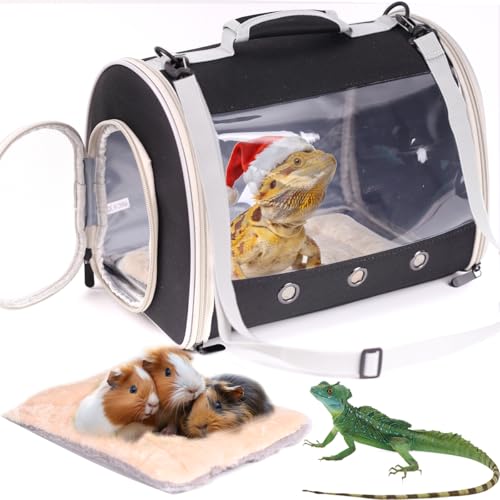
The easiest and most natural way to add moisture is a shallow, sturdy water bowl. Bearded dragons don’t always drink from standing water, but evaporation from the bowl raises humidity steadily. Choose a bowl that’s wide and low, so your dragon can climb in if they want, but not so deep that they could drown. Place it on the cool side of the tank to slow evaporation and keep the warm side dry. You’ll want to refill it with fresh water daily, and clean it weekly to prevent bacteria. If you’re traveling with your dragon, a reptile carrier with a small water dish can help maintain similar conditions on the road.
Mist, Don’t Soak
Misting is a direct way to raise humidity, but it’s easy to overdo it. Use a spray bottle with dechlorinated water and mist the tank walls and decorations, not your dragon directly. A light misting once or twice a day is usually enough, especially in the morning to mimic dew. Watch how your dragon reacts. If they puff up or run away, they don’t like it, so aim for the glass instead. Also, avoid misting right before lights out, because the tank will stay damp overnight, which can cause problems. Instead, mist in the morning so the heat lamp can dry things out during the day.
Add Live Plants or a Damp Cloth
Live plants are a fantastic, natural humidifier. Plants like pothos, spider plants, or ferns release moisture through their leaves, and they also give your dragon something to explore. Just make sure any plant you add is non-toxic to reptiles and safe for the heat. If you’re not ready for live plants, a simpler trick is a damp cloth or paper towel placed on the cool side of the tank. The water evaporates slowly, adding humidity without much fuss. Just replace it daily to prevent mold. This is especially handy during shedding time, when a slight bump in humidity can help loosen those stubborn scales.
Use a Humidity Box for Shedding
If your dragon is mid-shed and struggling, a humidity box is a lifesaver. Take a small plastic container with a lid, cut a hole in the top for entry, and fill it with damp sphagnum moss or paper towels. Place it inside the tank on the cool side. Your dragon can climb in and out as they please, and the high humidity inside helps soften old skin. This is a temporary measure, not a permanent setup, so remove it once the shed is complete. It’s also a great idea to have a reptile tank with good ventilation, because that prevents the humidity from getting trapped and becoming harmful.
“A happy bearded dragon is one that can shed its skin without a struggle, and that starts with the air around it.”
Monitor and Adjust with the Seasons
Humidity levels change with your home’s climate. In winter, when heaters dry out the air, you might need to mist more often or add a second water bowl. In humid summers, you might need to dial back. That’s why a reliable hygrometer is non-negotiable. Check it daily, and adjust your methods based on the numbers. Also, keep in mind that your tank’s substrate matters. Loose substrates like sand can hold moisture, but they’re risky if ingested. A safer option is a lizard liner, which is easy to clean and won’t affect humidity in unpredictable ways. If you’re using a heat lamp, make sure it’s positioned correctly, because excessive heat can lower humidity too quickly. For a budget-friendly option, check out this small reptile heat lamp under 50 that gives you control without breaking the bank.
When to Ask Your Vet
If you’ve tried these methods and your dragon still seems dehydrated, has stuck shed, or shows signs of respiratory distress like wheezing or open-mouth breathing, it’s time to talk to your vet. They can rule out underlying health issues and give you specific guidance for your dragon’s age and condition. Remember, every dragon is a little different, so what works for one might not work for another. The key is to observe, adjust, and always put their comfort first. With a little patience, you’ll find the perfect balance that keeps your scaly friend healthy and happy.