If you live with a cat, you live with cat hair. It shows up on your couch, your clothes, and sometimes even in your coffee. While you can’t stop a healthy cat from shedding, you can dramatically reduce the amount of loose fur floating around your home. The key is a consistent routine that addresses the root causes of shedding, not just the aftermath. Here is how to reduce shedding in cats with practical, owner-tested strategies.
Brush Your Cat Every Day (Yes, Every Day)
The single most effective way to cut down on shed hair is to remove it before it lands on your furniture. Daily brushing collects loose fur, distributes natural skin oils, and prevents mats that trap dead hair. For short-haired cats, a rubber grooming mitt or a fine-toothed metal comb works well. For long-haired breeds, you need a slicker brush and a wide-tooth comb to reach the undercoat. Make it a calm, positive ritual. Pair brushing with a treat or a gentle massage so your cat looks forward to it. If your cat resists brushing, start with just a few strokes and build up over time. Consistency matters more than duration.
Feed a High-Quality Diet Rich in Omega Fatty Acids
A cat’s coat health starts from the inside. A diet lacking in essential fatty acids, especially Omega-3 and Omega-6, can lead to dry, brittle fur that sheds more. Look for cat foods that list real meat (like chicken or salmon) as the first ingredient and include fish oil or flaxseed. You can also add a cat probiotic supplement to support digestion and nutrient absorption, which in turn helps skin and coat condition. Always transition any new food or supplement slowly over a week to avoid stomach upset. If your cat’s shedding seems excessive or is paired with bald patches, ask your vet about a diet change or a fatty acid supplement.
“A healthy cat’s coat is shiny and soft. If it feels dry or looks dull, check the food bowl before you check the brush.”
Keep Your Cat Hydrated for Better Skin
Dehydration is a common cause of poor coat quality and increased shedding. Cats evolved to get moisture from prey, so many don’t drink enough from a bowl. Encourage water intake by placing multiple water stations around the house, using a pet fountain (moving water attracts cats), and feeding wet food as part of their diet. Elevated bowls can also help, especially for older cats or those with neck discomfort. Check out our guide on elevated cat bowls to find options that make drinking more comfortable. A well-hydrated cat has supple skin that holds onto hair follicles longer, meaning less loose fur.
An indoor cat can shed up to 10,000 hairs per square foot of carpet each year. Most of that hair is removed by grooming, but a daily brush session can capture over 90% of loose fur before it hits the floor.
Reduce Stress to Reduce Shedding
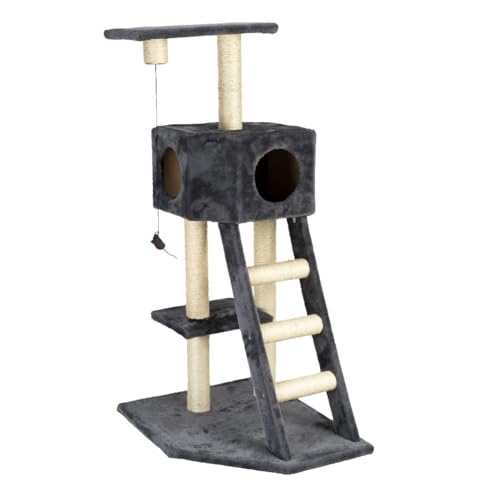
Stress triggers a condition called psychogenic alopecia, where cats overgroom or shed excessively due to anxiety. Common stressors include changes in routine, new pets, loud noises, or a dirty litter box. Managing your cat’s environment can make a big difference. Provide vertical space like cat trees, hideaways, and consistent feeding times. If your cat is particularly anxious, a cat calming collar can help ease nerves with pheromones or natural botanicals. Also, consider using a Feliway diffuser in high-traffic rooms. A calm cat sheds less because they aren’t compulsively grooming or releasing stress hormones that affect hair follicles.
Bathe Your Cat Occasionally (But Carefully)
Most cats don’t need frequent baths, but an occasional rinse can remove dead hair and dander that brushing misses. Use a cat-specific shampoo that is gentle on the skin. Never use human shampoo, as it strips natural oils and can worsen shedding. Bathe only when your cat is calm and the room is warm. If your cat hates water, try waterless shampoo or grooming wipes instead. A bath once every two to three months is plenty for most indoor cats. After bathing, dry your cat thoroughly with a towel. If you use a blow dryer, keep it on the lowest heat and noise setting to avoid scaring them.
Use the Right Tools for Grooming and Cleanup
Beyond brushing, the right gear makes shedding management easier. A good vacuum with a pet hair attachment is essential for upholstery and carpets. For grooming sessions, a de-shedding tool like a Furminator can remove loose undercoat hair that ordinary brushes miss. And while you’re focused on grooming, don’t forget nail care. Cats that scratch furniture can loosen hair as they claw. A cat nail grinder like the Dremel 7300-PT makes nail trims quick and low-stress, reducing the urge to scratch and spread hair around. Keep a lint roller in every room for quick touch-ups on clothes and fabric.
Remember, shedding is seasonal for most cats, with heavier periods in spring and fall when they blow their coat. If you notice sudden, patchy hair loss, red skin, or constant scratching, those are signs of a medical issue like allergies, parasites, or thyroid problems. In those cases, see your veterinarian. For normal shedding, a consistent routine of brushing, good nutrition, hydration, and a calm home will keep the fur where it belongs: on your brush, not your sofa.