Bringing home a betta fish is exciting, but setting up their tank the right way makes all the difference between a stressed fish and a happy, colorful one. Bettas are often sold in tiny cups, but they need a proper, filtered, and heated home to truly flourish. This guide covers everything from tank size to water cycling, so you can create a safe, beautiful environment your betta will love.
Choose the Right Tank Size and Location
Forget the myth that bettas can live in small bowls or vases. A betta needs at least a 5-gallon tank to swim, explore, and maintain stable water conditions. A larger tank is easier to keep clean because toxins dilute more effectively. Place the tank away from direct sunlight, drafts, and loud vibrations from TVs or speakers. A stable temperature between 78 and 80 degrees Fahrenheit is critical, so avoid spots near windows or air vents.
Gather Essential Equipment
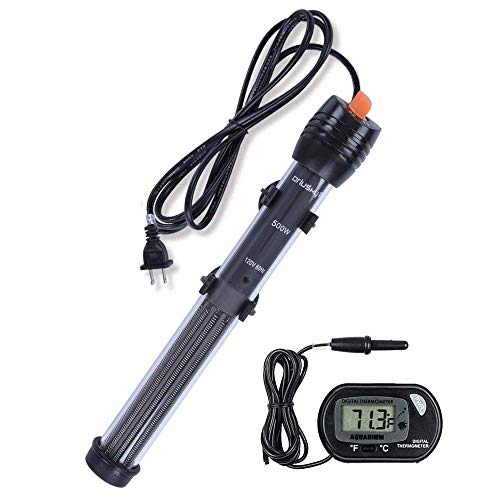
You will need a filter (a gentle sponge filter is ideal for bettas), a heater with an adjustable thermostat, a thermometer, a lid or cover (bettas can jump), and a water testing kit. For substrate, choose smooth gravel or sand to avoid tearing your betta’s delicate fins. Avoid sharp decorations or plastic plants; silk or live plants are much safer. If you plan to travel occasionally, a reliable WiFi fish feeder comparison can help you choose an app-controlled model that keeps your betta fed on schedule while you are away.
Cycle the Tank Before Adding Your Betta
Cycling is the most important step that many beginners skip. You need to establish beneficial bacteria that convert toxic ammonia from fish waste into safer nitrates. This process takes 4 to 6 weeks. Add a source of ammonia (like fish food or pure ammonia) and test the water weekly. When ammonia and nitrite levels drop to zero and nitrate appears, your tank is cycled and safe. Patience here prevents deadly ammonia spikes later.
“A cycled tank is the single best gift you can give your betta. It is the difference between survival and thriving.”
Set Up the Tank and Add Decor
Rinse your substrate and decorations thoroughly with water only (no soap). Fill the tank slowly to avoid disturbing the substrate. Install the filter and heater, then set the heater to 78 degrees Fahrenheit. Add silk or live plants like java fern, anubias, or moss balls. These provide hiding spots and help keep water clean. Avoid anything with sharp edges. If you plan to feed your betta while you are away, consider a which automatic fish feeder is best guide to find a model that dispenses the right portion size for bettas.
Introduce Your Betta to the Tank
After the tank is cycled and the temperature is stable, float your betta in its bag on the water surface for 15 to 20 minutes to equalize temperature. Then, slowly add small amounts of tank water to the bag every 5 minutes for another 20 minutes. Finally, gently net your betta into the tank. Do not pour the bag water into the tank, as it may contain waste or contaminants. Turn off bright lights for the first few hours to reduce stress.
Maintain a Healthy Tank Routine
Perform a 25% water change every week using a gravel vacuum to remove debris. Test water parameters monthly to ensure ammonia and nitrite stay at zero. Rinse filter media in old tank water (never tap water) to preserve beneficial bacteria. Feed your betta a varied diet of high-quality pellets, frozen bloodworms, and daphnia. Overfeeding is a common mistake, so give only what they can eat in 2 minutes, twice a day.
Bettas have a labyrinth organ that allows them to breathe air from the surface. This is why they can survive in low-oxygen water, but it does not mean they should. A proper filter and heater still give them the best quality of life.
Common Mistakes to Avoid
- Skipping the cycle: Adding a betta to uncycled water is the leading cause of illness and death.
- Using a tank under 5 gallons: Small tanks are hard to keep stable and limit swimming space.
- Overdecorating with sharp items: Plastic plants and rough ornaments tear fins and cause infections.
- Overfeeding: Uneaten food rots and spikes ammonia levels.
- Ignoring water temperature: Bettas are tropical fish and need a consistent 78-80 degrees Fahrenheit.
Setting up a betta tank is a rewarding project that directly impacts your fish’s health and happiness. With the right tank, proper cycling, and a little patience, you will enjoy watching your betta explore, build bubble nests, and show off its vibrant colors for years to come.