So you want a new aquarium, and you want it set up fast without killing your fish. I have been there, staring at an empty glass box on the stand, wondering how to get from that to a bubbling, living underwater world by dinner time. The good news is you absolutely can do it in a single afternoon if you follow the right sequence. The bad news is that rushing the wrong steps, like dumping fish into uncycled water, will end in tears. This guide is your shortcut to a safe, quick setup that actually works.
1. Choose The Right Tank And Stand Location
Before you even open a box, pick a spot that can handle the weight. A 20-gallon tank filled with water and gravel weighs over 200 pounds. Place the stand on a level floor away from direct sunlight and heating vents. Sunlight grows algae fast, and vents mess with your water temperature. If you are buying a new tank, go with a standard rectangular shape for easier cleaning and better water flow. Now, rinse the tank with plain water, no soap. Soap residue kills fish. Wipe it dry, set it on the stand, and you are ready for the next step.
2. Add Substrate, Decor, And Fill With Water
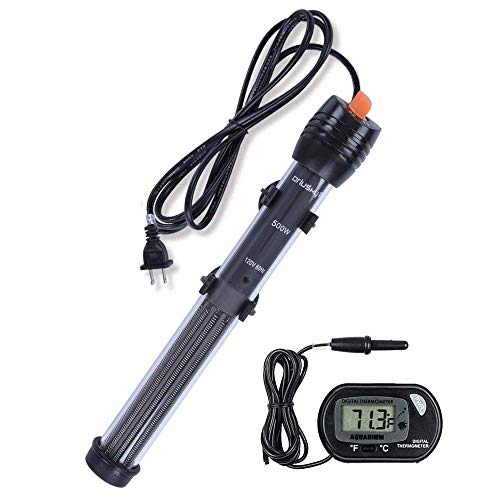
Rinse your gravel or sand in a bucket until the water runs clear. Spread it evenly, sloping higher in the back for depth. Place your decorations, driftwood, and rocks now. Heavy rocks go directly on the glass bottom, not on top of the gravel, to avoid cracking. Fill the tank halfway using a plate or bowl on the substrate to avoid stirring up a cloud. Then install your heater and filter, but do not plug them in yet. Fill the rest of the way, leaving an inch of air gap at the top. Now plug in the filter and heater. Set the heater to 78 degrees Fahrenheit and let it run for 20 minutes before checking the temperature with a reliable thermometer. For a precise reading, check out our guide on Which Aquarium Digital Thermometer Really Works? to avoid guessing.
3. Cycle The Tank Fast (The Quick Way)
Cycling is the process of growing beneficial bacteria that turn fish waste into less toxic stuff. It normally takes weeks, but you can speed it up. The fastest method is to use a bottled bacteria starter, available at any pet store. Pour the full bottle into the filter. Also, add a pinch of fish food or a small piece of raw shrimp to the tank to produce ammonia for the bacteria to eat. Run the filter for 24 hours, then test the water. You want ammonia and nitrite at zero. If they are still high, wait another day and test again. Once both are zero, you can add fish. If you want to keep that water crystal clear long-term, a UV clarifier can help. Check out the Crystal Clear Water: Best UV Sterilizers for Ponds & Aquariums for options that fit your setup.
If you can get a handful of used filter media from a friend’s established tank, your cycle will finish in 24 hours. That squishy, brown gunk is pure gold for a new tank.
4. Choose And Acclimate Your First Fish
Start with hardy fish like zebra danios, white cloud minnows, or guppies. They are tough and forgiving. Never add more than three or four fish at a time to avoid overwhelming your new filter. Float the sealed bag in the tank for 15 minutes to equalize temperature. Then open the bag and add a cup of tank water every five minutes for another 15 minutes. Net the fish into the tank, do not pour the bag water in. Bag water can contain parasites or ammonia. Turn off the lights for the first day to reduce stress. Feed very lightly on the second day.
5. Maintain Water Quality From Day One
Test your water every other day for the first two weeks. If ammonia or nitrite appears, do a 25 percent water change immediately. A good filter sponge is your best friend here because it houses the bacteria that keep water safe. For a deep dive on choosing the right one, see the 2026 Guide: Best Aquarium Filter Sponges & Media. Also, keep an eye on nitrate levels. Nitrate is the final waste product and builds up over time. If it climbs above 40 ppm, plants or a dedicated remover can help. We reviewed the best options in Find the Best Aquarium Nitrate Remover: Top Picks.
“The secret to a quick aquarium setup is not cutting corners, it is stacking the right steps in the right order.”
6. Automate For Easy Long-Term Care
Once your tank is stable, consider automating water changes and temperature control. An automatic water changer makes weekly maintenance a two-minute job instead of a chore. For heaters, a reliable unit with a built-in thermostat is essential. You can see our top picks in Top 5 Aquarium Heaters. And if you want to monitor everything from your phone, an aquarium controller can track temperature, pH, and lighting schedules. Check the Top 5 Aquarium Controllers for models that save you time and worry.
Setting up a new aquarium quick is totally doable. Just remember: rinse everything, cycle with bacteria starter, add fish slowly, and test your water often. Your fish will thank you with bright colors and active swimming. Now go enjoy your new underwater world.