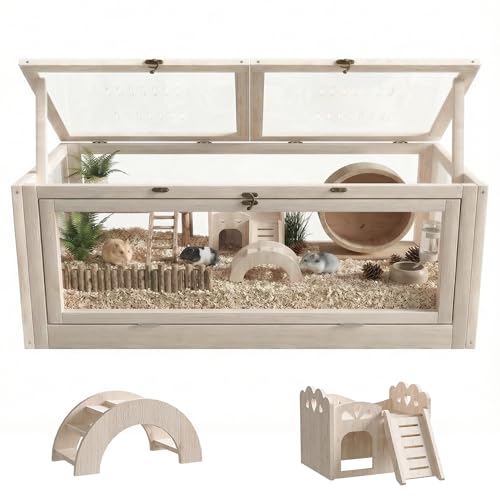
If you are looking for a budget-friendly way to give your hamster more space than most wire cages allow, a bin cage is the perfect solution. A simple plastic storage bin, some hardware cloth, and a few basic tools can create a roomy, escape-proof home that meets your hamster’s needs. This guide will walk you through every step, from picking the right bin to adding cozy bedding and fun enrichment. Whether you are a new owner or upgrading your setup, you will have a safe, comfortable habitat in no time.
Why Choose a Bin Cage?
Bin cages are popular for good reason. They offer deep bedding for burrowing, are easy to clean, and provide excellent ventilation when modified properly. Unlike glass aquariums, they are lightweight and much cheaper than many commercial cages. Plus, you can customize the size to fit your space. If you are considering a smaller breed like a Chinese hamster, understanding their specific needs is key. For example, Chinese hamster cage size requirements start at 450 square inches of floor space, and a bin cage makes meeting that minimum simple and affordable.
Choosing the Right Bin
Look for a clear or translucent plastic storage bin with a flat lid. Avoid bins with built-in wheels or ridges that might trap waste. The minimum size for any hamster is 450 square inches of continuous floor space, but bigger is always better. A 110-quart bin (roughly 36 inches by 18 inches) is a great starting point. Make sure the plastic is sturdy and not brittle, as hamsters can chew through thin plastic. Also, check that the lid snaps on securely, because hamsters are clever escape artists.
Cutting the Ventilation Window
Good airflow prevents ammonia buildup and keeps your hamster healthy. Use a marker to draw a large rectangle on the lid, leaving at least 2 inches of plastic around the edges for strength. Carefully cut out the rectangle using a utility knife or box cutter (adults only for this step). Then, cut a piece of 1/4-inch hardware cloth (galvanized wire mesh) slightly larger than the hole. Attach the mesh to the inside of the lid using zip ties or screws with washers. Make sure there are no sharp edges poking out. This mesh will keep your hamster safe from predators and prevent escapes.
If you are using zip ties, snip the tails short and file them down with a nail file. Hamsters have been known to chew on plastic zip ties, and smooth edges are safer.
Bedding and Substrate Layers
Hamsters are natural burrowers, so deep bedding is a must. Use paper-based bedding (like Carefresh or Kaytee Clean & Cozy) or aspen shavings. Avoid cedar or pine shavings, as the oils can harm your hamster’s respiratory system. Fill the bin with at least 6 inches of bedding, but 8 to 10 inches is ideal for tunneling. You can mix in a bit of hay for structure. A thick layer also helps absorb urine and control odor. When it is time to refresh the habitat, follow a proper cleaning routine. Our guide on how to clean a Chinese hamster cage applies to any bin cage: spot clean daily and do a full bedding change every 3 to 4 weeks.
Essential Furnishings
Now for the fun part: adding the gear. Every bin cage needs a solid-surface exercise wheel (at least 8 inches for dwarfs, 10 to 12 inches for Syrians), a water bottle or heavy ceramic bowl, a food dish, and at least one hideout. Add a sand bath (use reptile sand or children’s play sand, not dust) for your hamster to clean their coat. Chew toys, cardboard tubes, and wooden blocks keep their teeth healthy and provide enrichment. If you are wondering about diet, check out what do Chinese hamsters eat for a balanced meal plan that works for most hamsters. Place the wheel and heavy items on a flat surface to prevent tipping. Scatter food around the bin to encourage natural foraging behavior.
Safety Checks and Maintenance
Before introducing your hamster, inspect the entire cage. Run your hand along all edges of the mesh and lid to feel for sharp spots. Make sure the water bottle hangs securely and does not leak onto the bedding. Check that the lid clips are tight. Once your hamster moves in, watch for signs of stress or illness. If your hamster seems lethargic, has discharge from the eyes or nose, or stops eating, consult a vet. For Chinese hamsters specifically, be aware of signs of illness in Chinese hamsters so you can act quickly. A bin cage is easy to maintain, but daily spot cleaning and weekly deep checks keep your pet healthy.
A happy hamster is a busy hamster. Give them space to dig, run, and explore, and they will reward you with endless curiosity.
Final Setup Checklist
- Bin with at least 450 square inches of floor space
- Lid with hardware cloth ventilation window
- 6 to 10 inches of paper or aspen bedding
- Solid exercise wheel (appropriate size for your breed)
- Water bottle or bowl, food dish, and sand bath
- At least one hideout (wood, ceramic, or plastic)
- Chew toys, tunnels, and enrichment items
- Heavy ceramic items to prevent tipping
Once everything is set up, let your hamster explore on their own terms. Give them a day or two to adjust before handling. With a well-built bin cage, you are providing a home that supports their natural instincts and keeps them active and content.