Bringing home a kitten who hides under the couch, hisses at your hand, or refuses to come out from behind the washer can feel heartbreaking. You want to help, but every move you make seems to scare them more. The truth is, a scared kitten isn’t broken or unfriendly, they are overwhelmed. Socializing a fearful kitten is less about training and more about building trust on their terms. With a calm environment, the right tools, and a lot of patience, you can help even the most timid kitten blossom into a confident, affectionate companion. Here is exactly how to do it, step by gentle step.
Create a Safe, Small Sanctuary
The biggest mistake people make is giving a scared kitten the run of the whole house. Too much space is terrifying. Instead, set up one small, quiet room like a spare bedroom or a bathroom. Put in a soft bed, a litter box, fresh water, and a few hiding spots. A cardboard box with a cut-out door or a covered cat carrier works perfectly as a safe den. Keep the door closed and let the kitten explore this one space for the first few days. Visit the room only to offer food and gentle, quiet presence. Do not try to pick them up yet. Let them learn that this room is safe and that you are not a threat.
Let the Kitten Control Every Interaction
Trust is built when the kitten feels in control. Sit on the floor, not looming over them. Bring a book or your phone and just exist in their space without looking at them directly. Blink slowly, that is cat language for “I am not a threat.” If they stay hidden, that is okay. Toss a few treats near their hiding spot and wait. Eventually, curiosity will win. When they take a treat from your hand, that is a huge milestone. Never force them out or grab them. One bad experience can set you back days. If they hiss or swat, you moved too fast. Back off and try again later.
Patience is not passive waiting, it is the quiet act of letting a kitten discover you are safe on their own time.
Use High-Value Rewards and Play
Food is the fastest way to a kitten’s heart, especially when they are scared. Use tiny, smelly treats like freeze-dried chicken or a dab of wet food on a spoon. Pair each treat with a soft word. After a few days, start moving the treat closer to you so they have to step out of hiding to get it. Play is also a powerful trust builder. A wand toy with a feather or bell lets them engage from a distance. Let them chase and catch it, then offer a treat as a reward. Avoid loud, sudden toys. Keep sessions short, five minutes is plenty. This builds positive associations with your presence without overwhelming them.
Establish a Predictable Routine
Scared kittens thrive on predictability. Feed them at the same times every day. Clean the litter box on a schedule. Visit the safe room at consistent intervals. Routine lowers anxiety because the kitten learns what to expect. You can also use a calm, repetitive sound like a soft click or a specific phrase like “treat time” before meals. Over time, that sound becomes a signal that something good is coming. This is especially helpful if you need to move them to a cat carrier for a vet visit, pairing the carrier with treats and routine makes it less scary. A predictable environment is a safe environment.
Kittens have a critical socialization window between 2 and 7 weeks old, but even older kittens can learn to trust. The key is going at their pace. Some kittens take a week, others take months. Both are normal.
Gradually Introduce New Experiences
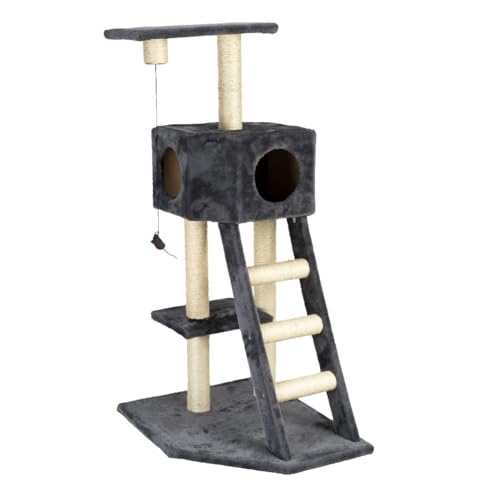
Once the kitten is comfortable with you, start expanding their world. Open the door to the safe room and let them explore one new room at a time. Keep a cat tree in that room so they have a high vantage point, cats feel safer when they can see the whole area. Introduce new sounds slowly, like a quiet TV show or the hum of a vacuum from another room. If they seem scared, go back a step. You can also use a cat water fountain to encourage drinking, the moving water often fascinates kittens and helps them relax in a new space. Always have an escape route, a hiding spot they can retreat to. Never trap them in a corner.
Handle with Care and Respect Boundaries
Touch is a big deal for a scared kitten. Start by offering your hand for them to sniff. If they rub against you, that is an invitation. Pet only under the chin or on the cheeks at first, avoid the belly and tail. Keep sessions short, just a few strokes, then stop. If they lean into your hand, you can try a little more. Never restrain them for petting. If you need to trim nails or brush them, wait until they are fully comfortable. Use a gentle cat deshedding brush only after they are relaxed with hand contact. Always pair handling with treats. If they squirm or flatten their ears, you pushed too far. Stop and try again later. Respecting their “no” builds more trust than any amount of forced cuddling ever could.
Common Mistakes to Avoid
- Moving too fast: Rushing the process can cause long-term fear. Let the kitten set the pace.
- Using punishment: Never yell, spray, or tap a scared kitten. It destroys trust and increases fear.
- Forcing interaction: Picking up a hiding kitten or cornering them teaches them that you are a threat.
- Ignoring body language: A tucked tail, flattened ears, or dilated pupils mean “stop.” Listen to them.
- Skipping vet visits: A scared kitten might have an underlying health issue. Ask your vet to rule out pain or illness if fear persists.
Socializing a scared kitten is a slow, beautiful process. Every small step, a sniff, a purr, a first nap in your lap, is a victory. You are not just teaching them to trust you, you are giving them a whole new view of the world. Stick with it, and you will end up with a cat who knows, deep down, that humans are safe.