It’s heartbreaking to watch a fish you care for start to fade, and even worse when it becomes a pattern. You add a new fish, it seems fine for a week, then it’s gone. Or maybe your long-time resident is suddenly listless, refusing food, and hiding. This isn’t just bad luck, it’s usually a sign that something in your tank environment or routine is off. Let’s walk through the real reasons fish die off and what you can do to stop it, starting today.
1. Check Your Water Quality First, Always
The number one killer of aquarium fish is poor water quality. Even if your tank looks clear, ammonia, nitrite, or nitrate spikes can be invisible to the naked eye. You need a liquid test kit (not strips, they are less accurate) to check levels. Ammonia and nitrite should be zero. Nitrate should be under 20 ppm for most freshwater fish. If you see any ammonia or nitrite, do an immediate partial water change (25 to 30 percent) and add a dechlorinator. Also, check your filter media; if it’s clogged or hasn’t been rinsed in tank water for a while, it could be causing a cycle crash. A consistent water change schedule, like 20 percent every week, is your best defense.
If you’re using tap water, let it sit out for 24 hours or use a dechlorinator. Chlorine and chloramines are toxic to fish gills and can cause sudden death.
2. Are You Overfeeding or Underfeeding?
Feeding mistakes are another common cause of fish dying off. Overfeeding leads to leftover food rotting on the substrate, which spikes ammonia and feeds harmful bacteria. Underfeeding can weaken your fish’s immune system, making them prone to disease. A good rule is to feed only what your fish can eat in 2 to 3 minutes, once or twice a day. If you travel or have a busy schedule, an WiFi fish feeder comparison can help you find a model that dispenses precise portions on a timer, so you never miss a meal or overdo it. For a more general pick, check out which automatic fish feeder is best for your tank size and fish species.
3. Stress From Tank Mates and Environment
Fish can die from chronic stress just like any other pet. Common stressors include aggressive tank mates, sudden temperature swings, loud noises, or too much light. If you see fish hiding, clamping their fins, or breathing rapidly, they are stressed. Make sure your tank has plenty of hiding spots like plants, caves, or driftwood. Also, check that your fish species are compatible; some fish are naturally territorial. A stressed fish is more likely to get sick, so keeping the environment calm is key. If you notice a fish being bullied, consider rehoming it or adding a divider.
4. Disease Outbreaks: What to Look For
If your fish are dying off one by one, a contagious disease could be spreading. Common signs include white spots (ich), fuzzy growths (fungus), red streaks on the body or fins, or a fish that looks bloated or has sunken eyes. Never add new fish to your main tank without quarantining them first for at least two weeks in a separate tank. If you suspect disease, start by raising the temperature a few degrees (if your fish can tolerate it) and adding aquarium salt. For specific symptoms, ask your local fish store or a vet who treats fish. Avoid adding medications blindly, as some can harm your filter bacteria or sensitive fish.
5. Equipment Failures and Hidden Toxins
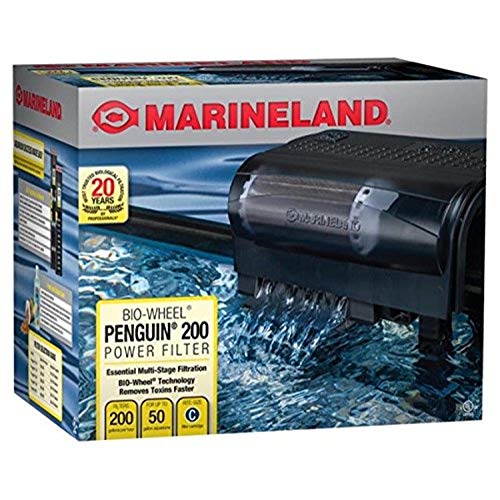
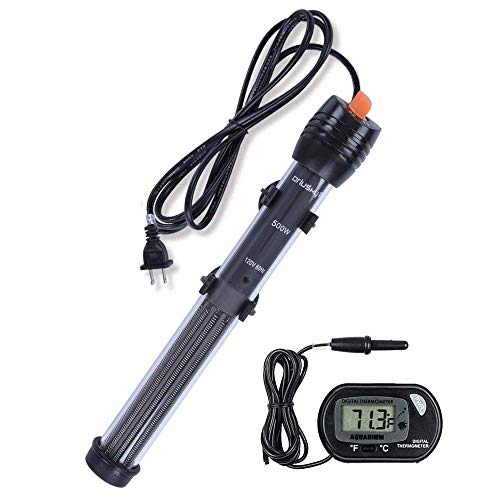
Sometimes the problem is mechanical. A heater that fails can cause a temperature crash, or a filter that stops working can lead to oxygen depletion. Check your equipment daily: is the heater light on? Is the filter flowing properly? Also, be aware of hidden toxins like copper from old pipes or pesticides from plants you add. If you use tap water, test for copper and other metals. A simple sponge filter or air stone can help boost oxygen levels, which is especially important in warm tanks or if you have a lot of fish.
“The fish that dies first is often the one telling you something is wrong with the whole system. Listen to the water, not just the fish.”
6. When to Start Over and How to Do It Right
If you’ve lost multiple fish and can’t pinpoint the cause, it may be time to break down the tank and start fresh. This isn’t failure, it’s a reset. Remove all fish, plants, and decor. Clean the tank with a vinegar solution (never soap), rinse thoroughly, and set it up again with new substrate and filter media. Cycle the tank for 4 to 6 weeks before adding any fish, using a liquid test kit to confirm ammonia and nitrite are zero. This is the most reliable way to break a cycle of death. Once your tank is stable, you can slowly add hardy, peaceful fish like danios or platies to test the waters.
Remember, every fish keeper goes through losses. The key is to learn from each one and adjust your routine. Keep a log of your water tests, feeding amounts, and any changes you make. Over time, you’ll develop an intuition for what your fish need, and the dying off will become a thing of the past.