Living with multiple cats can be a joy, but when hissing, swatting, and growling become the norm, it’s hard to feel at peace. You might wonder if your cats will ever get along, or if you made a mistake bringing another cat home. The truth is, most cat aggression isn’t about hate, it’s about fear and resource guarding. With a few deliberate changes to your home setup and routine, you can dramatically reduce tension and help your cats coexist calmly. This isn’t about forcing them to be best friends, it’s about creating an environment where everyone feels safe.
Understand the Root of the Aggression
Before you can fix the fighting, you need to know what’s driving it. Aggression in multi cat homes usually falls into a few common categories: territorial aggression (a cat feels its space is being invaded), redirected aggression (a cat sees something outside and lashes out at the nearest cat), or play aggression (rough play that escalates). Watch the body language. A cat with flattened ears, a puffed tail, or a low growl is not playing. If the aggression is sudden and intense, especially if it involves a cat who seems otherwise healthy, consider that an underlying health issue like pain or allergies might be making them irritable. For example, a cat dealing with constant itching from food sensitivities might be more on edge. You can learn more about how diet affects mood in the guide on signs of food allergies in cats, which can be a hidden trigger for grumpiness. Always rule out medical causes with your vet before assuming it’s purely behavioral.
Create Separate Safe Zones
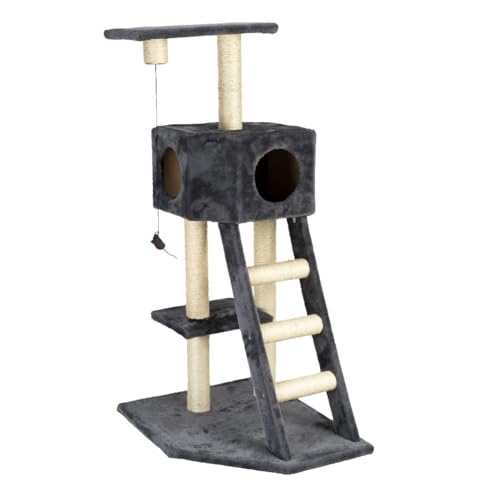
The single most effective step you can take is to give each cat its own territory. This doesn’t mean you need a mansion, it means using vertical space and room dividers. Set up at least one high perch or cat tree per cat so they can escape without being cornered. Place food bowls, water stations, and litter boxes in completely separate areas. A good rule is one litter box per cat, plus one extra, spread across different rooms. If cats have to pass each other to eat or use the bathroom, tension will build. If you notice one cat guarding a hallway or doorway, install a baby gate or a cat door that only one cat can fit through. This gives the more timid cat a safe escape route. Also, consider that stress from constant conflict can weaken a cat’s immune system, potentially worsening other issues like allergies or hairballs. Keeping the peace helps their overall health, and part of that is regular grooming. Check out the guide on how often to brush a cat prone to hairballs to reduce physical stress from grooming.
Cats have a much wider field of vision than humans, about 200 degrees. That means they can see a rival cat approaching from the side, which is why a sudden movement from the corner of the room can trigger a fight. Give them wide sightlines and plenty of warning before you interact.
Use Proper Introductions, Even for Established Cats
Many owners skip the slow introduction process when bringing a new cat home, and that mistake can cause months of conflict. But even if your cats have been together for a while and are now fighting, you can hit the reset button. Separate them into two rooms with a door between them. Swap bedding and toys so they get used to each other’s scent without direct contact. Feed them on opposite sides of the same door, starting far apart and slowly moving the bowls closer over several days or weeks. The goal is to associate the other cat’s presence with something good, like food. If you hear hissing, back up and go slower. This process can take a month or more, but it’s the most reliable way to rebuild trust. If one cat has allergies and is on a special diet, you need to be extra careful during this phase to avoid food stealing. You can read about safe meal planning in the guide on hypoallergenic cat diet homemade food to ensure each cat gets the right nutrition without conflict.
Reduce Resource Competition
Cats are natural solitary hunters, so sharing resources goes against their instincts. Even if they seem fine most of the time, competition for food, water, attention, or sleeping spots can trigger sudden aggression. Make sure every cat has its own food bowl, and place them far apart, ideally in different rooms. Use multiple water fountains or bowls in different locations. Provide at least two different types of resting spots (a window perch, a covered bed, a cardboard box) so each cat can choose a spot that feels safe. If you have a cat that is particularly possessive of you, give them separate one on one play sessions and cuddle time. This reduces jealousy and helps each cat feel secure in their bond with you. When you do feed treats or wet food, scatter them across a wide area so no single cat can guard the pile.
“Peace in a multi cat home isn’t about forcing friendship, it’s about designing a world where every cat feels they have enough.”
Interrupt Fights Safely and Redirect Energy
When a fight breaks out, never use your hands to separate them. You could get badly scratched or bitten, and the cats may redirect their aggression onto you. Instead, make a loud noise like clapping your hands or dropping a pillow, or throw a soft blanket over them to break their line of sight. Once they are apart, give them a cooling off period in separate rooms for at least 30 minutes. After the tension drops, redirect their energy into play. Use wand toys to engage them in chasing and pouncing, which mimics hunting and releases pent up frustration. Aim for two 10 to 15 minute play sessions per day per cat. A tired cat is a less aggressive cat. If one cat is constantly bullying another, consider using a pheromone diffuser like Feliway in the common areas. It releases a synthetic calming scent that can reduce anxiety and lower the frequency of fights. Just remember, these tools help but don’t replace the need for proper space and resources.
Know When to Call in a Professional
Sometimes, despite your best efforts, the aggression persists or escalates to the point where a cat is injured or stops eating. In those cases, it’s time to bring in a veterinary behaviorist or a certified cat behavior consultant. They can observe your home setup, watch the interactions, and create a customized plan. They may also recommend medication for severe anxiety, which can be a temporary bridge to help the cats learn to coexist. Never punish a cat for aggression, it will only increase their fear and make the problem worse. Instead, focus on building confidence and safety. If you notice that one cat is sneezing or showing signs of respiratory distress alongside the aggression, it could be related to environmental allergies. The guide on why does my allergic cat sneeze so much can help you identify if allergies are adding to your cat’s stress. Your vet can help connect the dots between physical discomfort and behavioral issues.