You walk into the living room and see your cat gnawing on a phone charger cable, or worse, the cord to your laptop. It is a terrifying sight, not just because of the cost of replacing electronics, but because biting cords can give your cat a serious electric shock, burn their mouth, or even be fatal. I have been there, and I know the panic. The good news is that you can break this habit with a few smart, practical changes around your home. Here is exactly how to stop your cat from biting cords, step by step, using methods that actually work.
Why Do Cats Chew on Cords in the First Place?
Before you can fix the problem, you need to understand why your cat is doing it. Most cats bite cords for one of three reasons. First, cords look and feel like string or vine, which triggers their natural hunting instinct to pounce and chew. Second, some cats find the texture of the rubber or plastic coating satisfying on their gums, especially when they are teething as kittens or dealing with dental discomfort. Third, and most common, your cat might be bored or under-stimulated. A cat that does not have enough playtime, climbing opportunities, or mental enrichment will often turn to cords as a way to burn off energy. If your cat is spending a lot of time on the floor near your desk, consider adding a vertical space like wall-mounted cat climbing shelves to give them a high perch that is far more interesting than a dangling cable.
Make Cords Taste and Feel Unappealing
The quickest fix is to make cords taste terrible. You can buy bitter apple spray or a similar pet-safe deterrent spray from any pet store. Spray it on every cord your cat has access to, and reapply it every few days until the habit fades. Another trick is to use a product like Grannick’s Bitter Apple, which is safe for cats but tastes awful. If you want a DIY option, a mix of water and a few drops of hot sauce can work, but test it on a hidden spot first to make sure it does not stain your cords. For cats that are especially persistent, you can wrap cords in a protective sleeve made of spiral cable wrap or flexible plastic tubing. This changes the texture from a smooth, chewable surface to a bumpy, unappealing one. Just be sure to leave some slack so the cord does not get pulled tight.
Some cats are drawn to cords because the plastic coating is made from animal-based fats or tallow, which can smell faintly like food to them. That is why bitter sprays work so well, they mask that scent with a taste cats hate.
Block Physical Access to Cords
If your cat keeps finding the same cords, you need to change the environment so those cords are out of reach. Use cord clips or adhesive cable management strips to bundle cords together and attach them to the back of furniture or along baseboards. This keeps them off the floor where your cat can bat at them. For cords that must stay visible, like the one to your lamp or computer, use a cord cover that is thick and rigid, like a split loom tubing. You can also run cords through PVC pipes or under a rug if the rug is not a tripping hazard. Another simple trick is to put a piece of double-sided tape on the floor near the cord. Cats hate the sticky feel on their paws, so they will avoid that area altogether. If you have a cat that loves to chew on cords near your desk, consider moving your cat’s food and water station to a different room to break the association between your workspace and their territory. A cat water fountain in another room can encourage them to drink elsewhere, reducing their time near your desk cords.
Redirect Their Energy With Better Alternatives
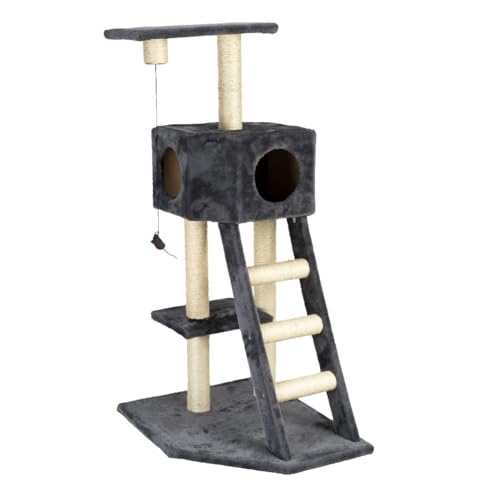
Your cat is chewing cords because they need to chew and play. Give them something better to sink their teeth into. Offer a variety of cat-safe chew toys, like rubbery teething sticks, soft plush toys with crinkle paper inside, or even a cardboard box they can shred. Interactive play sessions with a wand toy for 10 to 15 minutes twice a day can drain the hunting drive that makes them want to stalk cords. You can also hide treats inside puzzle toys so your cat has to work for their reward, which keeps their brain busy. If your cat is a climber, a tall cat tree placed near a window can give them a better view and a more interesting place to hang out than the floor where cords live. The goal is to make cords the least exciting thing in the room.
A tired cat is a cat that leaves your cords alone. Play with them until they flop, and you will both sleep better.
Use Deterrents That Work With Their Senses
Beyond taste and blocking, you can use other sensory deterrents. Cats dislike certain smells, such as citrus, lavender, or eucalyptus. You can apply a small amount of citrus essential oil diluted with water to a cloth and wipe the cord (but never use pure oil, as it can be toxic if ingested). A better option is to place a few drops of lemon juice on a cotton ball and tuck it near the cord. Another effective tool is a motion-activated air canister, like the Ssscat, which sprays a harmless burst of air when your cat gets near the cord. It startles them without hurting them, and most cats learn after one or two puffs. For cats that are especially determined, you can also use a pet-safe ultrasonic deterrent that emits a high-pitched sound only cats can hear when they approach a cord zone. These devices are safe and humane, but always test them at a low setting first.
When to See a Vet
If your cat is chewing cords obsessively, despite all your efforts, it could be a sign of a medical issue. Dental problems, like a loose tooth or gum disease, can make a cat seek out hard textures to chew on. Nutritional deficiencies, though rare, can also cause pica, which is the urge to eat non-food items. If your cat is also eating fabric, plastic, or dirt, or if they have lost weight or seem lethargic, make an appointment with your vet. They can check your cat’s teeth and run basic blood work to rule out underlying issues. In most cases, though, the solution is simpler: more play, better cord management, and a little patience. Your cat is not being naughty, they are being a cat. You just need to make cords boring and everything else exciting.