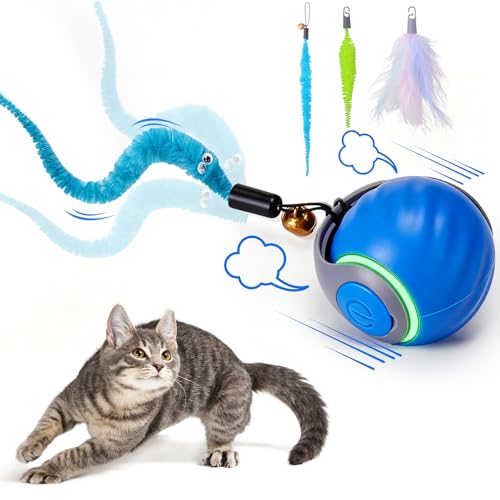
You love playing with your cat, but those sudden nips and chomps on your hand can turn a fun session into a painful one. It is not that your cat is mean, they are just practicing their hunting skills on the nearest moving target, which happens to be you. The good news is that you can teach your cat to keep their teeth to themselves without ruining the fun. Here is exactly how to stop your cat from biting when playing, with practical steps that actually work.
Understand Why Cats Bite During Play
Play biting is a natural part of a cat’s predatory sequence. When a kitten plays with their littermates, they learn bite inhibition: if they bite too hard, the other kitten yelps and stops playing. If your cat was weaned or separated too early, or if they never had proper playmates, they might not have learned this lesson. Your hand moving under a blanket looks exactly like a mouse to them. They are not trying to hurt you, they are just following their instincts. The key is to redirect that energy to something appropriate, like a wand toy or a cat scratching barrel that lets them pounce and claw without using your skin.
Use Toys as a Barrier Between You and Their Teeth
The single most effective change you can make is to never use your hands or feet as toys. When you wiggle your fingers to get your cat to pounce, you are teaching them that hands are fair game. Instead, always have a toy in your hand. Wand toys, feather teasers, and even a crumpled paper ball on a string keep your flesh out of reach. If your cat grabs your hand, freeze and offer a toy immediately. If they are especially mouthy, try a kicker toy they can wrap their front paws around and bite safely. For cats that love to chase, a cat scratching post placed near your play area can also serve as a launching pad for a pounce, giving them an approved surface to dig into.
Recognize the Warning Signs Before the Bite
Most cats give clear signals before they bite. You might notice their tail twitching, ears flattening, pupils dilating, or skin rippling along their back. That is the moment they are shifting from play to overstimulation. When you see these signs, stop moving your hand and redirect their attention to a toy that is a few feet away. If you wait until they have already latched on, you are too late. Learning your cat’s specific pre-bite signals is like learning a new language, and it makes playtime much safer.
Cats have a “love bite” that is completely different from a play bite. A love bite is gentle, does not break skin, and usually happens when they are purring in your lap. If your cat bites hard enough to hurt, it is not affection, it is a communication that they need a break or a different toy.
Stop the Game When the Biting Starts
This is the most important rule: if your cat bites you, the game ends immediately. Do not yell, do not pull your hand away quickly (that triggers their prey drive even more), and do not punish them. Simply go limp, say a calm “ow” or “no,” and walk away for at least 30 seconds. Leave the room if you have to. Cats learn fast that biting makes the fun stop. Consistency is everything here. If you sometimes let them bite and sometimes don’t, they will keep testing. Every single person in your home needs to follow the same rule.
Provide Enough Daily Play and Enrichment
A bored cat is a bitey cat. Cats need at least two good play sessions per day, each lasting 10 to 15 minutes, where they get to run, jump, pounce, and catch. Mimic a real hunt: move the toy like prey (fast, then slow, then hiding), let them catch it at the end, and then give them a small reward. A high-value treat like freeze-dried turkey cat treats after a successful “kill” satisfies their hunting cycle and reduces the urge to bite you later. Also make sure they have access to climbing spaces, window perches, and puzzle feeders. A tired cat is much less likely to see your ankles as prey.
Consider Calming Aids for Overly Anxious Cats
Some cats bite out of anxiety or overstimulation, not just play. If your cat seems constantly on edge, or if they bite even when you are not playing, they might need a little extra help. A calming diffuser kit can release synthetic pheromones that help your cat feel safe and relaxed. This is not a replacement for proper play habits, but it can lower their baseline stress so they are less reactive during play. If the biting is severe or accompanied by hissing, growling, or hiding, please talk to your vet. There could be an underlying medical issue like dental pain or arthritis that makes them irritable.
“Your cat is not trying to hurt you, they are trying to teach you how to play the game right. Listen to their signals and give them the right tools, and the biting will stop.”
What to Do If Your Cat Bites and Breaks Skin
If you get a bite that breaks the skin, wash the wound immediately with soap and warm water for at least five minutes. Apply an antiseptic and cover it with a clean bandage. Cat bites can get infected very quickly because their teeth are like needles that push bacteria deep into the tissue. If you notice redness, swelling, or warmth around the bite within 24 hours, see a doctor. For your cat, do not punish them after the fact, they will not connect the punishment to the bite. Instead, review your play routine and see where you could have redirected them earlier. If bites are frequent, consider using a toy like a cat backpack carrier for short outdoor adventures, which can burn off extra energy in a controlled way.