If you are reading this at 3 AM while your cat yowls outside your bedroom door, you are not alone. That piercing meow can feel like a personal alarm clock, but it is rarely about spite. Cats are naturally crepuscular (most active at dawn and dusk), and indoor cats often lack the outlets to burn that energy. The good news is that with a few targeted changes to your daily routine, you can teach your cat that nighttime is for sleeping, not singing. Here is exactly how to stop your cat from meowing at night, step by step.
Rule Out a Medical Cause First
Before you try any behavior fixes, make sure your cat is not in pain or discomfort. Senior cats especially may yowl due to cognitive dysfunction, vision loss, or conditions like hyperthyroidism. If your cat is also showing signs like excessive sneezing or skin irritation, check our guide on signs of food allergies in cats to see if an allergy could be contributing to restlessness. Always consult your vet for a full checkup if the meowing is new, loud, or accompanied by other symptoms.
Burn Energy With a Structured Play Session Before Bed
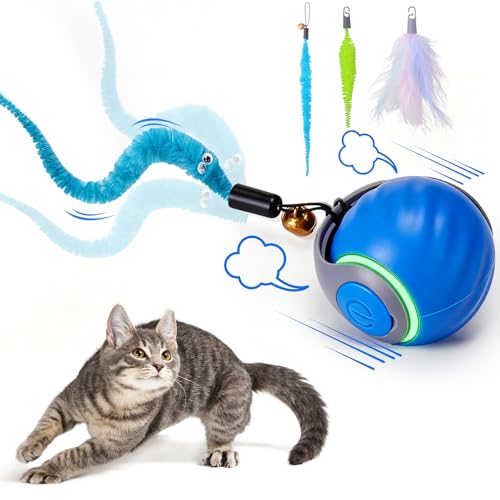
Your cat needs a good workout in the evening to mimic the hunt-catch-eat-sleep cycle. Spend 15 to 20 minutes playing with an interactive wand toy, letting your cat chase, pounce, and catch. The key is to get them panting (yes, cats can pant from exertion). After the play session, feed their largest meal of the day. A full belly triggers drowsiness. If your cat has skin sensitivities or allergies, a proper diet is crucial for their comfort, so read up on hypoallergenic cat diet homemade food if you suspect food triggers.
Ignore the Nighttime Meowing (Yes, Really)
This is the hardest part. If you get up, feed your cat, or even yell at them, you are rewarding the behavior. Cats learn fast: meow equals attention. Instead, wear earplugs, close your bedroom door, and wait for even five seconds of silence before you respond. If you absolutely must check on them, do it without eye contact or speaking. Consistency is everything. It may take a week or two of ignoring, but the meowing will decrease when it stops working.
Cats can make over 100 different vocal sounds, while dogs only make about 10. That midnight meow might just be your cat showing off their impressive vocabulary.
Provide Environmental Enrichment for Nighttime Boredom
A bored cat is a noisy cat. Set up a window perch with a bird feeder outside, leave out puzzle feeders with a few kibble, or rotate toys so they stay novel. Automatic laser toys or treat-dispensing balls can keep your cat occupied while you sleep. If your cat is prone to hairballs from grooming out of boredom, regular brushing can help. Check our guide on how often to brush a cat prone to hairballs to keep their coat healthy and reduce digestive upset that might cause midnight yowling.
Adjust Your Feeding Schedule
Many cats meow at night because they are hungry. Instead of free-feeding, offer a small, protein-rich meal right before your bedtime. Wet food is especially satisfying because it mimics the moisture content of prey. If your cat has a sensitive stomach or known allergies, a hypoallergenic diet can prevent discomfort that wakes them up. You can learn more about life expectancy of a cat with allergies to understand how managing their diet impacts their overall health and nighttime rest.
“A tired cat is a quiet cat. Play first, feed second, sleep third.”
Create a Safe and Cozy Sleep Space
If your cat sleeps in your room, make sure they have a designated spot that feels secure: a soft bed, a covered crate, or even a cardboard box. Keep the room dark and quiet. Some cats respond well to white noise machines or calming pheromone diffusers. If your cat is allergic to dust mites or certain fabrics, their sleeping area could be causing itchiness that leads to nighttime fussing. For guidance on keeping their skin comfortable, read our article on how often to bathe a cat with allergies.
When to Seek Help From a Vet or Behaviorist
If you have tried these strategies for three to four weeks with no improvement, it may be time for professional help. A veterinary behaviorist can rule out anxiety disorders or cognitive decline. Never punish your cat for meowing; it only increases stress and can make the behavior worse. Remember, your cat is not trying to ruin your sleep, they are just trying to communicate. With patience and a consistent routine, you can both get a good night’s rest.