You love your cat, but watching them rake their claws down your brand-new sofa can test that love. Before you get frustrated, know this: scratching is not your cat being naughty. It is a deep, instinctual behavior tied to marking territory, stretching muscles, and maintaining claw health. The good news is you can absolutely redirect this behavior without drama. Here is a straightforward, owner-to-owner guide to saving your furniture while keeping your cat happy.
Why Do Cats Scratch Furniture in the First Place?
Cats scratch for several reasons that have nothing to do with spite. They scratch to remove the dead outer sheath of their claws, to stretch their back and shoulder muscles, and to leave both a visual mark and a scent mark from glands in their paws. Your couch, especially if it has a textured fabric like linen or velvet, feels and smells perfect for this. It is also a prime location because it is where you spend time, making it a high-value territory marker. Understanding this helps you work with your cat, not against them.
Provide the Right Scratching Surfaces (And Make Them Irresistible)
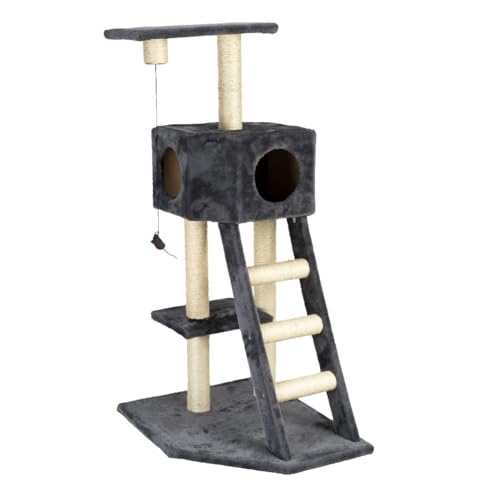
The single most effective step is offering a scratching post or pad that your cat actually prefers over the furniture. Cats have strong preferences: some love vertical posts (tall, sturdy sisal rope), others adore horizontal cardboard pads, and many like both. Place the post right next to the furniture they are targeting, at least temporarily. Make it even more appealing by rubbing catnip into the sisal or dangling a toy from the top. If you have a cat that is a climber, a tall, stable post is non-negotiable. For cats that scratch low on furniture, a flat cardboard or sisal mat works wonders.
Use Deterrents That Do Not Scare Your Cat
You want to make the furniture less appealing, not traumatize your cat. Avoid shouting, squirt bottles, or physical punishment, which can create fear and anxiety. Instead, use gentle deterrents. Double-sided sticky tape (like Sticky Paws) applied to the edges of your sofa is excellent because cats hate the sticky feel on their paws. You can also use furniture protectors made of clear vinyl or plastic that attach to corners. Another trick is to cover the area with a blanket or a fitted sheet temporarily, which removes the satisfying texture. Over time, as your cat uses the post consistently, you can remove these deterrents.
Trim and Maintain Those Claws Regularly
Blunt claws cause less damage, and regular nail maintenance reduces your cat’s urge to scratch as intensely. If your cat tolerates it, trim the very tip of each claw every two to three weeks using a proper cat nail clipper. For cats that are nervous about clippers, a cat nail grinder like the Dremel 7300-PT can be a low-stress alternative because it files the nail smoothly without the pinching sensation. Go slowly, reward with treats, and only do a few nails at a time. If your cat absolutely hates any handling of their paws, ask your vet or a professional groomer to demonstrate a safe technique.
Cats have scent glands between their paw pads. When they scratch, they are literally leaving a “this is mine” message. That is why your cat might scratch your couch after you come home from work, they are re-marking their territory with your scent mixed in.
Reduce Stress and Boredom (A Calm Cat Scratches Less)
Scratching can increase when a cat is stressed, bored, or under-stimulated. Make sure your cat has enough environmental enrichment: window perches, puzzle feeders, interactive play sessions, and safe hiding spots. A tired, content cat is less likely to obsessively scratch furniture. If your cat seems particularly anxious, a cat calming collar can help take the edge off by releasing gentle pheromones that mimic a mother cat’s natural comfort signals. These collars are drug-free and can be a simple tool during periods of change, like a move or new pet introduction.
Use Positive Reinforcement, Not Punishment
Every time you catch your cat scratching the post instead of the couch, give them immediate praise, a treat, or a quick play session. Cats learn fastest when they associate a behavior with a reward. If you catch them scratching the sofa, calmly pick them up and place them on the post, then reward them when they touch it. Never yell or chase them away, that teaches them to scratch only when you are not looking. Consistency is everything here. Within a week or two, most cats will choose the post if it is placed well and rewarded.
“Scratching is not a problem to be solved, it is a behavior to be redirected. Give your cat a better option, and they will almost always take it.”
Protect Your Furniture with Covers and Guards
While you are training, you need to physically protect the vulnerable spots. Corner protectors made of clear plastic or vinyl are great for sofa arms. You can also use furniture slipcovers, especially those made of tightly woven fabric that is harder to snag. For cats that love to scratch the back of the couch, a simple piece of sisal matting attached with clips or Velcro can turn that area into an approved scratching zone. This is a quick win that buys you time to establish better habits.
When to Consider a Professional or Vet Visit
If your cat suddenly starts scratching furniture excessively, especially if they are also over-grooming, hiding, or showing changes in appetite, it could be a sign of stress or a medical issue like arthritis or skin irritation. In those cases, a checkup with your vet is a good idea. They can rule out pain and offer guidance on behavior modification or, if needed, anti-anxiety support. For most cats, though, a combination of the right post, regular nail care, and a calm home environment will solve the problem.
Remember, your cat is not trying to destroy your belongings. They are just being a cat. With patience and the right setup, you can protect your furniture and keep your bond strong. Start with one or two of these tips today, and you will see a difference faster than you think.