You come home, drop your keys, and there it is: the chewed-up heel of your favorite sneaker, foam scattered across the floor. It is frustrating, expensive, and honestly, a little personal. But before you get mad, know this: your dog is not being spiteful. Chewing shoes is a natural, often deeply rooted behavior driven by scent, texture, teething, or boredom. The good news? You can absolutely stop it. Here is exactly how to redirect that urge and save your shoe collection.
Why Do Dogs Chew Shoes in the First Place?
Understanding the why is half the battle. Your shoes carry your scent, which is comforting to a dog. They also have interesting textures (laces, rubber soles, leather) and a satisfying give when chewed. For puppies, chewing soothes teething pain. For adult dogs, it can signal boredom, excess energy, or even anxiety. If your dog is a high-energy breed like an Australian Shepherd, they may need more mental stimulation than they are getting. A bored dog will find their own fun, and your shoe is an easy target.
Step 1: Manage the Environment (The 100% Fix)
The fastest way to stop shoe chewing is to make shoes inaccessible. This is not a punishment; it is management. Close closet doors, put shoes in a lidded bin, or keep them on a high shelf. If you have a puppy or a determined chewer, do not leave shoes on the floor for even a minute. This removes the opportunity to practice the bad habit, which is critical. While you are puppy-proofing, also consider their comfort. If your dog is prone to overheating after a play session, a cooling mat can help them settle down and relax, reducing the urge to chew out of restlessness.
Step 2: Swap the Shoe for a Better Chew
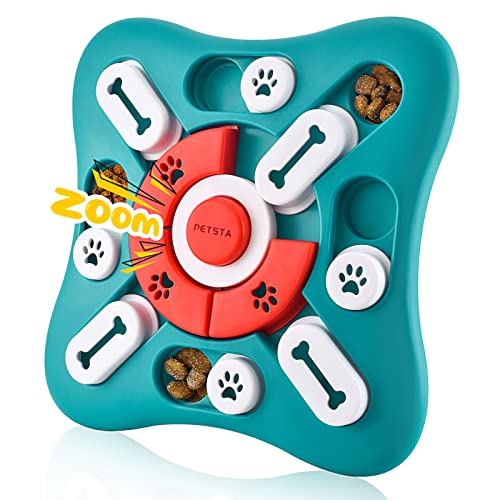
You cannot just say “no” and walk away. You must provide a legal alternative. When you catch your dog heading for a shoe, calmly take it away and immediately hand them a high-value chew toy. Keep a stash of these near the door or in the living room. Rotate them to keep them novel. For smart, working breeds like Australian Shepherds, puzzle toys are fantastic because they engage the brain and satisfy the need to work for a reward. A frozen Kong stuffed with yogurt or peanut butter is another excellent option that soothes gums and buys you quiet time.
Rub a new chew toy between your hands or on an old t-shirt before giving it to your dog. Your scent on the toy makes it more appealing than your shoe, because it is the toy that gets the reward of your smell.
Step 3: Increase Physical and Mental Exercise
A tired dog is a good dog. Many shoe-chewing problems stem from pent-up energy. If your dog is not getting enough walks, runs, or fetch sessions, they will find an outlet. Aim for at least 30 to 60 minutes of purposeful exercise daily, depending on breed. A quick walk around the block is often not enough. Add mental work: five minutes of training (sit, stay, touch) is as tiring as a long walk. For giant breeds like the Cane Corso, proper nutrition is also part of the equation. A well-fed dog on a balanced diet is less likely to develop pica or compulsive chewing. Check out the recommended dog food for Cane Corso puppies to ensure their growth needs are met, which can reduce stress-related behaviors.
Step 4: Address Anxiety and Boredom
Some dogs chew shoes specifically when left alone. This is often a sign of separation anxiety or deep boredom. If your dog only destroys shoes when you are gone, they may be self-soothing with your scent. Try leaving them with a long-lasting chew (like a bully stick in a holder) and a piece of your worn clothing that you do not mind getting slobbered on. You can also use a white noise machine or leave the TV on to mask outside noises. If the chewing is severe or accompanied by other anxious behaviors like pacing or drooling, talk to your vet or a certified behaviorist. They can help rule out medical issues and create a plan.
“A shoe is not a toy. But to a dog, it smells like you, and that makes it the best toy in the world. Your job is to make your scent mean something else.”
Step 5: Use Deterrents (But Only as a Backup)
Bitter apple sprays or citrus-based deterrents can work for some dogs, but they are not magic. Spray them on a few shoes and let them dry. Most dogs will taste it once and avoid it. However, some dogs actually like the taste. Test it on a cheap shoe first. Never spray the deterrent directly into your dog’s mouth. Also, do not rely on deterrents alone; they are a helper, not a solution. Combine them with management and better chews for the best results.
Step 6: Be Consistent and Patient
Breaking a chewing habit takes time. You will have setbacks. If you catch your dog chewing a shoe, interrupt with a clap or a firm “ah-ah,” then redirect to the correct toy. Praise them when they chew the toy. Do not yell or punish after the fact, even if you find a destroyed shoe hours later. Your dog will not connect the punishment to the past action, and it will only increase their anxiety. Stick with the plan for at least two to three weeks. If you are consistent, the behavior will fade. And remember, if your dog is a large breed with specific needs, like a Cane Corso, make sure you are meeting all their requirements. Learning more about their temperament can help, so read up on whether Cane Corsos are good family dogs to understand their drive and how to channel it properly.
If your dog swallows pieces of a shoe, it can cause a dangerous intestinal blockage. Signs include vomiting, lethargy, and loss of appetite. If you suspect your dog has swallowed shoe parts, contact your vet immediately. Prevention is always safer than treatment.