Stop German Shepherd puppy biting by redirecting every nip to a chew toy, using a calm yelp or a brief pause when teeth touch skin, and rewarding gentle mouths. Add plenty of exercise and mental work to burn energy, never use physical punishment, and call a professional trainer if biting is hard or shows aggression.
Why German Shepherd Puppies Bite and Mouth
Biting is normal puppy behavior, not a sign of a bad dog. German Shepherds are a working, herding breed, so the urge to grab and chase is wired deep. Knowing the cause helps you pick the right response.
- Teething: from roughly three to six months, sore gums make a puppy chew almost anything to relieve pressure.
- Play: puppies learn about the world with their mouths and play wrestle with littermates using teeth.
- Herding instinct: nipping at heels, ankles, and moving feet is a built in drive that needs an outlet, not suppression.
Teach Bite Inhibition First
Bite inhibition means your puppy learns to control how hard the mouth closes. Littermates teach this naturally, so your job is to continue the lesson. The goal early on is a soft mouth, then gradually no teeth on skin at all. A puppy who has learned to soften its bite is far safer for life.
The Yelp and Redirect Method, Step by Step
This is the core technique. Stay calm and consistent so your puppy reads the signal clearly.
- When teeth touch your skin, give one short, high yelp or a firm “ouch” to mark the moment.
- Stop all movement and play for two to three seconds so the fun pauses.
- Offer an approved chew toy right away and praise warmly when your puppy takes it.
- Resume gentle play once the mouth is on the toy, not on you.
- If the puppy keeps lunging at skin, calmly stand up and step away for ten to twenty seconds, then return.
Repeat every single time. Puppies learn through patient repetition, so the same response from everyone in the home speeds results.
Choose the Right Chew Toys
A teething German Shepherd needs durable outlets, and the right toy turns biting into a healthy habit.
- Tough rubber toys that can be stuffed with food for long, calming chewing.
- A clean wet washcloth frozen for a few minutes to soothe sore gums.
- Rope tugs for supervised play that satisfies the grab and pull urge.
- Toys sized for a large breed puppy so nothing can be swallowed.
Keep two or three toys within reach during play so redirection is instant. Rotate them every few days to keep interest high.
Time Outs Done Right
A time out removes the reward of attention, which is often the very thing driving the nipping. Use it as a gentle pause, never as a scary event. When your puppy bites too hard after a redirect, calmly say a cue word like “too bad” and leave the room or place the puppy in a safe pen for thirty to sixty seconds. Return quietly and give a fresh chance to play nicely. Short and boring beats long and dramatic.
What Not To Do
Some old methods make biting worse and can damage trust with a sensitive, intelligent breed.
- Never hit, smack, hold the muzzle shut, or pin your puppy down. Physical punishment raises fear and can trigger defensive biting.
- Do not yell or chase, since loud, fast reactions look like exciting play.
- Avoid rough hand wrestling, which teaches that hands are toys.
- Do not punish after the fact, because the puppy cannot connect it to the earlier bite.
Exercise and Mental Stimulation
Most heavy nipping comes from a bored, under exercised puppy with energy to burn. A tired German Shepherd is a gentle one.
- Give several short play and walk sessions across the day, suited to your puppy’s age and joints.
- Run daily training games like sit, down, and name recognition to tire the mind.
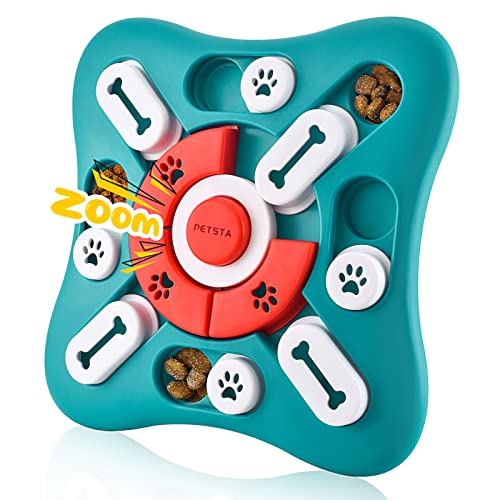
- Use food puzzles and snuffle mats so meals become enrichment.
- Teach a fetch or tug game that channels the herding drive into a legal target.
Mental work tires a smart breed as much as a long walk, so mix both.
When To Seek a Trainer
Most puppy mouthing fades by six to eight months with steady practice. Reach out to a certified, reward based trainer or behaviorist if biting gets harder over weeks, if your puppy growls, stiffens, or guards food and toys, or if the bites break skin or frighten children. Early help is easier and kinder than waiting, and a good trainer protects the bond between you and your dog.