If your kitten treats your fingers like a toy, you are not alone. Biting is one of the most common kitten behaviors, and it usually comes from play, not aggression. The good news is that with the right approach, you can teach your kitten to be gentle. This guide walks you through why kittens bite and gives you a step-by-step plan to stop it, all while keeping your bond strong.
Why Do Kittens Bite? It’s Not What You Think
Kittens bite for a few simple reasons. First, they are learning about their world. Their mouths are like their hands, and they explore by nibbling. Second, they are practicing hunting skills. Play that involves pouncing, stalking, and biting is how they would learn to catch prey. Third, they might be overstimulated or tired. Just like a toddler, a kitten can get cranky and lash out when they have had too much excitement.
Understanding this helps you see that biting is not “bad” behavior. It is a natural kitten behavior that needs gentle redirection. If you react with fear or punishment, you can actually make the biting worse. Instead, focus on teaching your kitten what is okay to bite and what is not.
Kittens learn bite inhibition from their mother and littermates. When one kitten bites too hard, the other yelps and stops playing. That is a signal to soften the bite. You can mimic this with a high-pitched “ouch” to teach your kitten to be gentle.
Immediate Responses That Stop the Bite in the Moment
When your kitten bites, your reaction matters. Yelling or pulling your hand away quickly can actually encourage more biting, because it mimics the movement of prey. Instead, try these calm, effective responses:
- Say “Ouch” softly. Use a high-pitched, gentle “ouch” or “no” to signal that it hurt. Keep it quiet, not scary. Then, immediately stop all interaction.
- Walk away. Leave the room or turn your back for 20 to 30 seconds. This teaches your kitten that biting ends playtime. They will learn that gentle play gets attention, but biting does not.
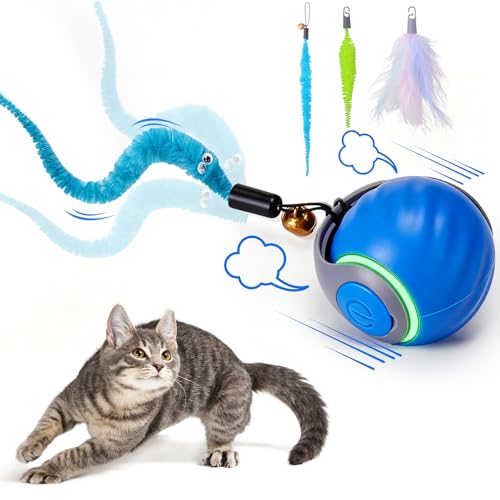
- Redirect to a toy. If your kitten is in a playful mood, offer a wand toy, a plush mouse, or a crinkle ball. Say “good” when they bite the toy, and praise them.
Consistency is key. Every time your kitten bites, use the same response. If you sometimes let it slide and sometimes react, your kitten will be confused and the behavior will continue.
Set Up Your Home to Prevent Biting
Your environment can make a big difference. If your hands are always near your kitten’s face, they will naturally bite them. Keep your hands away from their mouth during play. Use toys as a barrier. Also, make sure your kitten has plenty of appropriate things to chew and bite. Cardboard boxes, paper bags (with handles removed), and cat grass are great options.
If your kitten gets overly excited during petting, watch for warning signs like a twitching tail, flattened ears, or a sudden stillness. Stop petting before they bite. This is called “petting-induced overstimulation.” You can also create a calm space for your kitten, like a cozy bed in a quiet corner, where they can retreat when they need a break. A tired kitten is less likely to bite, so make sure they get plenty of physical and mental stimulation. Interactive play sessions with a wand toy for 10 to 15 minutes, a few times a day, can burn off that energy.
Teach Bite Inhibition: The Gentle Way
Bite inhibition is the skill of controlling how hard they bite. Even if your kitten never bites hard, it is important to teach them to be gentle. Here is a simple method:
- When your kitten bites gently, say “ouch” softly and stop playing.
- If they bite hard, say “ouch” and leave for a few seconds.
- Return and resume play. If they bite again, repeat.
Over time, your kitten learns that hard bites end play, but gentle mouthing does not. Eventually, they will learn to keep their teeth off your skin altogether. This is especially important if you have children or other pets, because a cat with good bite inhibition is safer for everyone.
Common Mistakes to Avoid
Many well-meaning owners accidentally reinforce biting. Avoid these common pitfalls:
- Using your hands as toys. Never wiggle your fingers or toes in front of your kitten. That teaches them that human body parts are playthings.
- Punishing your kitten. Hitting, spraying with water, or shouting will make your kitten fearful and can lead to more aggression. It also damages your bond.
- Ignoring the problem. Some kittens grow out of biting, but many do not. If you do not address it early, it can become a habit that is harder to break.
If your kitten is biting out of fear or aggression, not play, you might see hissing, flattened ears, or a puffed tail. In that case, give them space and consult a veterinarian or a feline behaviorist. Also, if your kitten is very young and separated from their mother too early, they may not have learned bite inhibition. You can help them by being patient and consistent.
When to Seek Extra Help
Most kitten biting is normal, but sometimes it signals a health issue. If your kitten suddenly starts biting more, or if they seem in pain, it is worth a vet visit. Also, if you have tried these techniques for a few weeks with no improvement, a professional can help. Your vet can rule out any medical causes and give you personalized advice. Remember, every kitten is different, and what works for one might not work for another. Be patient and kind to yourself and your kitten.
“The goal is not to stop all biting, but to teach your kitten that gentle play is more fun and gets more attention.”
As your kitten grows, their biting should naturally decrease. If you also have an allergic cat, you might be interested in how often to bathe a cat with allergies, as bathing can sometimes affect a cat’s mood and tolerance. Also, if your kitten has sensitive skin or allergies, they might be more irritable, so check for signs of food allergies in cats to rule that out. And if you are dealing with hairballs, regular brushing for a cat prone to hairballs can reduce discomfort, which might also reduce biting. Always keep your kitten’s overall health in mind, because a comfortable cat is a happy cat.
With time, consistency, and a lot of love, your kitten will learn to play gently. You are not just stopping a behavior, you are building a trusting relationship that will last for years. Enjoy this playful stage, because it goes by fast.