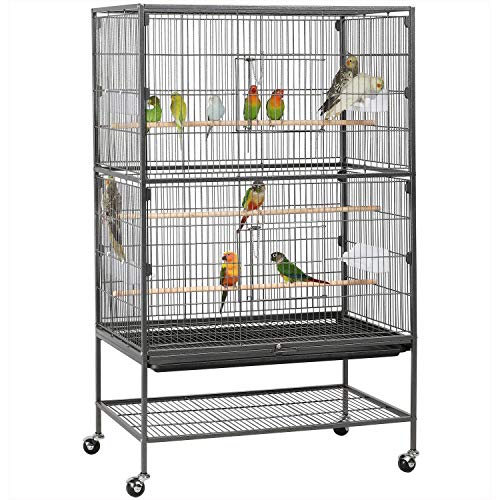
When your bird comes through an illness, seeing them pluck their feathers can be heartbreaking. You might feel a mix of relief that they survived and worry about the bare patches. But here is the hopeful truth: with patience, a calm environment, and a steady routine, you can help your bird feel safe again and gently guide them back to a healthier, happier state. Taming a feather-plucked bird after illness isn’t about quick fixes. It is about rebuilding trust one small step at a time, and understanding that your bird’s feathers are often a mirror of their inner wellbeing.
Start by Rebuilding Trust, Not Touching
After an illness, your bird may associate handling with stress, injections, or force-feeding. So, the first step is to let them see that you are a source of comfort, not stress. Sit near their cage and talk softly, read aloud, or just exist in their space without reaching in. Let your hand rest on the outside of the cage for a few minutes, several times a day. Watch their body language. If they lean away or fluff up nervously, give them more space. If they seem curious, you can slowly offer a favorite treat through the bars. This is not about physical taming yet. It is about showing them that your presence means safety. For more on the root causes of plucking, check out our guide on why my mynah bird plucks its feathers to understand what might be driving the behavior.
Create a Calm, Predictable Environment
Stress is a major trigger for feather plucking, and illness can leave your bird extra sensitive. So, look at their surroundings with fresh eyes. Is their cage in a high-traffic area? Are there loud noises or sudden movements? Move them to a quieter corner, but still where they can see you. Keep a consistent daily schedule for waking, feeding, and sleeping. Birds thrive on predictability, especially after a health scare. Also, make sure their cage is the right size and has plenty of perches and toys to keep them occupied. A bored bird is more likely to pluck. If you have a mynah bird, you might need to check the mynah bird cage size requirements to ensure they have enough room to move and stretch without feeling cramped.
Use Positive Reinforcement, Not Punishment
When your bird does something you like, even if it’s just sitting calmly without plucking, reward them with a small treat or a gentle word. Never scold them for plucking. Punishment only increases stress and makes the behavior worse. Instead, redirect their attention. If you see them starting to nibble at a feather, offer a toy or a foraging activity. You can also teach them a simple trick, like stepping up onto a perch, using a clicker or a consistent verbal cue. This builds their confidence and gives them a positive focus. Remember, taming is about building a relationship, not forcing compliance.
Support Feather Regrowth with Nutrition and Bathing
Healthy feathers start from the inside. After an illness, your bird’s body needs extra nutrients to recover and grow new feathers. Offer a high-quality pelleted diet, plus fresh vegetables and fruits. For mynah birds, a varied diet is especially important. You can learn more about what mynah birds eat to ensure you’re providing the right balance. Also, regular bathing helps soothe irritated skin and encourages preening, which can stimulate feather follicles. A gentle misting with lukewarm water a few times a week can work wonders. If your bird is hesitant, try a shallow dish of water or a gentle spray from a distance. For specific tips on bathing, see our guide on how to bathe a mynah bird.
Feather plucking can become a habit even after the original stressor is gone. That’s why it’s crucial to address both the physical and emotional aspects. Sometimes, just changing the texture of a toy or adding a new foraging puzzle can break the cycle.
Be Patient with Setbacks
Recovery is rarely a straight line. Your bird may have good days and bad days. They might regrow some feathers, then pluck again when they feel stressed. That’s normal. Don’t get discouraged. Instead, celebrate the small victories, like a day without plucking or a new interaction. If you notice a sudden increase in plucking, or if the skin looks red or irritated, contact your vet. There could be an underlying medical issue that needs attention. Always keep your vet in the loop about your bird’s behavior, especially after an illness.
“Trust is built in the quiet moments, not in the grand gestures. Your consistent presence is the greatest medicine.”
When to Seek Extra Help
If your bird’s plucking continues despite your best efforts, or if they seem depressed, lethargic, or stop eating, don’t hesitate to reach out to an avian veterinarian. They can rule out medical causes and may suggest behavior modification techniques or even medication in severe cases. Also, consider consulting an avian behaviorist who can offer personalized strategies. Remember, you are not alone in this. Many bird owners have successfully helped their feathered friends recover from plucking. It just takes time, love, and a lot of patience. And if you’re curious about your bird’s long-term health and happiness, you might also enjoy reading about mynah bird lifespan to understand what to expect as they age.