Bringing home a new guinea pig is exciting, but if your little one spends most of the day hiding or freezes when you approach, it can feel discouraging. The truth is, guinea pigs are prey animals, and being scared is their default survival mode. The good news? With the right approach, you can turn that fear into trust. Taming a scared guinea pig isn’t about force, it’s about patience, predictability, and a whole lot of tasty veggies. Here’s exactly how to do it, step by step, in a way that respects your pet’s natural instincts.
Set Up the Right Environment First
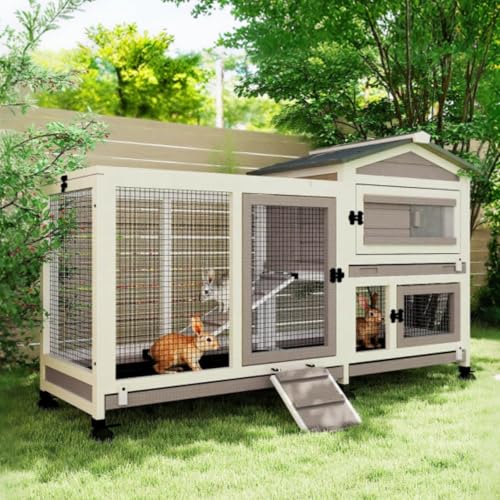
Before you even try to touch your guinea pig, make sure their home feels safe. A scared guinea pig needs plenty of hiding spots, like tunnels, fleece caves, or small wooden houses. A spacious cage is also crucial, cramped quarters stress them out. Check the Silkie Guinea Pig Cage Size Requirements: A Quick Guide for minimum space recommendations, though the same principles apply to any breed. Place the cage in a quiet area of your home, away from loud noises, sudden movements, and other pets. Let your guinea pig have at least 48 hours to explore and settle in without any handling. During this time, just sit near the cage and talk softly so they learn your voice means no danger.
Start with Hand-Feeding and Gentle Voice
Once your guinea pig is eating and moving around normally, it’s time to build a positive association with your hands. Sit by the cage and offer a small piece of bell pepper, a cilantro sprig, or a dandelion leaf through the bars. Hold it still and let them come to you. If they run away, don’t chase. Just wait quietly. After a few days, open the cage door and offer the treat from your flat palm. Let them nibble without trying to pet them. Talk to them in a calm, steady voice every time you approach. This is the foundation of trust. Remember, a healthy diet also supports a calm mood. For a full list of safe foods, see What Do Silkie Guinea Pigs Eat? What to Know, which applies to all guinea pigs.
Gradual Touch: From Chin to Back
After a week or two of successful hand-feeding, you can begin gentle touch. Start by softly stroking their chin or the side of their cheek while they eat. Guinea pigs often enjoy chin scratches more than back rubs at first. If they flinch or freeze, pull back and try again later. Once they accept chin touches, slowly move your hand to their shoulders and then their back. Always approach from the front, never from above, as that mimics a predator attack. Keep sessions short, just 2 to 3 minutes, and always end on a positive note with a treat. If your guinea pig has long hair, like a Silkie, you’ll need to be extra careful during grooming. Learn the right techniques in How Often To Groom A Silkie Guinea Pig? What to Know to avoid causing stress during coat care.
Guinea pigs are very sensitive to temperature. A cold room can make them lethargic and less willing to interact. Keep their environment between 65 and 75 degrees Fahrenheit. For specific guidance on long-haired breeds, read Silkie Guinea Pig Temperature Needs Explained.
Lap Time: The Big Step
Once your guinea pig is comfortable being petted in the cage, you can try lap time. The best method is the “towel burrito” approach. Place a soft towel on your lap, then gently scoop your guinea pig with both hands, supporting their back and bottom. Wrap them loosely in the towel so they feel secure. Offer a favorite vegetable like a baby carrot or a piece of cucumber during the session. Start with just 5 minutes, and gradually increase as they relax. If they try to jump, hold them gently but securely against your chest. Never let them fall, as that can seriously injure them and set back your progress. Speak softly the whole time. Lap time is also a great opportunity to check for any signs of illness, such as crusty eyes or labored breathing. For a checklist of what to watch for, see Understanding Signs Of Illness In Silkie Guinea Pigs.
Understanding and Working with Fear Behaviors
Your guinea pig might chatter their teeth, freeze, or even make a low purring sound. Teeth chattering can mean annoyance or fear, not happiness. If you hear it, back off and give them space. Freezing is a natural defense, they are hoping you won’t see them. Don’t interpret this as calmness. A relaxed guinea pig will explore, popcorn (jump in the air), and make soft wheeking sounds. If you’re unsure about a specific behavior, check out Why Does My Silkie Guinea Pig Chatter Teeth? for more context on this common sound. The key is to move at your guinea pig’s pace. Some take a few weeks, others a few months. Never punish or yell at a scared guinea pig, it will only deepen their fear.
Trust is built treat by treat, not grabbed in a single moment. Let your guinea pig choose to come to you.
Consistency and Long-Term Bonding
Taming is not a one-time project, it’s an ongoing relationship. Spend time near the cage every day, even if you don’t handle them. Read aloud, hum, or just sit quietly. Guinea pigs thrive on routine, so feed them and interact at the same times each day. If you have children, make sure they understand the rules: no chasing, no loud noises, and always let the guinea pig come to them. Silkies, in particular, are known for their calm temperaments, but they still need gentle handling. For more on whether they suit a family, read Are Silkie Guinea Pigs Good Pets For Kids? What to Know. As your bond deepens, you’ll notice your guinea pig wheeking when you enter the room or coming to the cage door for treats. That’s the moment it all pays off. Remember, if you ever notice signs of illness like weight loss, lethargy, or discharge, consult a veterinarian who specializes in small animals. A healthy guinea pig is a happy, trusting one.