Fetch is more than just a game, it is a fantastic way to bond with your dog, burn off energy, and reinforce basic obedience. Whether you have a high-drive working breed or a laid-back couch potato, almost any dog can learn to fetch with the right approach. The secret is to make the game feel like a fun partnership, not a chore. In this guide, we will walk you through the exact steps to teach your dog to fetch, from choosing the right toy to fixing common problems like dropping the ball too soon.
Step 1: Pick the Perfect Toy for Your Dog
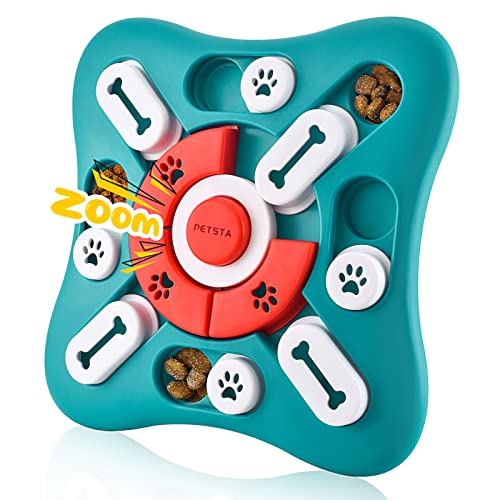
Not every dog cares about a tennis ball. Some prefer a soft plush toy, others want something that squeaks, and many love a frisbee. Watch what your dog naturally chases or carries around the house. For breeds that love to work their brains, like Australian Shepherds, a puzzle toy that doubles as a fetch object can be a great starting point. The toy should be easy for your dog to pick up and carry, not too heavy or awkward. If your dog is not interested in the toy you pick, switch it up. The goal is to make the object itself exciting.
Step 2: Build Excitement for the Chase
Before you throw anything, get your dog hyped about the toy. Wiggle it on the ground, roll it past their nose, or let them sniff it. Say a cue like “Ready?” in a high, happy voice. Then toss the toy just a few feet away. If your dog runs after it, praise them wildly. If they just look at you, try again with more animation, or use a toy that makes noise. The chase is the easiest part for most dogs, especially high-energy breeds like Australian Shepherds, who often have a natural instinct to pursue moving objects. If you have a breed that is more independent, like a Cane Corso, you might need to build more drive by using a toy with a flirt pole first.
Step 3: Teach the Pickup and Hold
Many dogs will run to the toy but then just stare at it. To teach the pickup, start close. Place the toy right in front of your dog’s nose. When they open their mouth to sniff it, say “Take it” and give a treat. Gradually move the toy a few inches away so they have to step forward to grab it. Once they reliably pick it up on cue, you can start tossing it a short distance. If your dog picks it up but drops it immediately, do not punish them. Instead, reward them the instant their mouth touches the toy, then build up to holding it for one second, then two, then three.
Step 4: The Return, the Hardest Part
Getting your dog to bring the toy back to you is where most owners get stuck. The trick is to make you more interesting than the toy. When your dog has the toy, call them in a happy voice, pat your legs, or even run away a few steps to trigger their chase instinct. If they come toward you, back away so they keep moving your direction. When they get close, offer a high-value treat right at your feet. As they drop the toy to eat the treat, say “Drop it” or “Give.” Do not grab the toy from their mouth, let them choose to release it. Over time, they will learn that bringing the toy back leads to a reward and another throw.
If your dog refuses to return the toy, try using two identical toys. Throw one, and when they grab it, show them the second toy and toss it a few feet away. They will often drop the first to chase the second. This builds a natural retrieve cycle without any frustration.
Breed-Specific Fetch Tips
Different breeds have different fetch styles. Herding dogs like Australian Shepherds often want to chase but may want to circle instead of returning directly. They are also prone to getting obsessed, so keep sessions short and use a release cue like “All done” to prevent overstimulation. For giant breeds like Cane Corsos, fetch can be a great low-impact exercise, but be careful with high-speed turns on slippery floors. Use a soft, bouncy toy to protect their joints. If your Cane Corso is not food motivated during fetch, try using a favorite toy as the reward itself. And remember, a tired dog is a happy dog, but make sure they are eating well to support all that activity. Check out the high-protein picks for Cane Corsos to keep their energy levels steady.
Fetch is not about the ball, it is about the joy of bringing something back to someone you trust.
Troubleshooting Common Fetch Problems
My dog runs after the toy but never brings it back.
This is the most common issue. Stop chasing your dog. Instead, sit down and ignore them. When they get bored and come closer, praise them. You can also use a long line (a light leash) to gently guide them back to you. Never punish them for not returning, it will make them avoid you.
My dog drops the toy before reaching me.
This usually means they are not getting a big enough reward for holding it. Start by rewarding them for holding the toy for just one step toward you, then two, then three. Use a treat they only get during fetch, like small pieces of chicken or cheese.
My dog loses interest after two throws.
Some dogs have a short attention span for fetch, especially puppies. Keep sessions to just a few minutes. You can also try hiding the toy and letting them “find” it as a variation. For smart breeds like Australian Shepherds, mixing in a puppy-specific food that supports brain development can help them stay focused during training.
Safety and Gear for Fetch
Always use a toy that is appropriate for your dog’s size and chewing style. Avoid hard plastic or small balls that could be swallowed. For dogs that play fetch on hard floors, consider a soft, fabric-based toy to protect their teeth. If you play fetch outside, make sure your dog is well-hydrated. Using a raised bowl at home, like the best dog bowls for Cane Corsos, can encourage better posture and digestion after active play. Watch for signs of overexertion, such as heavy panting, drooling, or lying down. If your dog seems sore or limps after fetch, give them a rest day and consult your vet if it persists.