Teaching your dog to sit is one of the first and most rewarding skills you can share together. It’s the gateway to better communication, calmer greetings, and a stronger bond. Whether you have a bouncy puppy or a rescue adjusting to home life, this cue is simple to teach with the right approach. Let’s walk through it step by step, with real techniques that work for any breed, from a high-energy Australian Shepherd to a gentle giant like a Cane Corso.
Why Start with Sit?
Sit is a natural position for dogs, and it’s a polite one. It helps your dog learn self-control, especially before meals, walks, or greeting people. When your dog sits, they are calm and focused, which makes it easier to teach other cues like stay or down. It also keeps your dog safe in moments when you need them to pause, like at a curb or when the doorbell rings.
What You Need Before You Start
Gather a few things to set up for success. Use small, soft treats your dog loves, cut into pea-sized pieces. Pick a quiet space with few distractions, like a living room corner. Keep sessions short, two to five minutes, and always end on a happy note. If your dog is food-motivated, you are already ahead. But if they are more toy-driven, use a favorite squeaky toy as the reward instead.
The Lure Method: Step-by-Step
This is the most effective and gentle way to teach sit. Here is how to do it:
- Stand in front of your dog with a treat held in your closed hand, letting them sniff it.
- Slowly lift the treat up and slightly back over their nose, toward the top of their head. Your dog’s nose will follow the treat, and their bottom will naturally lower into a sit.
- The moment their rear end touches the floor, say a marker word like “yes” or click a clicker, then immediately give them the treat.
- Practice this five to eight times, then take a break. Repeat for a few sessions each day.
If your dog backs up instead of sitting, try luring closer to their nose or practice against a wall so they have nowhere to go but down. Some dogs, especially deep-chested breeds like a Cane Corso, may need a slightly lower hand motion. If you have a large breed, check out our guide on reducing neck strain with the best dog bowls for Cane Corsos, as proper feeding posture supports comfort during training.
Adding the Verbal Cue
Once your dog reliably sits from the hand lure, it’s time to add the word “sit.” Say the word just before you lift the treat, not after they sit. After several repetitions, your dog will start to associate the sound with the action. Gradually phase out the treat in your hand, but keep rewarding with a treat from your pocket or a dish. Always reward the first few sits in a new location so your dog understands the cue applies everywhere.
Dogs learn best in short bursts. A 2018 study from the University of Veterinary Medicine Vienna found that dogs retain cues better when training sessions are under five minutes and spread across the day. So three one-minute sessions beat one long drill every time.
Troubleshooting Common Problems
Sometimes a dog just won’t sit. Here is what to check:
- Too distracted. Move to a quieter room or use higher-value treats like bits of chicken or cheese.
- Pain or discomfort. If your dog seems reluctant to lower their rear, especially older dogs or breeds prone to hip issues, have your vet check them. Never force a sit physically.
- Confused by the lure. Try moving the treat slower or holding it closer to their nose. Some dogs need a tiny pause before the lift.
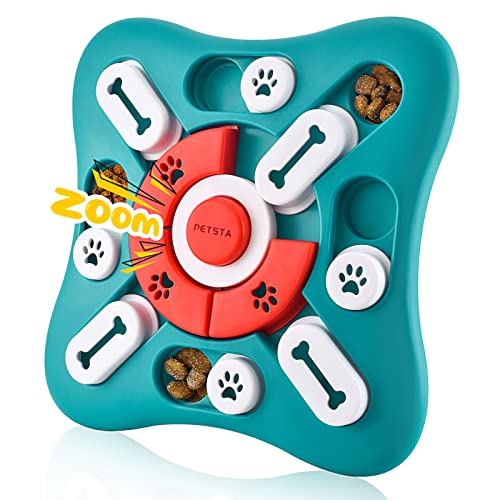
- Breed-specific quirks. Herding breeds like Australian Shepherds may try to back up or spin instead of sitting. Use a wall or corner to guide them. For these smart dogs, mental stimulation is key, and puzzle toys for Australian Shepherds can help channel their energy between training sessions.
“A sit is not just a trick, it’s a conversation. Your dog is saying, ‘I’m ready to listen.'”
Generalizing the Cue: Sit in Real Life
Once your dog sits reliably at home, practice in different places: the backyard, a quiet park, or while waiting for their dinner. Ask for a sit before opening the door, before putting down their food bowl, and before clipping on the leash. This builds a habit of politeness. If you have a breed that eats fast, using a slow feed dog bowl for Australian Shepherds can also encourage calm behavior at mealtime, reinforcing the patience you are teaching.
When to Move On to Other Cues
After your dog sits reliably on cue in multiple settings, you can build on that foundation. Use the sit to teach stay, down, or a polite greeting. Keep training positive and always end with a win. If your dog is struggling, go back a step. There is no rush. The goal is a happy, confident dog who loves learning with you.