You ask your dog to stay, take one step back, and they pop up like a jack-in-the-box, tail wagging, ready to follow. It is frustrating, but it is also normal. Teaching a reliable stay is not about forcing your dog to freeze in place, it is about building a shared understanding that staying put is worth their while. Whether you have a bouncy puppy or a stubborn adult, this guide breaks down the process into clear, practical steps that actually work in real life, not just in a training class.
Start with a Solid Foundation: Sit and Focus
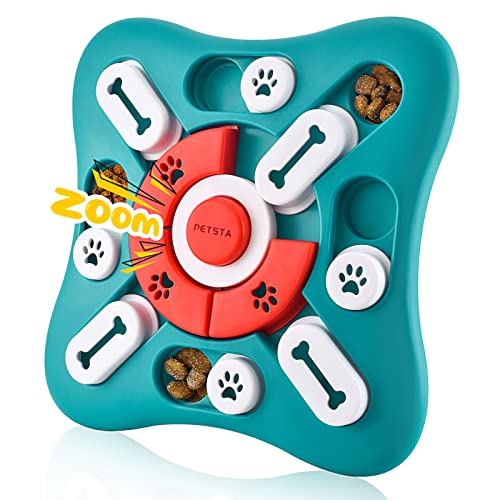
Before you can teach stay, your dog needs to understand a basic sit command and be able to hold it for at least a few seconds. If your dog is still learning to sit, spend a few sessions reinforcing that first. Once they can sit on cue, ask for a sit in a low-distraction area like your living room. Hold a treat at your dog’s nose level, say “sit,” and mark the moment their rear hits the floor with a calm “yes” or a click. This sets the stage for stay because the dog is already in a position where they are less likely to bolt. For high-energy breeds like Australian Shepherds, mental focus is key, and using puzzle toys for Australian Shepherds before a training session can help burn off excess energy so they can concentrate better.
The Three Ds of Stay: Duration, Distance, and Distraction
The stay command is built on three variables: duration (how long they hold it), distance (how far you move away), and distraction (what is happening around them). The golden rule is to change only one variable at a time. If you increase distance, keep duration short and distractions low. If you add a distraction, stay close and keep the stay brief. This prevents your dog from failing and getting confused. Start with duration first: ask for a sit, say “stay” in a calm, low voice, and hold up a flat palm like a stop sign. Wait one second, then reward. Gradually stretch that to three seconds, then five, then ten. If your dog breaks the stay, simply reset them without scolding, just ask for a sit again and try a shorter duration.
“A stay is not a test of will, it is a conversation where both of you agree on the plan.”
Add Distance Slowly, Step by Step
Once your dog can hold a stay for ten seconds in a quiet room, you can start adding distance. Ask for a sit and stay, then take one small step back. If your dog stays, step back to them, reward, and release with a cheerful word like “free” or “okay.” If they break the stay, you moved too far too fast. Go back to half a step or simply lean your body away without moving your feet. Over several sessions, work up to two steps, then three, then a full room length. For larger, more stubborn breeds like Cane Corsos, patience is critical. These dogs are independent thinkers, and rushing distance can lead to them deciding the command is optional. Keeping their environment comfortable, such as using a raised dog bowl for Cane Corsos to reduce neck strain during meal breaks, can help maintain a calm routine that supports training consistency.
Handling Distractions Without Losing Your Cool
Distractions are the real test. Start small: have a family member walk slowly across the room while your dog is in a stay. If your dog holds, reward heavily. If they break, reduce the distraction (have the person stand still instead) or shorten the duration. Never punish a broken stay, just reset and try an easier version. Real-world distractions like a dropped piece of food or a doorbell can be practiced by setting up controlled scenarios. For example, have a helper ring the doorbell while your dog is in a stay at a distance. Reward calmness, not excitement. If your dog is a breed prone to herding or guarding instincts, like an Australian Shepherd, you might need extra patience. These dogs are wired to move, so teaching stay is actually teaching them to override a strong instinct. Using high-quality food for Australian Shepherd puppies with good protein levels can support their brain development and focus during training sessions.
When you release your dog from a stay, always return to them first before giving the release word. If you call them to you from a stay, they learn that breaking toward you is rewarding, which can make the stay weaker. Returning to them reinforces that staying put is what earns the reward, not running to you.
Common Mistakes and How to Fix Them
One of the biggest mistakes owners make is using the word “stay” over and over. If you say “stay, stay, stay” while your dog is already moving, the word becomes meaningless. Say it once, clearly, and then be quiet. Another mistake is releasing the dog too early. If you release them every time you return, they may anticipate the release and break early. Vary the duration randomly, sometimes reward and release, sometimes reward and ask for another stay. Also, avoid bending over your dog, looming over them can feel intimidating. Stand tall and use your hand signal at chest level. For breeds like Cane Corsos, who are large and powerful, a solid stay is essential for safety. Before you even start stay training, it is worth reading up on breed traits to understand your dog’s temperament. Our guide on whether Cane Corsos are good family dogs can give you insight into their loyalty and training needs, which directly affects how you approach commands like stay.
Proofing the Stay for Real Life
Once your dog can hold a stay for 30 seconds with you across the room and mild distractions, it is time to proof it in different environments. Practice in your backyard, on a quiet sidewalk, at a friend’s house, and eventually at a park during low-traffic hours. Always set your dog up for success. If the environment is too exciting, go back to a shorter duration and closer distance. The goal is not perfection on the first try, it is building a reliable habit. For Australian Shepherds, who thrive on mental challenges, proofing stay in new places can be a fun game. Pair it with a puzzle toy reward afterward to make the training session feel like a win. For Cane Corsos, proofing stay is about building trust. These dogs are naturally protective, and a strong stay command can prevent them from reacting to a perceived threat. Keep sessions short, five to ten minutes, and always end on a success. If your dog is struggling, take a break and try later. Consistency over weeks, not hours, is what creates a rock-solid stay.