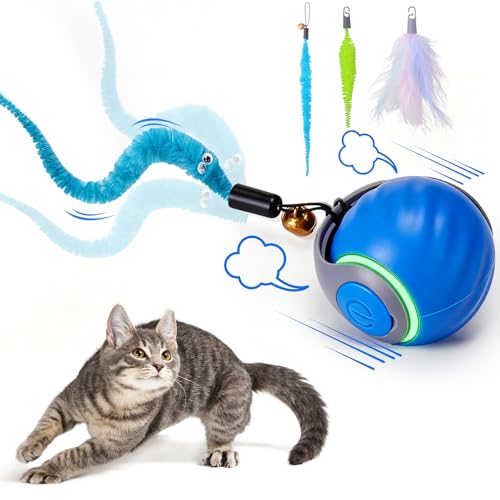
If your cat is using your sofa, curtains, or carpet instead of a scratching post, you are not alone. Scratching is a natural, instinctive behavior for cats, not a sign of mischief. They do it to mark territory, stretch their muscles, and keep their claws healthy. The good news is that with a little patience and the right strategy, you can redirect that energy to a scratching post and save your furniture. Here is exactly how to do it, step by step.
Choose the Right Scratching Post for Your Cat
Not all scratching posts are created equal. Cats have strong preferences for texture, height, and stability. A flimsy post that wobbles will scare your cat off, while a sturdy, tall one invites them to stretch fully. Look for a post that is at least as tall as your cat when they stretch on their hind legs, ideally 32 inches or more. The material matters too: sisal rope is a top choice because it offers a satisfying, rough texture that mimics tree bark. Avoid carpet-covered posts, as they can confuse your cat into thinking carpet is okay to scratch. If your cat is a horizontal scratcher, consider a flat cardboard or sisal mat. For extra motivation, you can place a favorite toy near the post. And if you are looking for ways to make grooming easier, a Cat Nail Grinder Expert Pick: Dremel 7300-PT for Low-Stress Grooming can help keep claws short and reduce damage around the house.
Place the Post in the Right Location
Location is everything. Cats scratch to mark their territory, so place the post near high-traffic areas where your cat already spends time, such as near their favorite sleeping spot, by a window, or close to the couch they are already scratching. Do not hide the post in a corner or basement. If your cat is scratching a specific piece of furniture, put the post directly in front of it for a few weeks, then slowly move it a few inches each day to a more convenient spot. This gradual shift helps your cat accept the new target. If your cat is anxious, a 5 Best Cat Calming Collars (2026): Top Picks Compared might help reduce stress-related scratching, but always pair it with proper post training.
Make the Post Irresistible with Positive Reinforcement
Your cat needs to associate the post with good things. Use treats, praise, and play to create a positive connection. Start by rubbing a bit of catnip into the sisal rope or dangling a wand toy near the post to encourage your cat to swat and scratch. When they touch the post, even accidentally, immediately give them a treat and say something like “good scratch!” in a happy voice. Never force their paws onto the post, as this can create fear. Instead, let them explore at their own pace. If your cat is a food-motivated, you can also place a few treats on the base or a nearby elevated surface. For mealtime, consider using Need Elevated Cat Bowls? Our 5 Top Picks to create a comfortable feeding station near the post, reinforcing the area as a safe, positive zone.
Redirect Scratching from Furniture to the Post
When you catch your cat scratching the couch, do not yell or punish them, that only increases anxiety and can make the behavior worse. Instead, calmly clap your hands or make a soft noise to interrupt them, then gently pick them up and move them to the scratching post. Guide their paws to the sisal and let them scratch. If they do, reward them immediately. For persistent furniture scratching, you can use double-sided tape or aluminum foil on the furniture as a temporary deterrent, since cats dislike the texture. Just make sure the post is more appealing by comparison. Consistency is key: every time you see the behavior, redirect and reward. Over time, your cat will learn that the post is the only acceptable place to scratch.
Cats have scent glands in their paws, so when they scratch, they are leaving both a visual mark and a chemical signal. This is why they often return to the same spot: it is their way of saying “this is mine.” A scratching post satisfies that deep instinct.
Use Play and Routine to Reinforce the Habit
Cats are creatures of habit, so incorporating the scratching post into playtime and daily routines helps cement the behavior. After a nap or a meal, cats naturally want to stretch and scratch. Use that moment to gently guide them to the post. You can also attach a toy to the top of the post or dangle a feather wand near it to encourage active scratching. If your cat is an outdoor explorer, you might also consider a 5 Best Cat Harnesses for Walking in 2026: Top Picks for a Secure Fit for supervised outdoor adventures, which can reduce indoor scratching by burning off excess energy. The key is to make the post a fun, regular part of your cat’s day.
What to Do If Your Cat Still Ignores the Post
If your cat is not taking to the post, do not give up. First, check the post for stability or texture issues. Try a different material, such as corrugated cardboard or a different sisal weave. Some cats prefer horizontal scratching, so a flat cardboard scratcher might work better. You can also try a different location, perhaps near a window with a bird feeder outside. If your cat is older or has joint issues, a lower, more accessible post might be needed. For cats with digestive sensitivities that affect their mood, a Cat Probiotic Supplement Guide: Top 5 Picks for 2026 could help improve overall well-being, but always consult your vet before adding supplements. Remember, every cat is different, and patience is your best tool.
“Scratching is not a problem to solve, it is a behavior to understand and redirect.”
With time, consistency, and a little creativity, your cat will happily use their scratching post, and your furniture will thank you.