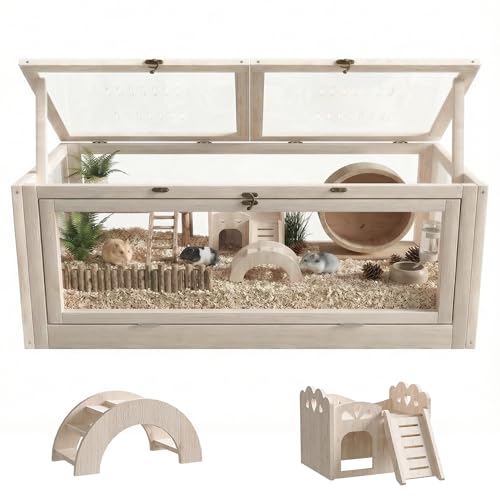
You walk over to check on your hamster in the morning, and there it is again: a trail of little pellets scattered inside the wheel, sometimes even stuck to the sides. It is frustrating, especially when you just cleaned everything the night before. The good news is that while you cannot fully train a hamster to stop pooping inside the wheel (it is a natural reflex for many), you can dramatically reduce how often it happens and make cleanup much easier. Here is what actually works, based on how hamsters think and behave.
Why Do Hamsters Poop in Their Wheel Anyway?
First, understand that this is not your hamster being messy or stubborn. Running on a wheel stimulates the digestive tract, especially in a small animal whose metabolism is incredibly fast. When your hamster starts sprinting, the jostling motion can trigger an almost instant bowel movement. It is the same reason horses often poop while trotting. It is a reflex, not a choice. Some hamsters also see the wheel as just another part of their territory. They run, they poop, and they keep going because survival instincts tell them to keep moving. Knowing this helps you stop blaming your pet and start working with their biology.
Choose a Wheel That Discourages Poop Build-Up
The design of your wheel matters a lot. Solid plastic wheels with a flat running surface tend to trap moisture and pellets, making the mess stick. A better option is a mesh or barred wheel, but those can be hard on tiny feet. The sweet spot is a solid wheel with a textured surface and no deep crevices. Many owners find that a larger, open-design wheel lets droppings fall through or get kicked out more easily. If you are shopping for a new one, check out our Hamster Wheels 2026: 5 Top Picks Reviewed for models that are easier to clean and less likely to hold onto messes. A wheel with a removable back or a simple axle makes daily wiping much faster.
Change the Cage Layout to Separate Poop from Play
Hamsters naturally choose a specific corner or area as their bathroom. If you watch closely, you might notice your hamster poops most in one part of the cage, often far from their sleeping nest. You can use this to your advantage. Move the wheel away from their food bowl and sleeping house. Place it on the opposite side of the cage from where they usually toilet. This does not stop the reflex, but it can reduce how much poop ends up on the wheel because the hamster may pause to go in their designated spot before hopping on. Adding more 5 Best Hamster Cage Accessories 2026: A Shortlist like a small litter tray with sand in the corner where they already go can also help. If they use the tray, less waste ends up everywhere else.
Clean the Wheel the Right Way (Without Encouraging More Pooping)
Here is the tricky part: if you clean the wheel with a strong-smelling cleaner, your hamster might feel the need to re-mark it with more poop and urine. Use only warm water and a mild, unscented soap. Rinse very well. Some owners wipe the wheel with a tiny bit of white vinegar, then rinse again, because the smell is neutral to humans but fades fast for hamsters. Do not use bleach or citrus oils. The key is to clean the wheel every single day, preferably at the same time. If you do it right before their active evening time, the wheel is fresh for their run. If you leave poop in the wheel, they will keep running through it, and the habit gets stronger. A quick daily wipe takes thirty seconds and saves you from scrubbing dried mess later.
A hamster can produce up to 100 droppings in a single night. That is a lot of pellets for one small wheel to handle. Daily cleaning is not just about hygiene, it also prevents bacteria from building up in the moist environment of a closed cage.
Add a Toilet Area Near the Wheel
Some hamsters can be gently nudged to use a specific spot. Place a small, shallow dish or a corner litter box filled with a different substrate, like reptile sand or a dust-free chinchilla sand, right next to the wheel. The idea is that when your hamster feels the urge to go while running, they might hop off for a second, use the sand, and then jump back on. It does not work for every hamster, but many will start using the sand because they prefer to dig and cover their waste. Just make sure the sand is safe and not dusty. Pair this with a cozy 5 Best Hamster Houses 2026: What to Buy Now placed far from the wheel, so their sleeping area stays clean and they have a clear separation between rest, play, and bathroom zones.
“A clean wheel is a happy wheel, but a happy hamster will still poop in it sometimes. That is just life with a tiny speed demon.”
When to Accept the Mess and Adjust Your Routine
Honestly, some hamsters never stop pooping in the wheel completely. If you have tried changing the wheel type, moving the cage layout, and cleaning daily, and your hamster still leaves a trail, it is time to accept that this is normal. Your job then becomes making cleanup as easy as possible. Keep a small brush or a dedicated cloth near the cage. Wipe the wheel every morning while your hamster sleeps. If the wheel has a solid back, take it off once a week for a deeper clean. You can also line the area under the wheel with a washable mat or a layer of paper bedding to catch kicked-out pellets. This makes your daily routine faster and keeps the cage smelling fresh. And if you are looking to add more enrichment that does not involve the wheel, consider 5 Top Hamster Tunnels for Every Budget & Enrichment to give your hamster other ways to burn energy that might not trigger the same pooping reflex.