When you call your dog’s name and they sprint straight to you, it feels like magic. But for many owners, that recall cue turns into a game of “maybe later” or “let me sniff this first.” A reliable recall isn’t just convenient, it can save your dog’s life. Whether you have a biddable breed or a stubborn one, the same core principles apply: make coming to you the most rewarding thing in your dog’s world, and never, ever ruin it with punishment. Let’s build a recall that works even when the squirrels are taunting.
Start Indoors with Zero Distractions
Before you can expect your dog to come back from a deer trail, you need to practice in a boring environment. Stand in your living room with a handful of soft, smelly treats. Say your dog’s name in a bright, happy voice and then say “Come!” as you take two steps backward. The moment your dog moves toward you, mark it with a “Yes!” or a clicker, and reward them at your feet. Repeat this ten times, then take a break. Do this twice a day for a few days. The goal is to build a reflex: hearing “Come” means a treat appears at your toes. This is especially important for independent breeds like the Australian Shepherd, who may prefer chasing a bird over checking in with you.
Add Mild Distractions Gradually
Once your dog is zipping to you in the kitchen, move to the backyard or a quiet hallway. Have a friend stand far away or bounce a tennis ball. Call your dog when they are looking at the distraction, not at you. If they come, give a jackpot of three treats in a row. If they don’t, you moved too fast. Go back to an easier step. For a high-energy breed like the Cane Corso, you might need to use a toy as the reward instead of food. The key is to set them up to succeed, not to test them. If your dog fails, it’s your fault for moving too fast, not theirs.
If your dog is slow to come, try tossing a treat behind them right after they arrive. This teaches them that coming to you doesn’t mean the fun ends. It means they get a treat, then get to run away again. This builds a dog that loves to check in, not one that dreads being caught.
Use a Long Line for Real-World Safety
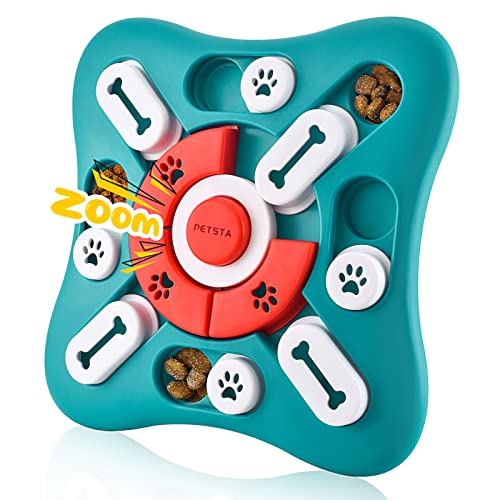
When you move to a park or a field, use a 15 to 30-foot long line. Let your dog wander, then call them in a cheerful voice. If they don’t come, gently reel them in like a fish. Do not yank or scold. When they reach you, reward them with a high-value treat and then release them to play again. This teaches them that coming to you doesn’t end the walk, it just earns a snack. Practice this dozens of times. For a breed that eats fast, like a Cane Corso, you might find that using a slow feed bowl at home helps them learn patience, which also helps with recall training because they learn to wait for good things.
Never Call Your Dog for Something They Hate
This is the golden rule. If you call your dog to come, you must never follow it with a bath, a nail trim, or ending a fun play session. If you need to do something unpleasant, go get your dog without using the recall cue. Use a different phrase like “Let’s go!” or just walk over and clip the leash. The word “Come” must always predict a party. If you break this rule, your dog will learn to stay just out of arm’s reach. This is especially true for sensitive, handler-focused dogs like the Australian Shepherd, who will remember one bad experience for a long time.
“The recall cue is a promise, not a threat. Every time you call your dog, you are either strengthening that promise or breaking it.”
Proof with the “Emergency Recall” Game
Once your dog is reliable on the long line, start playing the emergency recall game. Use a special word like “Crackers!” or “Pizza!” that you never use for anything else. Say it once, then run away from your dog while making excited noises. When they catch you, give them an extra special reward like boiled chicken or cheese. Practice this once a week. This gives you a backup cue for true emergencies, like when your dog slips the leash near a busy street. For a dog that is highly food-motivated, like many Cane Corsos, this special word can become a lifesaver.
Troubleshooting Common Recall Problems
If your dog comes halfway then stops, you are probably not rewarding at your feet. Make sure the treat appears only when they touch your hand. If your dog runs past you, try sitting down or kneeling when you call. If your dog is too distracted by smells, practice in a freshly mowed lawn or a parking lot. And if your dog has a history of being punished after coming, you may need to retrain from scratch using a completely new word. Be patient, it can take weeks to rebuild trust. For a dog that tends to inhale their food, using slow feed dog bowls can help them learn to focus on you during training sessions because they are not rushing through meals.
If your dog has a medical condition like hip dysplasia or arthritis, check with your vet before doing high-speed recall drills on hard surfaces. A happy recall should never cause pain. Always prioritize your dog’s physical comfort over training perfection.
Recall is not a trick you teach in a weekend. It is a relationship skill you build over months. Every time your dog chooses to come to you, they are telling you that you are more interesting than the world. That is worth celebrating with a treat, a game, or a belly rub. Keep practicing, keep it fun, and your dog will always come running.