Watching your bird struggle to breathe is scary. You notice tail bobbing, open-mouthed breathing, or a change in their voice, and your first instinct is to help them right away. While a respiratory infection always needs a veterinarian’s diagnosis and treatment, there are several safe, supportive things you can do at home to keep your bird comfortable and aid their recovery. This guide walks you through the immediate steps you can take, the signs to watch for, and how to create the best healing environment for your pet.
Recognizing the Signs of a Respiratory Issue
Before you can treat a problem, you need to confirm it’s a respiratory infection. Birds are masters at hiding illness, so subtle changes matter. Look for sneezing, nasal discharge (wet or dry crusts around the nostrils), wheezing, clicking sounds when breathing, a change in the pitch of their chirp or song, tail bobbing with each breath, or sitting fluffed up for long periods. You might also notice reduced appetite or lethargy. For specific species like mynahs, being aware of these symptoms is especially important, as they can be prone to respiratory issues. Our guide on Signs Of Illness In Mynah Birds goes deeper into what to look for. If you see any of these signs, call your avian vet immediately, but then start the supportive care below.
Do not give your bird any over-the-counter human medication, essential oils, or vapor rubs. These can be toxic and fatal to birds. Always consult your vet before giving any treatment.
Step 1: Create a Warm, Stress-Free Recovery Zone
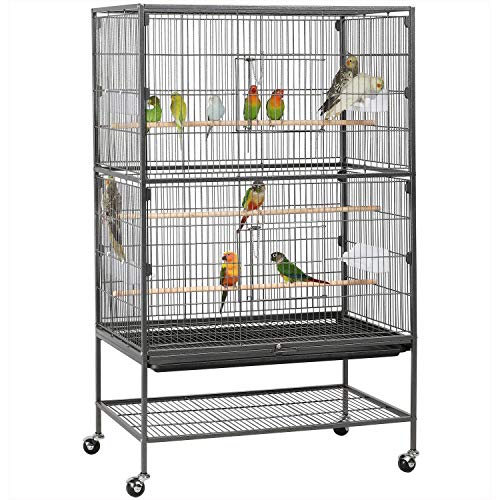
Your bird’s immune system works best when it is warm and calm. Move their cage to a quiet, draft-free room away from household traffic, loud noises, and other pets. Cover three sides of the cage with a light towel to create a cozy, den-like feel, but leave one side open so you can monitor them. If your home is cool, use a safe heat source. A reptile heating pad placed under one side of the cage (so they can move away if they get too warm) or a space heater placed a safe distance away works well. The goal is to keep the ambient temperature around 80-85°F (27-29°C) without overheating the bird. A stressed bird heals slower, so keeping things quiet is just as important as keeping them warm.
Step 2: Boost Humidity to Help Them Breathe
Dry air makes congestion worse. Increasing the humidity around your bird can loosen mucus and make breathing easier. The safest way to do this is to place a cool-mist humidifier near the cage, not pointing directly at the bird. Alternatively, you can bring your bird into the bathroom while you run a hot shower (with the bird safely in its cage, not in the steam directly) for 10-15 minutes a few times a day. The gentle, warm moisture helps open airways. Avoid using any scented additives or vapor drops. If your bird is a species that enjoys water, like a mynah, this can also be a gentle way to encourage preening and comfort. For more on their bathing habits, check out How To Bathe A Mynah Bird for species-specific tips.
Step 3: Adjust Their Diet for Easy Eating
A sick bird often loses its appetite because breathing takes so much energy. You need to make food as easy and appealing as possible. Offer soft, warm foods that are high in energy and moisture. Think hand-feeding formula (if appropriate for the species), warm mashed sweet potatoes, scrambled eggs (plain, no butter or oil), or soaked pellets. The warmth releases aromas that can stimulate their appetite. Make sure fresh, clean water is always available, and consider adding a shallow dish of warm water near the perch to encourage drinking. If your bird is a mynah, their diet is already quite varied, and you can learn more about the best options in What Do Mynah Birds Eat? to find soft, nutritious choices. Never force-feed a bird that is struggling to breathe, as this can cause aspiration.
“A warm, quiet room and soft, easy food are the two most powerful tools you have while waiting for the vet.”
Step 4: Keep the Cage and Air Clean
Respiratory infections are often worsened by environmental irritants. While your bird is sick, you must keep their cage spotless. Change cage liners daily to prevent ammonia buildup from droppings, which is a major respiratory irritant. Remove any leftover fresh food after a few hours. Avoid using any cleaning sprays, perfumes, candles, or air fresheners near the bird. Even cooking fumes from non-stick pans (PTFE/Teflon) can be deadly to a bird with a compromised respiratory system. Stick to simple, unscented cleaning with vinegar and water. A clean environment reduces the bacterial load your bird has to fight, giving their immune system a better chance.
When to Seek Veterinary Help Immediately
Home care is supportive, not curative. You must see an avian vet if your bird shows any of these emergency signs: open-mouthed breathing while at rest, a blue or purple tint to the skin or cere (the fleshy part above the beak), tail bobbing that is constant and heavy, or if the bird is too weak to perch and is sitting on the cage floor. Bacterial, fungal, and viral infections often require prescription medications like antibiotics or antifungals. Do not wait for these signs to appear. If your bird has been sick for more than 24 hours with no improvement, call your vet. Remember that birds hide illness until they are very sick, so acting early saves lives. For more on general health monitoring, especially for mynahs, our guide on Are Mynah Birds Good Pets? includes important health considerations for potential owners.
Keep a log of your bird’s symptoms, including when they started, how often they cough or sneeze, and what they are eating. This information is extremely helpful for your vet and can speed up the diagnosis.
Prevention for the Future
Once your bird recovers, take steps to prevent future infections. Ensure their cage is in a draft-free area with good ventilation but no direct air conditioning or heater blasts. Feed a balanced diet to support a strong immune system. Quarantine any new birds for at least 30 days before introducing them, as many respiratory illnesses are highly contagious. Regular cage cleaning and avoiding aerosolized chemicals are your best long-term defenses. A healthy bird with a strong immune system is much less likely to develop a serious respiratory infection.