If you’ve ever been on the receiving end of a dramatic yowl or a quick paw swipe, you know that trimming cat claws can feel like a high stakes mission. But here’s the truth: with the right approach, you can make nail trims a calm, routine part of your cat’s care. And it’s worth it, because regular trims protect your skin, your sofa, and your cat’s own paws from snags and overgrowth. Let’s walk through the entire process, step by step, so you both come out feeling good.
Why Bother Trimming at All?
Cats in the wild wear their claws down naturally through climbing and scratching on rough surfaces. Indoor cats, however, often don’t get that same wear. Overgrown claws can curl into the paw pad, causing pain and infection. They can also get caught in carpet or fabric, leading to torn nails. Regular trimming keeps those little daggers at a safe length and prevents accidental scratches when your cat kneads on your lap. Plus, it’s a great way to bond, if you can make it a positive experience.
Gather the Right Tools
You don’t need a fancy kit, just a few essentials. A good pair of cat nail clippers, either scissor style or guillotine style, is a must. Human nail clippers can crush the claw, so avoid those. You’ll also want some styptic powder or cornstarch on hand in case you nick the quick, and a towel to wrap your cat if they get wiggly. Having treats ready is non negotiable, because positive reinforcement is your best friend. If your cat is especially anxious, consider using a calming pheromone spray on their bedding beforehand. And if your cat has allergies that make them extra sensitive to handling, you might want to check out our guide on how often to bathe a cat with allergies, since that can affect their skin and paw sensitivity.
Get Your Cat Comfortable With Paw Handling
Before you ever pick up the clippers, spend a few days just touching your cat’s paws. Gently press on each toe to extend the claw, then give a treat and praise. Do this during quiet moments, like when they’re drowsy on your lap. The goal is to associate paw handling with good things. If your cat pulls away, don’t force it. Just go back to stroking their head and try again later. This desensitization phase is the secret to a stress free trim. Remember, cats are creatures of habit, so a calm routine works wonders.
The Step by Step Trim
Once your cat is relaxed with paw handling, it’s time to actually trim. Here’s a simple process that works for most cats:
- Choose a quiet time when your cat is sleepy, like after a meal or a play session.
- Sit on the floor or a low chair, and place your cat on your lap facing away from you. If they resist, wrap them gently in a towel with one paw exposed.
- Hold the paw firmly but gently, and press on the toe pad to extend the claw. You’ll see the pink quick inside the nail. Only trim the white tip, staying well away from the quick.
- Make a clean, quick cut at a slight angle, avoiding the quick. If you’re unsure, trim less rather than more.
- Give a treat immediately after each claw, even if you only manage one or two. That’s a win.
- If you accidentally cut the quick, apply styptic powder or cornstarch to stop the bleeding, and reassure your cat. It happens to everyone, so don’t panic.
If your cat gets too stressed, stop and try again later. Never scold or chase them, that will only make future trims harder. Some cats do better with one paw per session, and that’s perfectly fine.
Dealing With the Wiggly or Aggressive Cat
Some cats absolutely hate nail trims, and that’s okay. You can still get it done with a few tricks. First, try the towel wrap method, often called the purrito. Wrap your cat snugly in a towel, leaving one paw out at a time. This keeps them secure and prevents scratching. Another option is to have a second person help, one to hold and soothe, the other to trim. If your cat is extremely aggressive, you might need to use a muzzle or a cone, but that’s rare. For cats that are just anxious, try trimming after they’ve had a good play session to burn off energy. And if your cat has health issues that make handling painful, like allergies that cause skin irritation, consult your vet for advice. They may recommend a sedative or a professional groomer. You can also learn more about how hypoallergenic cats interact with children, which might give you insight into your cat’s temperament.
Did you know that a cat’s claws are retractable, and they only extend when needed? That’s why you can’t see them at rest. Regular trims help keep those hidden daggers from becoming a hazard.
What About Scratching Posts and Alternatives?
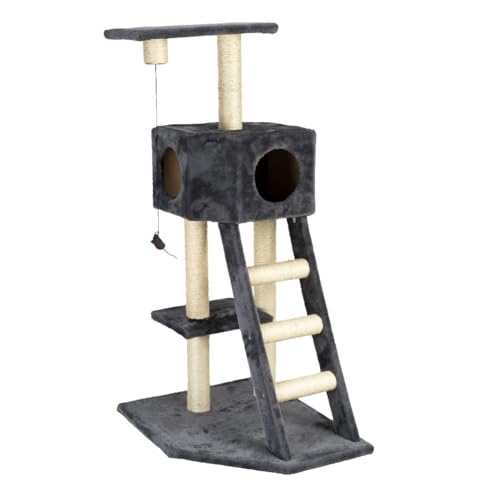
Trimming is only one part of claw care. Scratching is a natural behavior that helps cats shed the outer layers of their claws and stretch their muscles. So, even with regular trims, your cat will still want to scratch. Provide a sturdy scratching post or pad and place it near their favorite napping spot. You can also use soft nail caps, which are glued over the claws and prevent damage. These are great for cats who scratch furniture despite training. Just remember to replace them every few weeks as the nails grow. And if your cat is prone to hairballs from all that grooming, you might want to check out our guide on how often to brush a cat prone to hairballs, since regular brushing can reduce shedding and the urge to scratch.
When to See a Professional
If you’ve tried everything and your cat still fights the clippers, don’t feel like a failure. Many cat owners take their pets to a groomer or vet for nail trims. It’s a quick procedure that usually costs a small fee, and it can save you a lot of stress. Your vet can also show you the proper technique if you’re nervous about cutting the quick. If your cat has any medical conditions, like arthritis or skin allergies, ask your vet for specific advice. They might recommend a different trimming schedule or a special tool. And if you’re dealing with allergies that cause your cat to lick their paws excessively, that can affect claw health, so it’s worth discussing with your vet. For more on that, see our article on signs of food allergies in cats, because paw licking is a common symptom.
“The goal isn’t perfection, it’s progress. Even one claw trimmed is a step toward a calmer routine.”
Building a Routine That Works
The best time to trim is when your cat is relaxed, so try to make it a regular part of your week. For most cats, every 2 to 4 weeks is enough. You’ll know it’s time when you hear clicking on hard floors or see the claws snag on fabric. Keep the sessions short and positive, and always end with a treat and some play. Over time, your cat will learn that nail trims aren’t so bad. And if you have a kitten, start early so they grow up used to it. With patience and consistency, you’ll become a pro at keeping those claws in check.
Remember, every cat is different, so don’t compare your experience to others. Some cats will sit still for a full trim, others need breaks. The key is to stay calm and be kind to yourself and your cat. If you ever feel overwhelmed, your vet is just a phone call away. And for more tips on keeping your cat healthy and happy, explore our other guides, like life expectancy of a cat with allergies, which covers long term care for cats with sensitivities. Happy trimming!