When your cat has a stuffy nose, you can hear it in every breath. That congested, snuffly sound is hard to miss, and it is just as uncomfortable for them as it is for you. A blocked nose can make it hard for your cat to smell their food, which often leads to a loss of appetite. Before you panic, know that many mild cases of nasal congestion can be managed at home with gentle, safe methods. Here is how to unclog a cat nose at home, step by step.
1. Use Steam to Loosen Mucus
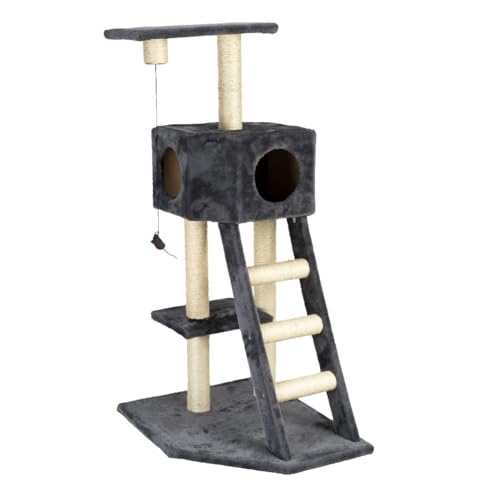
Steam is one of the most effective ways to break up congestion in a cat’s nasal passages. The moisture helps thin the mucus so it can drain more easily. Do not hold your cat over a boiling pot of water. Instead, run a hot shower in your bathroom, close the door, and sit with your cat in the steamy room for 10 to 15 minutes. Bring a towel and a favorite toy or a comfortable spot from a Top 5 Cat Trees to help them relax. If your cat is too stressed, try placing a warm, damp washcloth near their sleeping area instead. Repeat this two to three times a day.
2. Gently Clean the Nose Area
Sometimes the blockage is just dried mucus around the nostrils. Use a soft, damp cloth or a cotton ball soaked in warm water to gently wipe away any crusty discharge. Work from the nose outward, and never push anything into the nostril. If your cat has long fur around the face, you might need to trim it carefully so it does not trap debris. A clean nose helps your cat breathe easier and reduces the chance of skin irritation. After cleaning, offer your cat some fresh water from a Top 5 Cat Water Fountains, as the running water often encourages more drinking, which helps keep mucus thin.
3. Try Saline Drops (With Your Vet’s OK)
Plain, preservative-free saline nasal drops designed for infants can be used on cats, but only after checking with your veterinarian. Place one drop at the opening of each nostril, then gently massage the bridge of the nose. The saline helps moisten dry nasal passages and can loosen stubborn mucus. Do not use any medicated sprays or drops meant for humans, as ingredients like decongestants can be toxic to cats. If your cat resists, do not force it. A single drop is enough, and you can follow up with a steam session for added relief.
If your cat stops eating because they cannot smell their food, try warming the food slightly in the microwave for a few seconds. The stronger aroma can tempt them to eat, which is critical for maintaining energy during illness.
4. Keep the Environment Clean and Humid
Dry air makes congestion worse. A cool-mist humidifier in the room where your cat spends most of their time can make a big difference. Clean the humidifier regularly to prevent mold and bacteria growth. Also, keep your cat’s bedding and favorite resting spots free of dust and dander. Regular grooming with a 7 Best Cat Deshedding Brushes, Tested on Real Felines can reduce airborne allergens that might contribute to nasal irritation. A clean, humid environment supports faster recovery and prevents secondary issues.
5. Support Their Appetite and Hydration
A cat with a stuffy nose often loses interest in food because they cannot smell it. Offer strong-smelling wet food, such as fish-based or pate-style options, and warm it slightly to boost the aroma. You can also add a little warm water or low-sodium chicken broth to the food to make it more appealing. Hydration is just as important. If your cat is not drinking enough, consider offering them a Top 5 Cat Water Fountains, as many cats prefer moving water. Dehydration thickens mucus, so encourage small, frequent sips. If your cat refuses food or water for more than 24 hours, contact your vet.
“A cat that cannot smell is a cat that cannot eat, and a cat that cannot eat is a cat that needs your help.”
6. When to Call the Vet
Home remedies work well for mild, short-term congestion caused by a simple cold or allergies. However, you should call your veterinarian if your cat has a fever, colored discharge (yellow or green), open-mouth breathing, lethargy, or if the congestion lasts more than three days. Kittens, senior cats, and cats with pre-existing health conditions are more vulnerable and should see a vet sooner. Never use essential oils, vapor rubs, or human medications around your cat. These can cause serious respiratory distress or poisoning. Your vet can prescribe safe treatments if needed, such as antibiotics for a bacterial infection or antiviral medication for feline herpesvirus.
Never use cotton swabs or tweezers to remove anything from your cat’s nose. You can push debris further in or damage the delicate nasal tissues. Always use gentle, external methods.