If you have a reptile, you know that keeping the right temperature is not optional, it is essential. Maybe you are tired of bright bulbs heating your tank during the day, or perhaps you need a night-time heat source that will not disturb your pet’s sleep. A ceramic heater, often called a ceramic heat emitter (CHE), is a popular choice. But is it actually safe? The short answer is yes, ceramic heaters are safe for reptile tanks when you use them correctly. They screw into a standard ceramic socket, produce no light, and can run for years. However, they get extremely hot, so you need to know the safety rules before you set one up. Let’s walk through everything you need to keep your scaly friend warm without any worry.
How a Ceramic Heater Works and Why It Is Different
A ceramic heat emitter is a coiled wire encased in a tough ceramic shell. It screws into a porcelain or ceramic lamp fixture, not a plastic one, because it gets hot enough to melt plastic. Unlike a heat lamp that also produces light, a CHE produces only infrared heat. That makes it perfect for nocturnal reptiles like leopard geckos, crested geckos, or corn snakes that need warmth at night without a bright glow. It also works well as a primary heat source for species that do not need UVB, but for those that do, you will still need a separate reptile UVB light during the day. The key is that the CHE itself is safe, but the setup around it determines how safe it really is.
Essential Safety Gear: Fixture, Thermostat, and Guard
You cannot just screw a ceramic heater into any lamp and walk away. The fixture must be rated for high wattage, usually 150W or more, and must have a ceramic socket. A cheap plastic clamp lamp from the hardware store is a fire hazard. You also need a thermostat, not just a thermometer. A thermostat will turn the heater on and off to keep the temperature steady, which prevents overheating and reduces fire risk. Finally, a wire mesh guard is a must if your reptile can climb or reach the heater. Many owners have seen a curious gecko burn its foot on an exposed CHE. A simple guard costs a few dollars and prevents a serious injury. If you are looking for a complete setup, a large reptile heat lamp with a built-in guard and ceramic socket is a safer bet than assembling parts yourself.
Placement and Wattage: Where to Put It and How Big
Place the ceramic heater above the tank, not inside it, unless you have a very tall enclosure and can mount it safely out of reach. If you must place it inside, use a heavy-duty clamp and a guard, and secure it so it cannot fall into the substrate. For wattage, start with a lower wattage, like 50W for a small tank, and adjust based on your room temperature. A 100W or 150W is common for larger tanks, but always use a thermostat to fine-tune. The heater should be on one side of the tank to create a temperature gradient, so your reptile can move to a cooler area if needed. Never place it directly over a water bowl, as the heat can cause excessive evaporation and raise humidity in the wrong way. For a smaller enclosure, a small reptile heat lamp under 100 might be easier to control, but the same safety rules apply.
Common Mistakes That Make a Ceramic Heater Unsafe
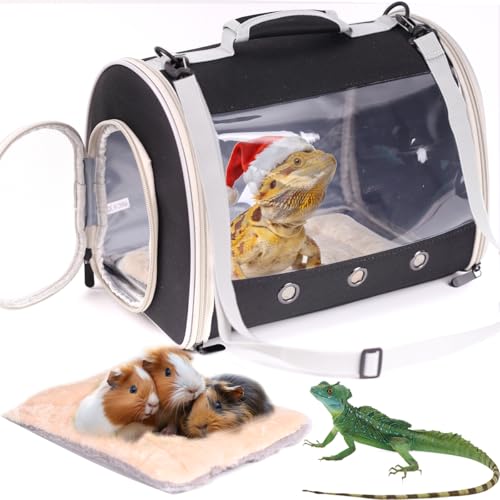
Most accidents happen because of a few common errors. First, using a plastic or non-ceramic socket, which can melt and cause a short circuit. Second, skipping the thermostat, so the heater runs at full power all the time, cooking your reptile or starting a fire. Third, placing the heater too close to the substrate or decorations, which can ignite or melt them. Fourth, using a CHE without a guard in a tank with an arboreal reptile that loves to climb. Fifth, ignoring the manufacturer’s instructions on minimum distance from the tank top. Always read the manual that comes with your heater. And if you are using a CHE for a temporary setup, like when you take your reptile to the vet, make sure you have a reptile carrier with a safe heat source, never a loose CHE inside a cardboard box.
Night-Time Use and Light Cycles
One of the biggest advantages of a ceramic heater is that it does not emit light, so it will not disrupt your reptile’s day-night cycle. Many reptiles need a distinct period of darkness to sleep and regulate their hormones. Using a CHE at night is safe and effective, but you must still monitor the temperature. A thermostat with a separate night temperature setting is ideal. For example, a leopard gecko needs a warm side of about 88°F during the day, but can drop to 75°F at night. A CHE with a thermostat can maintain that drop without turning your tank into a disco. If you also need a daytime heat source, you can use a regular heat lamp, but remember that a CHE can serve as the primary heat source 24/7 if you set the thermostat correctly. Just make sure the wattage is appropriate for your tank size, and always use a fixture that is rated for continuous use.
Ceramic heat emitters are extremely durable. Many last for 5 to 10 years if you handle them gently and do not drop them. They do not burn out like bulbs, so they are a cost-effective heating solution in the long run.
Signs Your Ceramic Heater Is Failing or Unsafe
Even a good ceramic heater can fail. Watch for these warning signs: the heater takes longer to heat up, the surface looks cracked or discolored, the fixture feels unusually hot to the touch, or you smell a burning odor. If you notice any of these, turn off the heater immediately and replace it. A cracked ceramic heater can shatter and cause a fire. Also, check the connections regularly, especially if you have pets that might knock the fixture. If you are unsure about the safety of your current setup, consult a reptile vet or an experienced keeper. And remember, while a CHE is safe, it is not the only option. Some owners prefer a radiant heat panel or a deep heat projector, but those are more expensive. For most reptiles, a well-installed ceramic heater is a reliable and safe choice.
“A ceramic heater is only as safe as the fixture it sits in and the thermostat that controls it. Respect the heat, and it will serve you for years.”
Before you buy, always check the wattage and size of your tank. If you have a very large enclosure, you might need two ceramic heaters on separate thermostats to maintain an even temperature. And if you are setting up a new tank, consider the substrate and how it interacts with heat. Some substrates, like sand, can get very hot if placed too close to the heater. If you use sand, make sure it is a type that does not hold excessive heat, and always monitor the surface temperature. You can also check out our guide on best terrarium sand to choose a safe option. In the end, safety comes down to using the right equipment and checking it regularly. If you have any doubts, ask your vet to review your setup during your next check-up. Your reptile will thank you with healthy basking and restful nights.