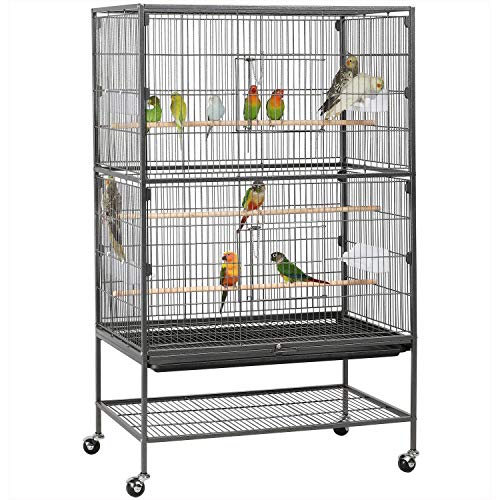
You might have heard that aloe vera is a miracle plant for humans, great for sunburns and skin irritation. But when it comes to your parakeet, cockatiel, or even a larger bird like a mynah bird, the story is completely different. Many bird owners assume that because aloe is natural, it must be safe. The truth is that aloe vera contains compounds that are toxic to birds, and even a small nibble can lead to serious health problems. Let’s break down exactly why this plant is dangerous, what to watch for, and what you can use instead.
Why Aloe Vera Is Toxic to Birds
Aloe vera leaves contain a yellowish latex layer just under the skin that is rich in saponins and anthraquinones, particularly aloin. These compounds act as natural deterrents for insects and animals, but in birds, they can cause severe gastrointestinal irritation. When a bird ingests aloe, the saponins break down cell membranes in the digestive tract, leading to vomiting, diarrhea, and dehydration. The anthraquinones are laxative-like and can cause cramping and electrolyte imbalances. Even the clear gel inside the leaf, which is often marketed as safe for humans, is not risk-free for birds because it can still contain trace amounts of these toxins. It’s simply not worth the gamble.
Never apply aloe vera gel to your bird’s skin or feathers, even externally. Birds preen constantly, and any residue will be ingested. Stick to bird-safe products recommended by your avian vet.
Signs of Aloe Vera Poisoning in Parakeets and Other Birds
If your bird has nibbled on an aloe leaf, symptoms usually appear within a few hours. Watch for these common signs of toxicity:
- Digestive upset: Vomiting, regurgitation, or watery, greenish droppings.
- Lethargy: Your bird may sit fluffed up at the bottom of the cage, unwilling to move or play.
- Loss of appetite: Refusing seeds, pellets, or favorite treats like millet.
- Excessive thirst or drooling: The irritation can cause increased salivation or drinking.
- Tremors or weakness: In more severe cases, muscle twitching or trouble perching.
These symptoms can mimic other illnesses, so if you see them, check your bird’s environment for any aloe plants. For a broader overview of health red flags, you can refer to our guide on signs of illness in mynah birds, which applies to many species.
What to Do If Your Bird Eats Aloe Vera
If you catch your bird taking a bite of aloe, act quickly. First, remove the plant and any remaining pieces from the cage. Do not try to induce vomiting or give any home remedies, as this can cause more harm. Offer fresh water and encourage your bird to drink. Then, call your avian veterinarian immediately. They may ask you to monitor for symptoms or bring your bird in for supportive care like fluids or activated charcoal. Time is critical, so don’t wait for symptoms to appear. Even if your bird seems fine, a vet check is the safest route.
Safe Alternatives to Aloe Vera for Bird Care
You might be looking for a plant to help with minor skin irritation or to add greenery to your bird’s space. Fortunately, there are safe options. For skin issues like dry patches or minor cuts, use plain, unscented coconut oil (a tiny dab) or a vet-recommended bird-safe balm. If you want live plants in your bird room, consider spider plants, Boston ferns, or African violets, all of which are non-toxic. Avoid any plant with a milky sap or latex, as those are usually the dangerous ones. And if you’re thinking about using aloe in a homemade bird toy or foraging item, skip it entirely and use untreated wood, paper, or safe vegetables instead.
“A bird’s tiny body processes toxins much faster than ours, so what is harmless to us can be deadly to them. When in doubt, leave it out.”
How to Bird-Proof Your Home from Toxic Plants
Parakeets are curious and love to explore with their beaks. Even if you think a plant is out of reach, a flying bird can land on a shelf or counter and take a sample. The best approach is to remove all aloe vera plants from areas your bird accesses, including rooms where they fly freely. Also be cautious of aloe-based products like lotions, soaps, or shampoos that you might use on your own hands before handling your bird. Wash your hands thoroughly after applying any aloe product. For more tips on creating a safe environment, check out our guide on understanding mynah bird cage size requirements, which covers safe placement and hazards to avoid.
What About Aloe in Bird Food or Supplements?
Some commercial bird supplements or treats claim to contain aloe vera for digestive health. This is controversial and generally not recommended by avian vets. The processing methods used to remove toxins are not always reliable, and the risk outweighs any potential benefit. Stick to a balanced diet of high-quality pellets, fresh vegetables, and occasional fruits. For a detailed list of safe foods, see our article on what do mynah birds eat, which is a great reference for parakeets too. Always double-check ingredient labels and consult your vet before introducing any new supplement.
Aloe vera is actually a member of the lily family (Asphodelaceae), which includes other plants toxic to birds like tulips and hyacinths. Keep all lilies away from your feathered friends.
Your bird depends on you to keep their environment safe. Aloe vera may be a staple in your medicine cabinet, but it has no place in your bird’s cage or play area. By knowing the risks, recognizing symptoms, and choosing bird-safe alternatives, you can prevent a scary trip to the vet and keep your parakeet happy and healthy for years to come.