You might have an aloe vera plant on your windowsill for burns or a soothing gel in your bathroom cabinet. But if you share your home with a cat, that same plant can turn into a serious hazard. Cats are curious, and they often nibble on houseplants. So, is aloe vera toxic to cats? The short answer is yes, and here is everything you need to know to protect your cat without giving up your favorite succulent.
Why Aloe Vera Is Dangerous for Cats
Aloe vera contains two compounds that are toxic to felines: saponins and anthraquinones (specifically aloin). Saponins act like natural detergents and can irritate your cat’s gastrointestinal tract. Anthraquinones are laxatives that can cause severe diarrhea and dehydration. Unlike some plants where only the leaves or flowers are toxic, the entire aloe vera plant poses a risk, including the clear gel that humans use topically. Even a small nibble can trigger a reaction, especially in smaller cats or kittens.
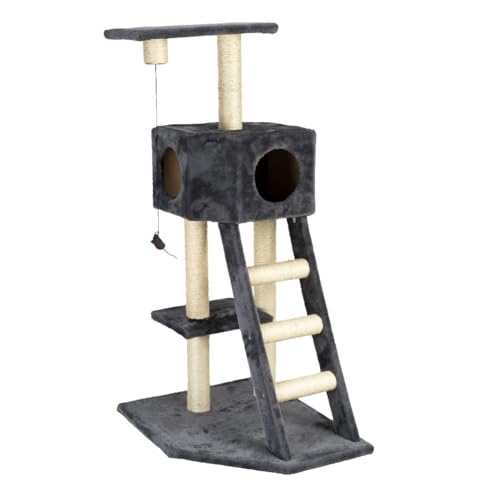
If your cat has a habit of exploring plants, consider redirecting that energy toward something safer. A sturdy Best Cat Scratching Barrels and Posts for Happy Cats can keep them entertained and away from your greenery.
Symptoms of Aloe Vera Poisoning in Cats
If your cat has ingested any part of an aloe plant, symptoms usually appear within a few hours. Watch for:
- Vomiting (sometimes with plant material)
- Diarrhea (which may be watery or contain blood)
- Lethargy or unusual tiredness
- Loss of appetite
- Drooling or pawing at the mouth
- Tremors or changes in urine color (reddish or dark)
Severe cases can lead to dehydration, electrolyte imbalances, or even liver issues. If you notice any of these signs, contact your veterinarian immediately. Do not wait for symptoms to worsen.
Never induce vomiting in your cat unless your vet specifically tells you to. Some toxins can cause more damage on the way back up. Always keep your vet’s emergency number handy.
What to Do If Your Cat Eats Aloe Vera
First, stay calm. Remove your cat from the plant and check how much was eaten. If you can, take a photo of the plant or save a sample. Call your veterinarian or a pet poison helpline (like the ASPCA Animal Poison Control Center). Be ready to tell them your cat’s weight, the amount ingested, and when it happened.
Treatment may include activated charcoal to absorb toxins, IV fluids for dehydration, or anti-nausea medication. Most cats recover fully with prompt care, but time matters. While you wait for help, keep your cat comfortable in a quiet space. A cozy spot like a Best Cat Backpack Carriers with Bubble Window might be useful for a stress-free vet visit, but for now, focus on monitoring symptoms.
“A nibble of aloe is not a death sentence, but it is a clear signal to move that plant out of reach.”
How to Keep Your Cat Safe Around Aloe Vera
The simplest solution is to remove aloe vera from areas your cat can access. Place it on a high shelf, in a hanging planter, or in a room your cat cannot enter. But cats are agile climbers, so even a tall bookshelf might not be enough. Consider switching to cat-safe plants like spider plants, Boston ferns, or cat grass. You can also use bitter apple spray on the leaves as a deterrent, though it is not foolproof.
If your cat is prone to chewing on plants out of boredom, enriching their environment can help. A Top 5 Cat Scratching Posts or interactive toys can redirect their curiosity. And if your cat tends to get anxious, a Calm Any Cat: Best Calming Diffuser Kits for Every Budget might reduce the urge to chew on things they should not.
Are Aloe Vera Products (Gels, Juices, Supplements) Safe for Cats?
Commercial aloe vera gels, juices, and supplements are often processed to remove the laxative compounds (aloin), but they are not risk-free. Even “decorticated” aloe (where the latex layer is removed) can still contain trace amounts of saponins. Ingesting a large amount of aloe gel can cause digestive upset. Topical use on your own skin is generally fine, but if you apply it and your cat licks the area, they might ingest enough to feel sick. Always wash your hands after applying aloe products, and keep bottles securely closed.
If you are looking for safe treats to reward your cat, consider Expert Picks: Best Freeze-Dried Turkey Cat Treats instead of any plant-based supplements.
Cat-Safe Alternatives to Aloe Vera Plants
If you love the look of succulents, there are plenty of non-toxic options. Haworthia (zebra cactus) and echeveria are safe and similar in appearance. Catnip, cat thyme, and valerian are also great choices that your cat might actually enjoy. For a pop of green, try a parlor palm or a friendship plant. Always double-check with the ASPCA’s toxic plant list before bringing a new plant home. And if you want to treat your cat to something special, a new Need the Best Elevated Ceramic Cat Bowl? Try Necoichi can make mealtime more comfortable and reduce mess.
Remember, your cat’s safety comes first. Aloe vera is beautiful, but it is not worth the risk. With a few simple swaps and precautions, you can have a green home and a healthy cat.